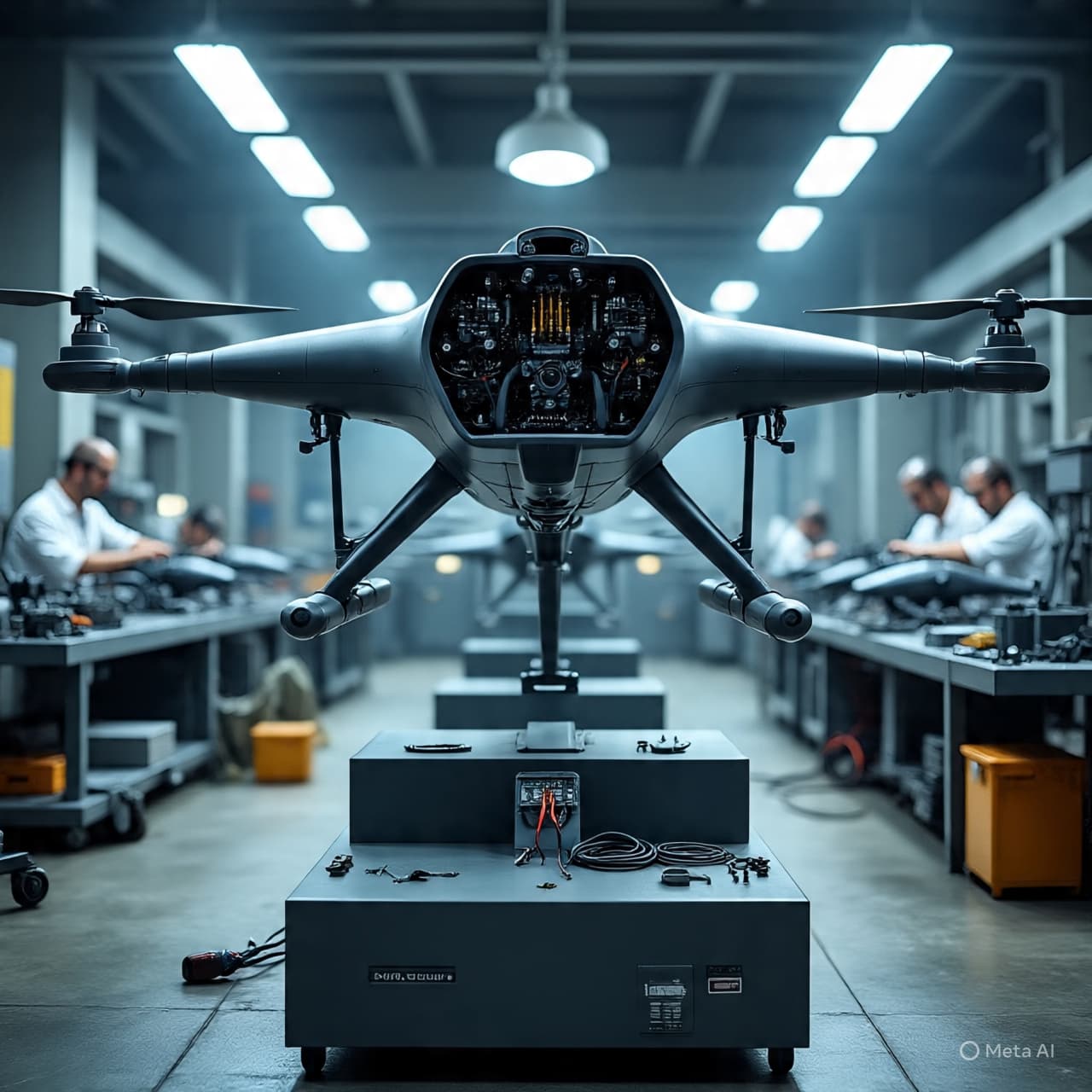
In the quiet hum of a workshop, where circuits and wings meet under the careful gaze of engineers, the promise of flight takes shape not just as metal and software, but as an echo of human imagination. It is here, in the space between idea and reality, that hopes are woven into machines. For many working at Helsing, the German defense technology firm that has captured attention with its AI-enabled strike drones, that process has been both exhilarating and tumultuous, especially as the company stands at a crossroads of public scrutiny and technical demand.
Over recent weeks, reports have circulated suggesting that the HX-2 drones, envisioned as a cutting-edge answer to modern battlefield needs, encountered issues during frontline testing in Ukraine. These accounts, drawn from military presentations and defense reviews, said that some HX-2 systems faced challenges with takeoff reliability and that key artificial intelligence components might not have been present in deployed units, leading to concerns about operational readiness. In such moments, the complex relationship between innovation and expectation becomes more than technical—it becomes human, inviting patience and inquiry as much as analysis.
For any new technology, and especially one meant to operate in the uncertain environment of active conflict, refinement is part of its journey. According to Bloomberg-cited sources, frontline tests revealed that communication with operators could be disrupted in conditions of electronic warfare and that fewer drones than expected completed stable takeoffs. These observations have led Ukraine and partner governments to pause additional orders for the HX-2 until performance confidence grows.
Yet, from the calm corridors of its own press room, Helsing has offered a softer counter-narrative—one that reflects faith in its work and in the iterative nature of innovation. In a statement, the company noted that multiple Ukrainian Army units have shown concrete interest in the HX-2 and that successful frontline operations have been documented. It described hit rates in documented tests as near or at 100 percent and emphasized ongoing deliveries and integration into official ordering systems, even while acknowledging that not every report aligns with its own records.
This interplay between external critique and measured reassurance underscores a very human truth about emerging technologies: they live between challenge and promise, shaped by trial, revision, and the resilient belief that refinement leads closer to reliability. For engineers and commanders alike, each test—successful or flawed is a step in understanding what works and what needs further attention.
The broader context of this story is not solely a matter of technical critique or corporate defense. It speaks to how societies approach innovation under pressure, how expectations of immediacy meet the slow art of improvement, and how dialogue between creators and users can become part of the process itself. In quiet moments, the work continues not always in full view, but with the steady beat of engineering and evaluation that underlies so much of technological progress.
In straightforward reporting terms, Ukraine has paused plans to place new orders for the HX-2 strike drones from German defense tech firm Helsing after challenges were noted during frontline evaluations, and discussions about performance continue. Helsing has disputed some claims of failure and highlighted documented interest from multiple Ukrainian units and ongoing deliveries, emphasizing that it remains engaged in development and deployment
AI Image Disclaimer
“Visuals are created with AI tools and are not real photographs.”
---
Sources (Media Names Only)
n-tv.de
Bloomberg (reported by European Pravda)
Aero News Journal
EuroIntegration / European Pravda
Kyiv Post
Published by Banx Network. This article is part of the Banx decentralized media programme, powered by the BXE token on the XRP Ledger.