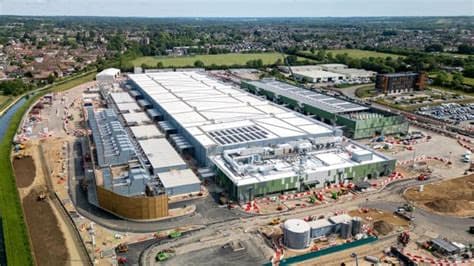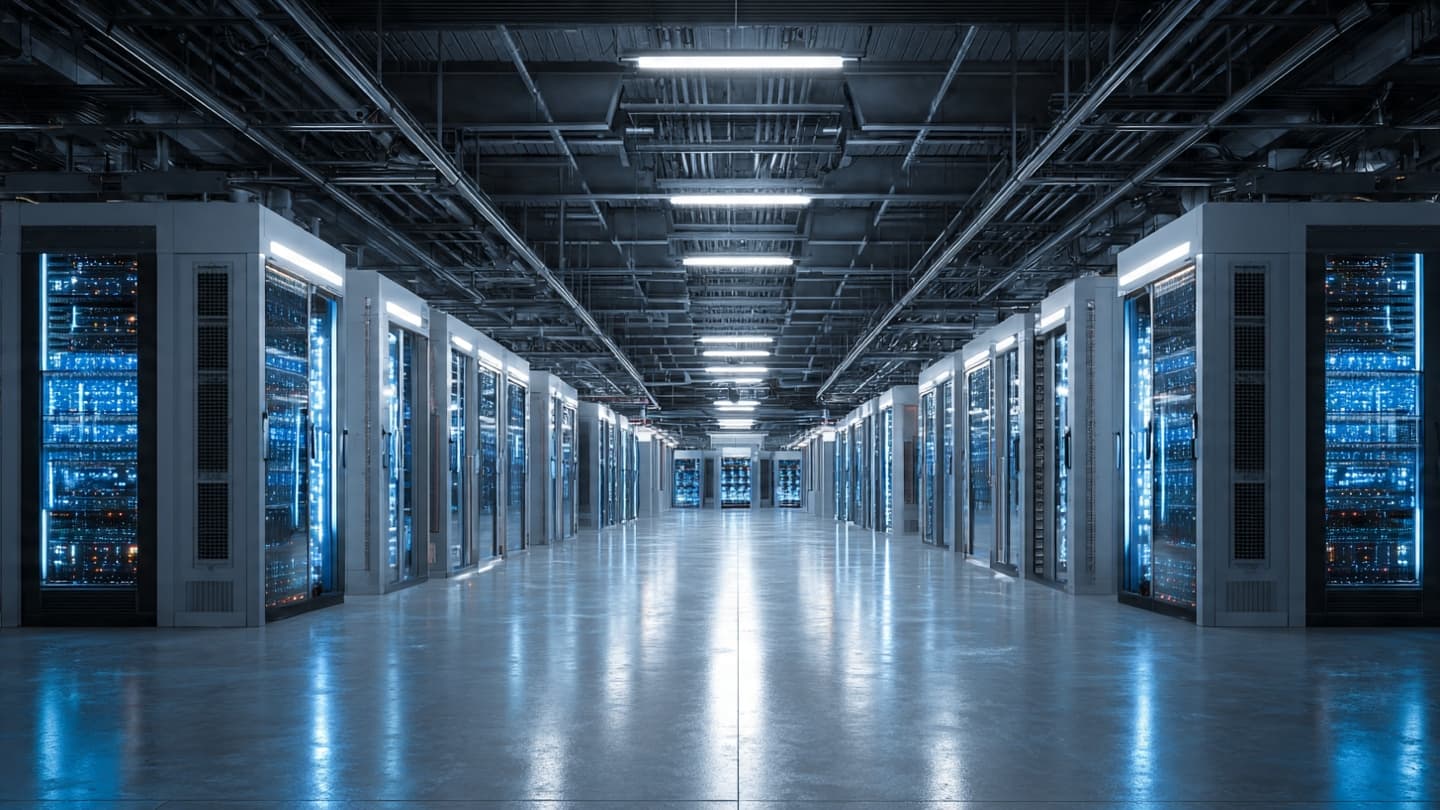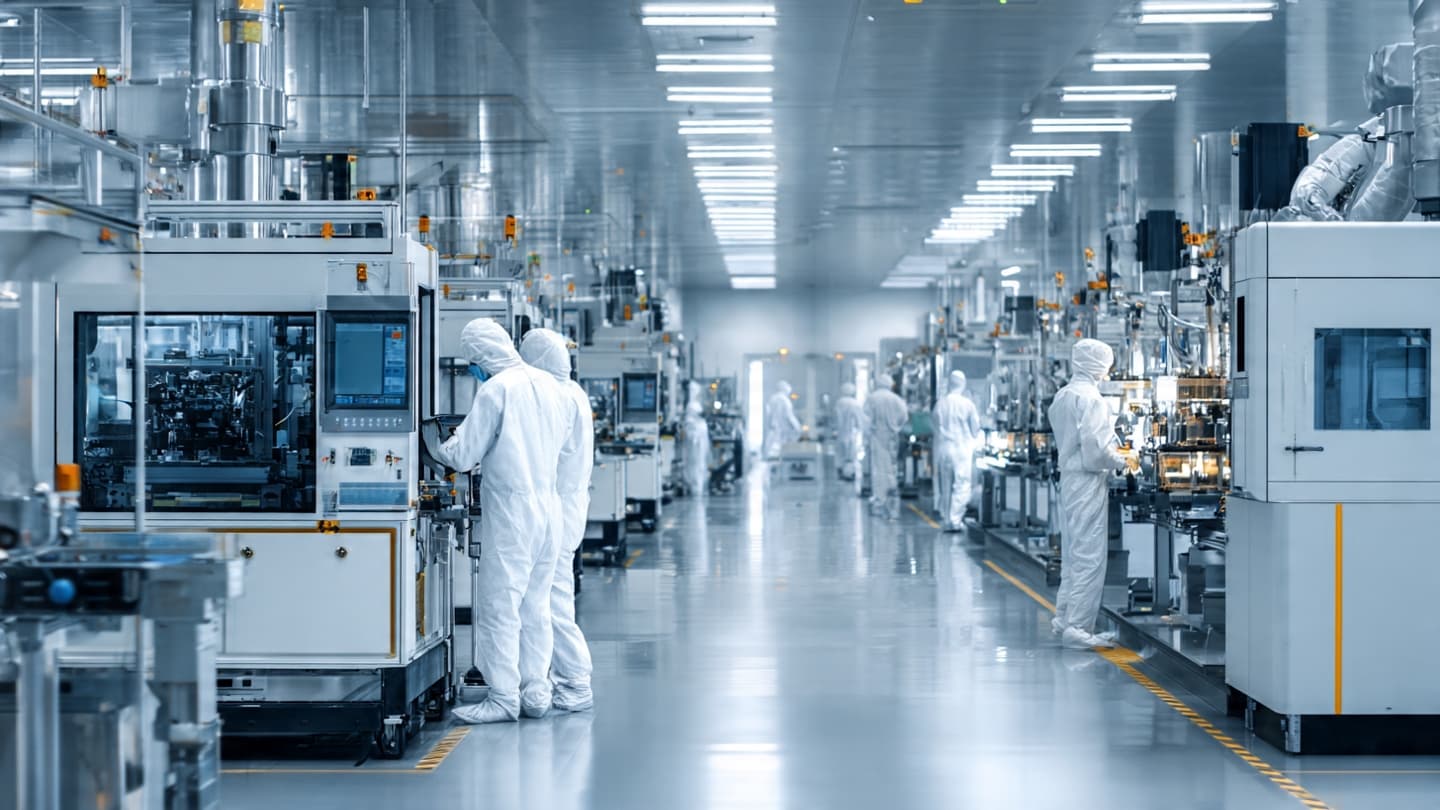
Across Asia, factory lights have been burning a little brighter as August gives way to September. Behind the walls of semiconductor plants and electronics factories, a powerful new source of demand has been moving through supply chains: the expanding need for artificial intelligence hardware.
Private manufacturing surveys showed stronger activity in several Asian economies during August, particularly those closely connected to exports of semiconductors, computers, and other AI-related equipment. Reuters reported that China and Japan were among the economies benefiting from this growing international demand.
China's S&P Global General Manufacturing PMI rose to 51.5, moving above the 50-point threshold that separates expansion from contraction. The result suggested that factory activity was improving even as China's broader economy continued to face uneven domestic conditions.
Japan's manufacturing PMI climbed even more strongly, reaching 54.9. The figure represented the fastest pace of new business growth since 2018, according to the Reuters report, with demand for AI-related products helping Japanese manufacturers gain momentum.
The effect of AI is increasingly visible beyond the companies that build software. Advanced artificial intelligence systems require enormous quantities of computing equipment, including processors, memory, networking hardware, and power infrastructure. That demand eventually reaches factories producing the physical components.
Japan occupies an important position within this supply chain because its companies manufacture semiconductor equipment, electronic components, precision machinery, and materials used by chipmakers. Stronger demand for AI hardware can therefore travel through several layers of Japanese industry.
China has a different but equally significant position. Its enormous manufacturing base allows companies to produce computers, electronics, batteries, power equipment, and other hardware at scale. As AI infrastructure expands, those manufacturing capabilities become increasingly connected to the global technology cycle.
The regional effect is not limited to China and Japan. South Korea recorded its ninth consecutive month of manufacturing expansion, while Taiwan, Malaysia, and the Philippines also reported stronger factory conditions. The pattern illustrates how AI investment is spreading through interconnected Asian supply chains.
Yet the improvement does not mean every economy is moving in the same direction. Indonesia's manufacturing activity returned to contraction in August, while India's factory growth slowed sharply as domestic demand weakened. The contrast shows that AI-related exports can provide significant support, but they do not eliminate other economic pressures.
For Asian manufacturers, the coming months may therefore depend partly on how durable the AI investment cycle becomes. If demand for data centers, processors, and computing infrastructure continues expanding, factories connected to those industries could remain busy. For now, August's figures offer another indication that artificial intelligence is becoming a physical force within Asia's industrial economy.
AI IMAGE DISCLAIMER
These AI-generated visuals are conceptual representations of Asian manufacturing and artificial intelligence hardware production, not actual photographs.
SOURCES
Reuters S&P Global
Published by Banx Network. This article is part of the Banx decentralized media programme, powered by the BXE token on the XRP Ledger.