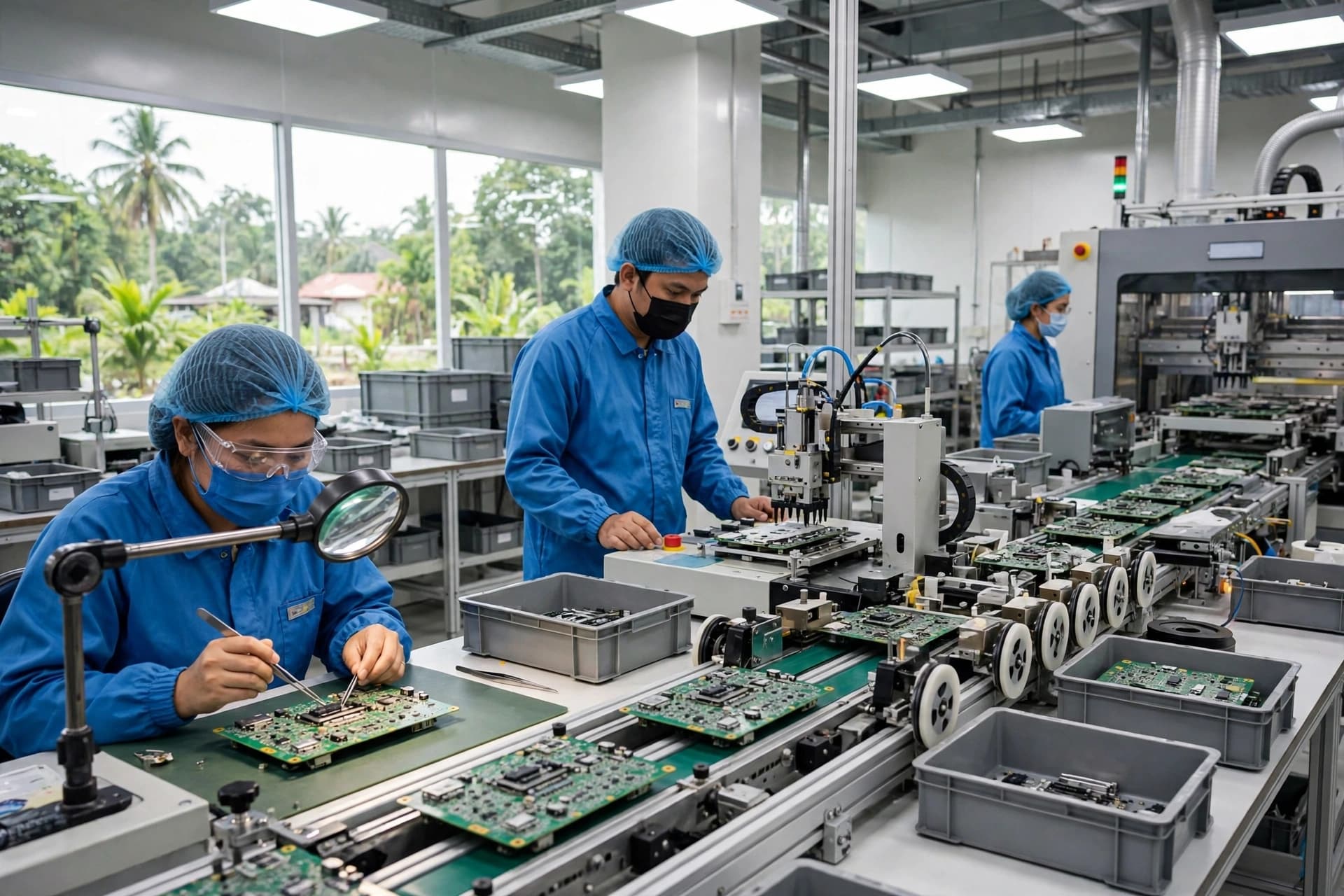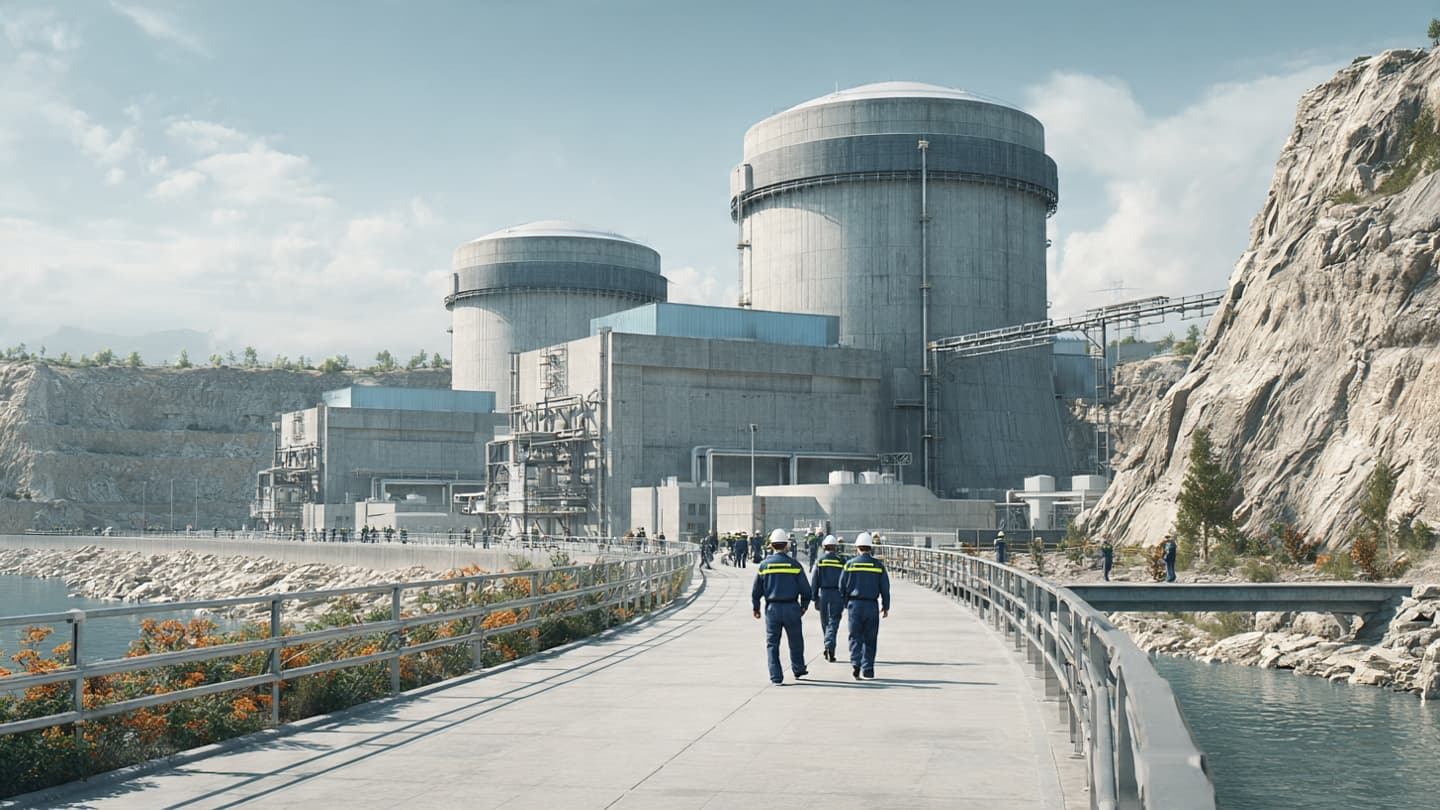
Along the banks of the Paraná River, the Atucha nuclear complex has long stood as one of Argentina's most distinctive industrial landmarks. Its reactors represent an earlier generation of nuclear engineering, built during a period when energy independence was closely associated with technological capability.
Now another chapter is beginning to emerge. Argentina announced a $1.2 billion investment plan for a 300-megawatt modular reactor at the Atucha site, according to Buenos Aires Times. The project involves U.S.-Argentine company Meitner Energy and is intended to expand the country's nuclear generating capacity.
The proposed reactor belongs to the growing category of small modular reactors, or SMRs. Unlike conventional large nuclear facilities, these designs seek to use smaller generating units that can potentially be built and deployed with greater flexibility.
For Argentina, the idea carries particular significance because the country already possesses decades of nuclear experience. Atucha and the Embalse nuclear power plant form part of an established domestic industry involving engineers, scientists, technicians, research institutions, and specialized suppliers.
That existing knowledge can provide a foundation for newer technologies. Rather than beginning from the ground up, Argentina can draw on an industrial ecosystem that has developed around nuclear power over many decades.
The planned investment also arrives as Argentina seeks to strengthen its broader energy position. The country possesses substantial natural gas and renewable-energy resources, while nuclear power provides another source of electricity that can operate independently of weather conditions.
A modular reactor could eventually serve a different role from a traditional large-scale nuclear station. Smaller generating capacity may offer additional options for locations where a large reactor would be less practical, although economics, regulation, construction, and safety requirements will determine whether such designs can compete effectively.
The project is also being announced during a period of change within Argentina's nuclear sector. The National Atomic Energy Commission has been undergoing restructuring and labor pressures, highlighting the practical challenges that accompany large technological ambitions.
For the companies involved, the Atucha proposal represents an opportunity to develop a new form of nuclear infrastructure within an established nuclear environment. For Argentina, it offers another possible route toward maintaining domestic expertise while preparing for future electricity needs.
The proposed $1.2 billion project remains part of a longer development process rather than an immediate addition to the national grid. Its progress will depend on financing, engineering, regulatory review, construction, and the ability to translate the modular concept into a commercially viable facility.
AI Image Disclaimer The illustrations accompanying this article were produced with AI tools as conceptual representations and are not photographs of the proposed reactor or the Atucha facility.
Sources Buenos Aires Times Reuters Argentina National Atomic Energy Commission Meitner Energy World Nuclear Association
Published by Banx Network. This article is part of the Banx decentralized media programme, powered by the BXE token on the XRP Ledger.