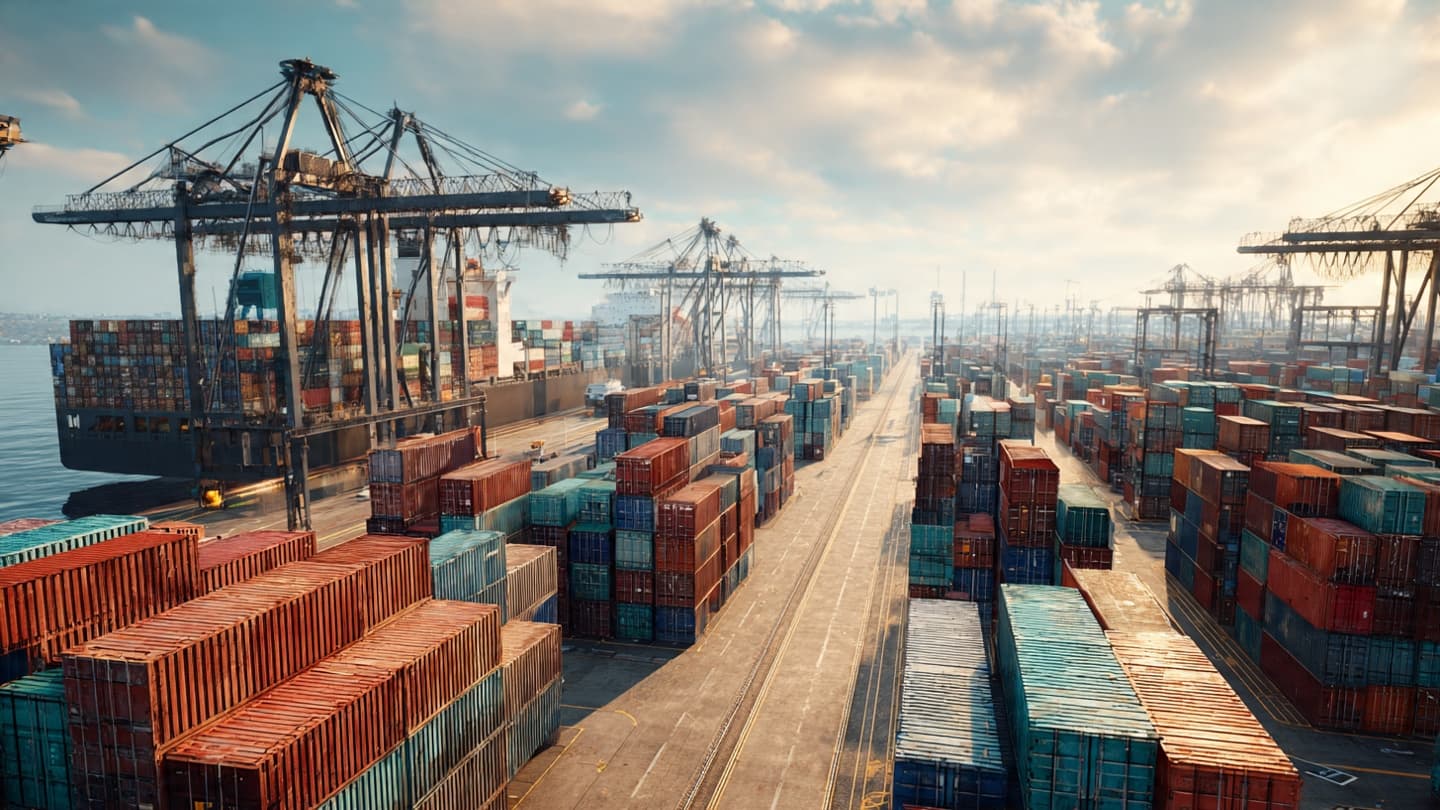
Trade often moves quietly. It travels inside shipping containers, across rail networks, through financial systems, and between factories whose names may never be known to the people who eventually use their products.
A new chapter in that movement has emerged between Switzerland and China, with the two countries reaching an updated free-trade agreement designed to expand and modernize their economic relationship.
The agreement updates an earlier framework and introduces provisions covering areas including goods, services, and digital trade. For businesses, such changes can influence the practical conditions under which products and services move between two distant markets.
Switzerland has maintained a significant commercial relationship with China for years. Pharmaceutical products, machinery, watches, specialized equipment, and other Swiss exports have found customers across the Chinese market.
For Chinese companies, Switzerland offers access to a highly developed European economy with expertise in technology, manufacturing, finance, pharmaceuticals, and specialized services. The relationship therefore extends beyond the movement of physical goods.
Digital trade adds another dimension. As economic activity becomes increasingly dependent on data, online services, and digital infrastructure, trade agreements are evolving to address forms of commerce that did not exist in the same shape when earlier agreements were negotiated.
The updated framework arrives during a period when global trade itself is changing. Companies are reassessing supply chains, markets, production locations, and international partnerships in response to shifting economic conditions.
For Swiss exporters, improved access to China could provide additional opportunities at a time when some international markets remain uncertain. Businesses will still need to navigate competition and demand, but clearer trade rules can make long-term planning easier.
The agreement also illustrates how established commercial relationships can evolve without abandoning their original foundations. Rather than creating an entirely new connection, Switzerland and China are adjusting an existing one to reflect the economy of a more digital and interconnected era.
Much of the agreement's practical effect will ultimately depend on how companies use the opportunities it creates. Trade policy provides a framework, while businesses determine whether new access becomes new investment, new exports, or new partnerships.
For now, the updated free-trade agreement marks another step in the economic relationship between Switzerland and China. Its provisions covering goods, services, and digital trade place the partnership within a broader effort to adapt bilateral commerce to changing global conditions.
AI Image Disclaimer
These visuals were created using AI and serve as conceptual representations of international trade rather than photographs of real events.
Sources
Reuters Swiss State Secretariat for Economic Affairs Swiss Federal Department of Economic Affairs Xinhua
Published by Banx Network. This article is part of the Banx decentralized media programme, powered by the BXE token on the XRP Ledger.