Artificial intelligence is often discussed through the language of computing power, productivity, and automation. Yet another question is beginning to occupy researchers: can the same technology that consumes large amounts of energy also become useful in reducing environmental pressures?
A recent French report examined the potential of artificial intelligence to support climate action. Researchers and technology specialists have identified possible applications ranging from weather forecasting and environmental monitoring to energy optimization and scientific research.
One area attracting attention is climate modeling. Advanced computing can process enormous quantities of information, allowing researchers to analyze atmospheric patterns, temperature changes, ocean conditions, and other environmental variables.
AI systems could potentially make some of those processes faster. Instead of relying exclusively on traditional numerical models, researchers can use machine-learning techniques to identify patterns in large datasets and produce certain predictions more efficiently.
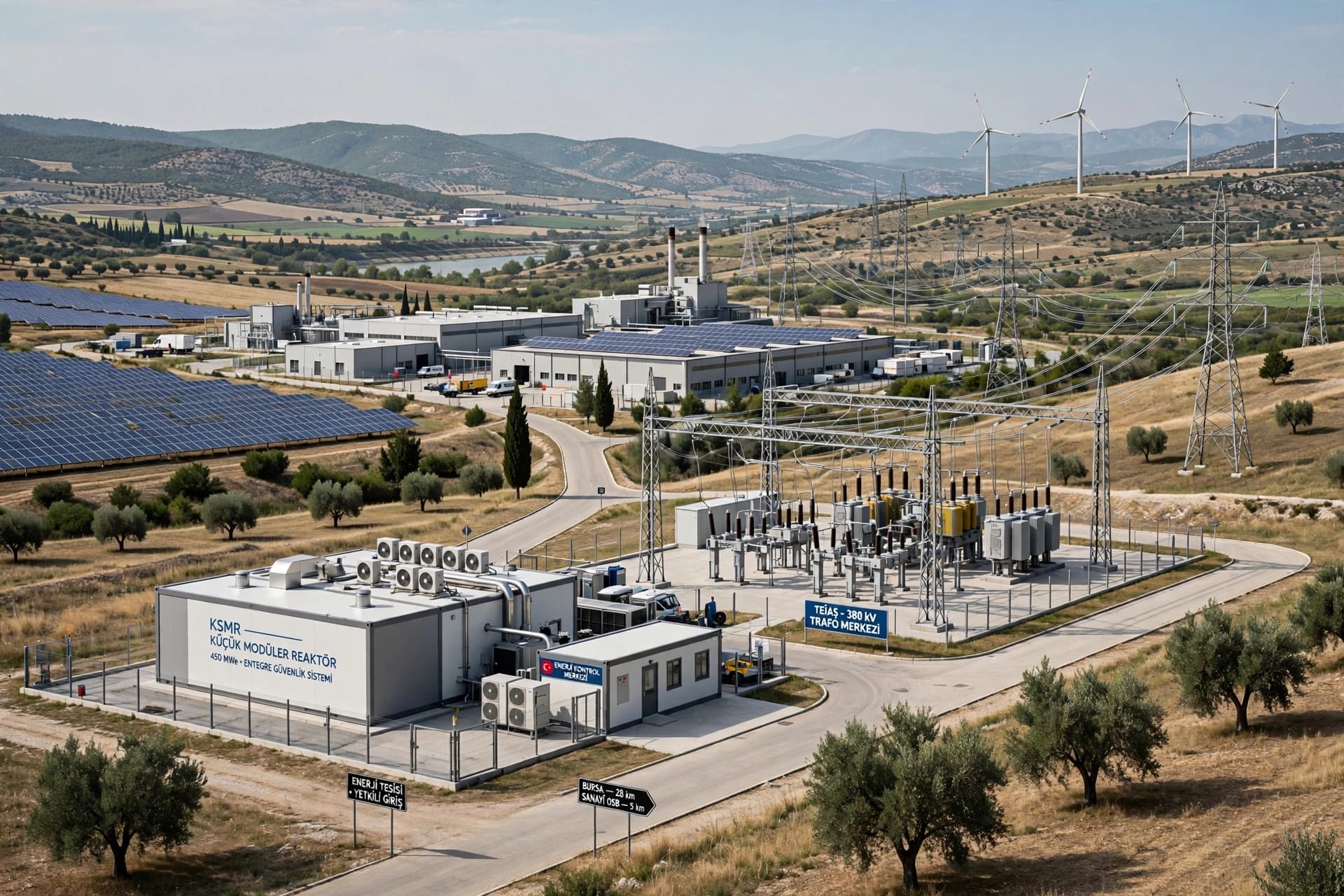
Energy systems represent another possible application. Electricity networks are becoming more complex as solar and wind power expand. AI can help analyze demand, forecast renewable generation, and optimize the distribution of electricity across a changing grid.
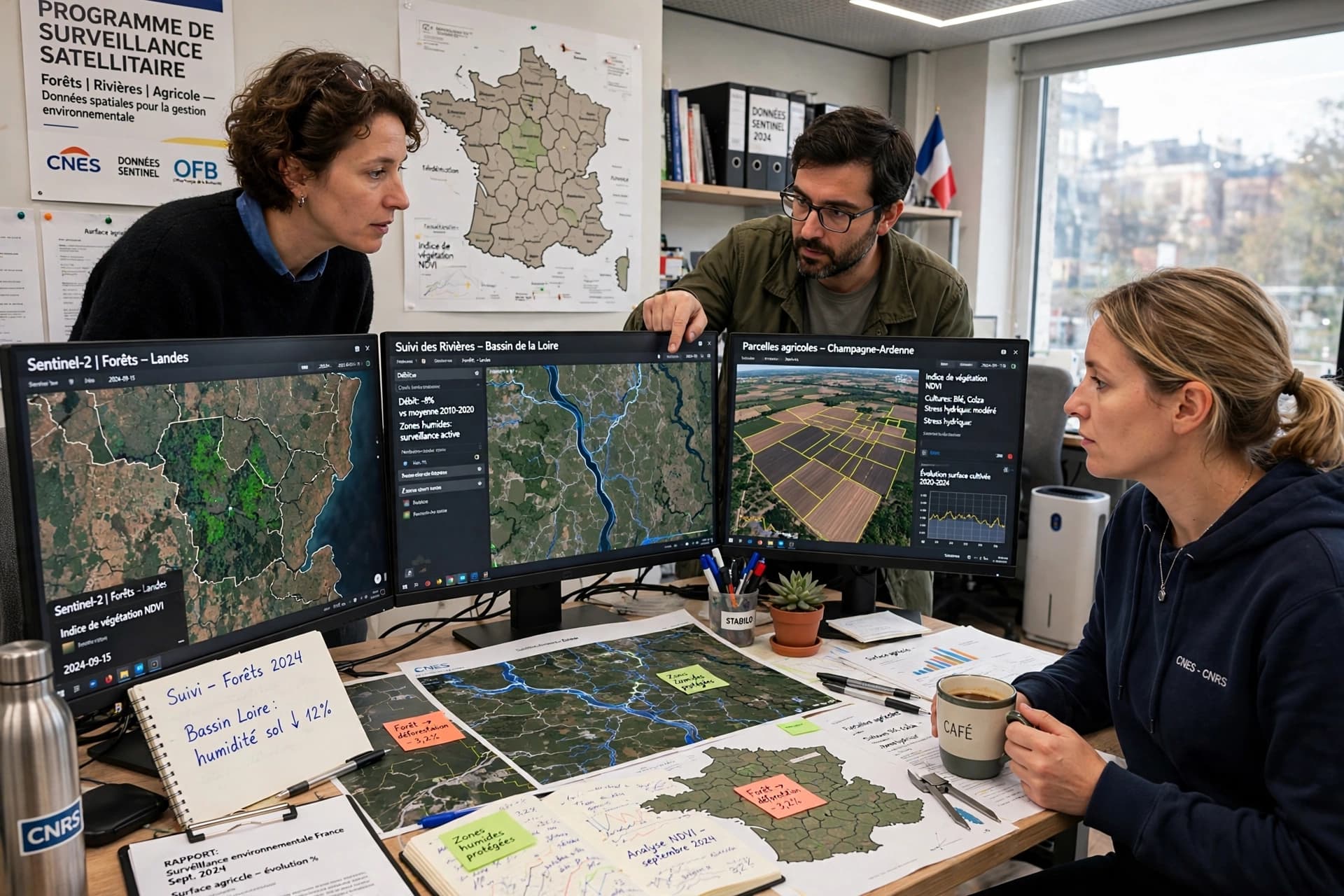
Agriculture could also benefit from more precise environmental information. Satellite imagery combined with machine-learning systems can help identify changes in vegetation, monitor soil conditions, and detect signs of drought or water stress.
The technology can additionally support disaster monitoring. Floods, wildfires, heatwaves, and other extreme events generate large quantities of information from satellites, sensors, weather stations, and local authorities. AI can help process those signals more rapidly.
But the environmental equation is not entirely one-sided. Training and operating large AI models require substantial computing resources, and data centers consume electricity and water for cooling. The environmental benefit of an AI application therefore depends partly on how efficiently the technology is developed and used.
That tension has become one of the central questions surrounding AI and climate change. A system may improve energy efficiency in one area while increasing electricity consumption elsewhere.
French researchers and policymakers are consequently looking at AI as a tool rather than an automatic solution. Its usefulness depends on the specific problem, the quality of available data, the energy required to operate the system, and whether its deployment produces measurable environmental benefits.
The discussion is likely to become more important as both climate pressures and AI capabilities continue to grow. Between the physical world of rising temperatures and the digital world of increasingly powerful algorithms, researchers are beginning to explore where the two can meet in practical ways.
AI Image Disclaimer The accompanying illustrations were generated with AI as conceptual representations and are not actual photographs of French climate-research projects.
Published by Banx Network. This article is part of the Banx decentralized media programme, powered by the BXE token on the XRP Ledger.