
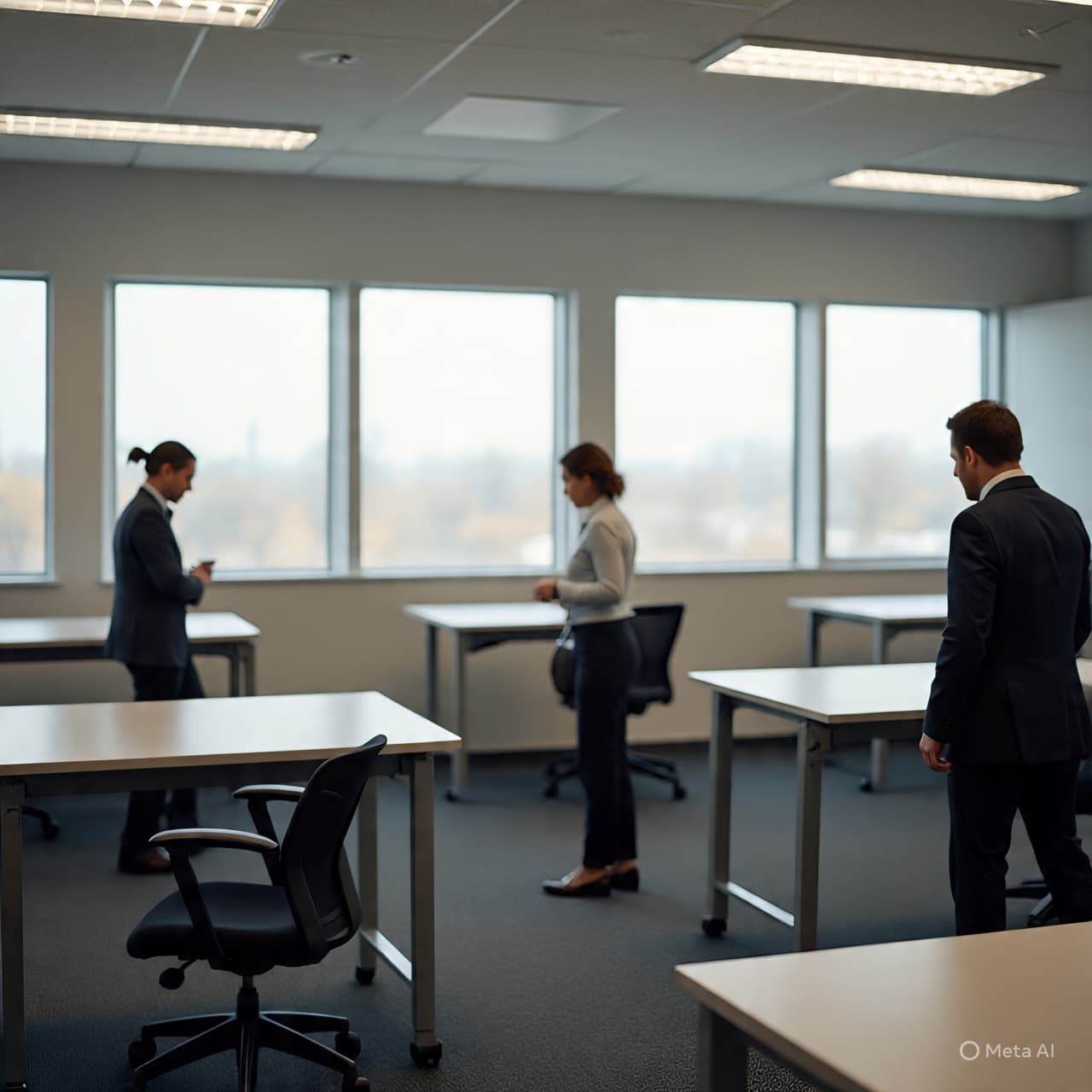
Winter light spills across suburban storefronts, and the aisles of Home Depot feel quieter than usual. The company announced layoffs affecting roughly 800 employees, even as it asked corporate staff to return to the office five days a week. The shift casts a long shadow over the rhythm of work, blending operational realignment with a renewed insistence on physical presence.
For many, the news is a reminder that corporate landscapes are rarely static. Retail locations must balance staffing with customer demand, and decisions about who remains and who departs ripple outward, affecting morale, perception, and the sense of continuity. At the same time, the call for a full return to office underscores a shift in corporate culture — from flexible arrangements back to structured routines.
Employees across departments are navigating the transition differently. For those leaving, the impact is immediate and personal. For those staying, the return to office is a renewed cadence: commuting, scheduled hours, and the subtle choreography of shared spaces. Together, these adjustments mark a transformation not only in operational approach, but in the daily experience of work.
Analysts note that Home Depot, like many large retailers, is attempting to reconcile cost efficiency with a commitment to service. The layoffs reflect a tightening of resources, while the office mandate seeks to anchor strategy, communication, and collaboration in physical presence. In effect, the company is negotiating two timelines at once: one measured in dollars and labor, the other in culture and routine.
The announcement was delivered without fanfare, yet it carries symbolic weight. It speaks to broader questions about the workplace in 2026 — how companies balance flexibility, efficiency, and engagement, and how employees reconcile expectations with individual circumstances. For Home Depot, the future is simultaneously leaner and more structured.
As the day closes and store lights dim, the implications are both subtle and profound. The aisles will remain stocked, projects will proceed, and the company will continue its rhythm of commerce. But behind the routine lies a quiet transformation, a reassertion of order, and a reminder that change often moves in measured steps rather than sweeping gestures.
AI Image Disclaimer
Visuals are AI-generated and serve as conceptual representations.
Sources
Reuters Bloomberg The Wall Street Journal CNBC Associated Press
Published by Banx Network. This article is part of the Banx decentralized media programme, powered by the BXE token on the XRP Ledger.



