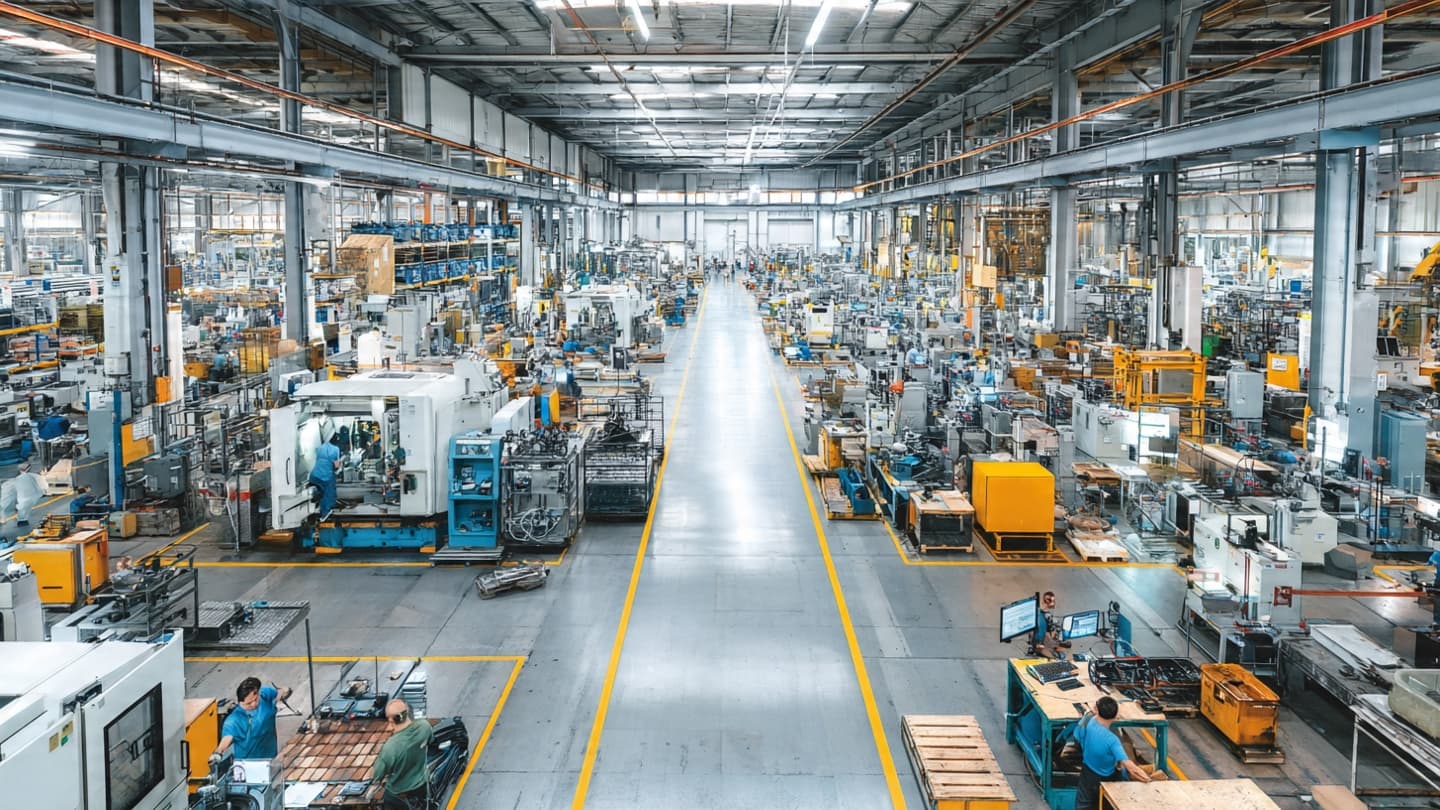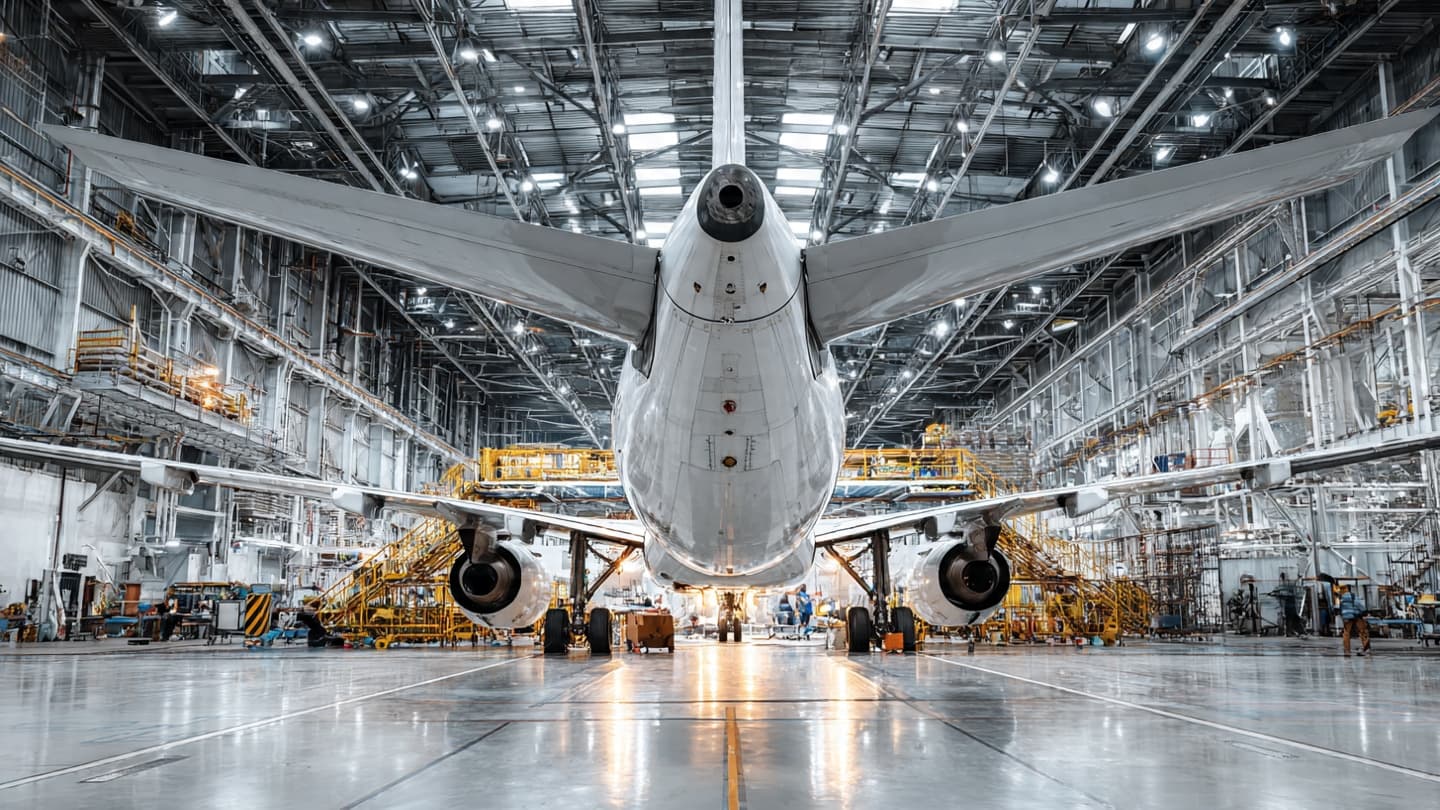
Inside an aircraft factory, even a small unexpected object can briefly interrupt the rhythm of an enormous production system. That was the situation Airbus encountered after a tool was discovered inside the structure of an A330 during a pre-delivery inspection, prompting the company to temporarily slow deliveries.
The object was found in the horizontal tail plane of an A330 during an inspection before the aircraft was handed over to a customer. Airbus subsequently adjusted the pace of deliveries while investigating the circumstances surrounding the discovery.
The discovery involved a stray tool left inside part of the aircraft structure. Such objects are treated seriously in aviation manufacturing because foreign objects can potentially interfere with aircraft components if they remain undetected.
Airbus said the root cause had been identified and deliveries resumed after the necessary checks. The company nevertheless slowed the delivery process while inspections and corrective measures were carried out.
The A330neo is an important part of Airbus's wide-body aircraft portfolio and is used by airlines on medium- and long-haul routes. Its production involves thousands of components and a complex network of suppliers, manufacturing facilities, inspections, and final assembly operations.
The discovery illustrates why aircraft manufacturers conduct extensive inspections before an aircraft enters commercial service. These checks are designed to identify issues that may not be obvious during ordinary production, allowing manufacturers to address them before an aircraft reaches an airline.
Airbus has also been managing broader production demands across its commercial aircraft business. Delivery schedules depend on component availability, manufacturing capacity, supplier performance, and quality-control processes, meaning even a relatively small discovery can temporarily influence the rhythm of a program.
The company's response was therefore centered on inspection and verification rather than simply maintaining the original delivery schedule. In aviation manufacturing, the final stages before delivery provide an important opportunity to confirm that an aircraft meets the required standards.
The incident did not permanently halt the A330 program. With the cause identified and deliveries restarted, attention now turns toward maintaining production while ensuring quality-control procedures continue across the manufacturing chain.
For the aviation industry, the episode offers a glimpse of the precision behind every commercial flight. Long before an aircraft reaches a runway, countless inspections take place inside factories and hangars, where even an unexpected tool can briefly change the movement of a much larger system.
AI IMAGE DISCLAIMER
The accompanying visuals were created using AI technology and are conceptual illustrations of Airbus aircraft production and inspection processes.
SOURCES
Reuters
Published by Banx Network. This article is part of the Banx decentralized media programme, powered by the BXE token on the XRP Ledger.