High above France's warmer valleys, summer has taken on a different rhythm. While heatwaves have affected many lower-lying areas, mountain destinations have offered travelers cooler air, open landscapes, and outdoor activities that remain attractive during the warmer months. The result has been a resilient season for French mountain tourism.
Mountain tourism has traditionally been associated strongly with winter sports, but summer has become increasingly important for many resorts. Hiking, cycling, nature tourism, and outdoor recreation now form part of a broader seasonal economy that continues well beyond the ski season.
This year, weather has added another reason for visitors to consider higher elevations. During periods of intense heat, mountain areas can provide more comfortable conditions, particularly at night. That difference has encouraged some travelers to reconsider traditional summer destinations.
The effect has been visible in several mountain regions. Tourism professionals have reported relatively resilient activity, with some destinations maintaining visitor levels close to previous years while others benefited from additional demand.
One notable feature of the season has been the flexibility of travelers. Rather than committing months in advance, some visitors have waited until closer to their departure before deciding where to go. Weather forecasts and temperature expectations have consequently become more influential in holiday planning.
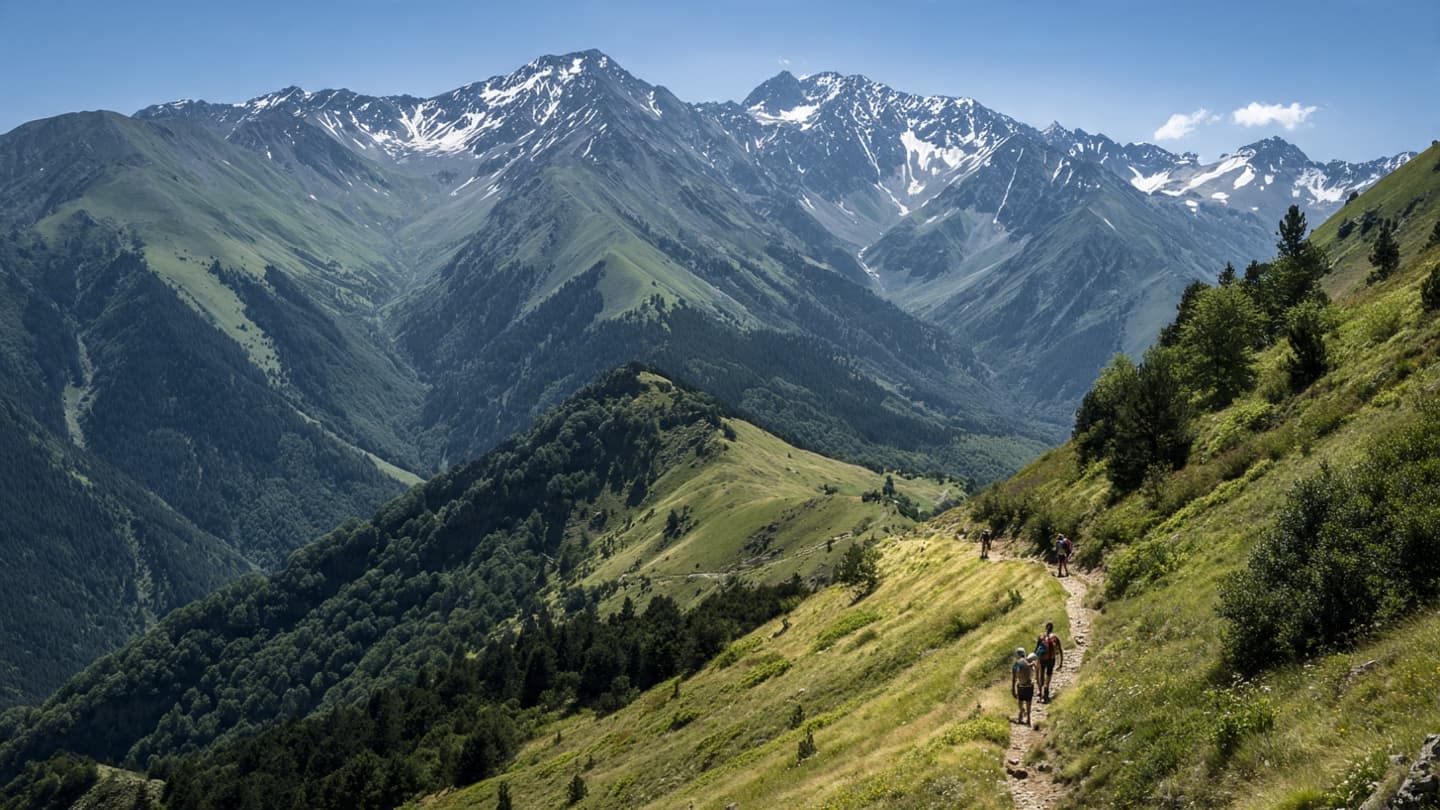
Outdoor activities have also helped mountain destinations broaden their appeal. Hiking trails, cable cars, cycling routes, lakes, and scenic viewpoints provide visitors with alternatives to the traditional winter attractions of skiing and snowboarding.
International visitors remain another important component. Famous mountain destinations such as Chamonix and Megève continue to draw travelers from outside France, supporting local businesses including hotels, restaurants, transportation services, and outdoor recreation companies.
The resilience of mountain tourism does not mean every resort has experienced strong growth. Results vary by location, accommodation type, and visitor profile. Some areas have remained broadly stable rather than recording significant increases, while others have benefited more directly from the search for cooler conditions.
Still, the summer has demonstrated how changing weather can influence the geography of tourism. France's mountains are not simply winter landscapes; during a particularly hot summer, they can become destinations for travelers looking for a different kind of seasonal experience.
As the season moves toward autumn, mountain communities will begin assessing the full results. The summer of 2026 has nevertheless provided another indication that tourism patterns can shift quietly, with altitude and climate becoming increasingly important elements in deciding where people spend their holidays.
AI IMAGE DISCLAIMER
The accompanying visuals were created using AI and are intended as conceptual illustrations of French mountain tourism.
SOURCES
Le Monde
Published by Banx Network. This article is part of the Banx decentralized media programme, powered by the BXE token on the XRP Ledger.