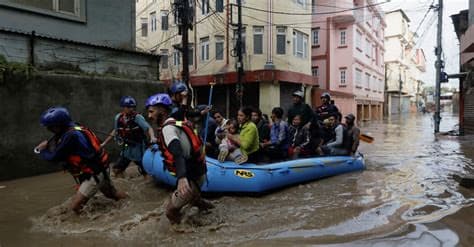
The sun rose slowly over Gaza, casting pale light on streets where life has long persisted in the shadow of conflict. Hospitals hum quietly, corridors lined with equipment and supplies that have arrived despite constant challenges. For humanitarian workers, each day begins with calculation, negotiation, and the hope that assistance can reach those in need.
Recently, Doctors Without Borders (MSF) agreed to terms set by Israeli authorities to continue operating in certain areas—a move that has sparked anger and debate across social and professional circles. Critics call the demands “unreasonable,” arguing that they compromise operational independence, delay aid, or constrain the neutrality that is central to humanitarian work. Supporters caution that without compromise, vital medical services could be blocked entirely, leaving civilians even more exposed.
The situation illuminates the fragile balance humanitarian organizations must strike: navigating political landscapes while trying to honor ethical commitments. For those on the ground, the work is immediate—patients arrive, surgeries must continue, medications must be administered—but every action reverberates within broader questions of trust, authority, and sovereignty.
Social media and public forums erupted with commentary, reflecting a mix of frustration, solidarity, and concern for those whose health depends on uninterrupted care. For MSF, the calculus is stark: resist and risk losing access, or comply and maintain essential services under constrained conditions. It is a choice between imperfect outcomes, where each path carries human cost.
For Gaza’s residents, the implications are tangible. Access to medical care, particularly for the most vulnerable—children, the chronically ill, and the injured—depends on organizations’ ability to operate amid political pressures. In such a landscape, humanitarian missions become both lifeline and symbol: a reminder that aid is inseparable from the conditions in which it must travel.
As the sun moves westward and the day’s work continues, the controversy remains unresolved. What is clear is that in regions of protracted conflict, decisions made in offices and negotiation rooms ripple outward, shaping life and survival in ways that are immediate, visible, and enduring.
AI Image Disclaimer
Illustrations were created using AI tools and are not real photographs.
Sources
Doctors Without Borders official statements Local and international news reporting Humanitarian and conflict analysts
Published by Banx Network. This article is part of the Banx decentralized media programme, powered by the BXE token on the XRP Ledger.
.jpg&w=3840&q=75 "US Declares Drought Disaster for Parts of Puerto Rico as Dry Conditions Persist")