Two financial centers can share the same skyline, the same currency and the same national economy, yet move in very different directions when the trading screens begin to change.
That contrast appeared clearly in the United Arab Emirates on September 18. Abu Dhabi’s stock market advanced strongly, while Dubai’s main index moved lower, producing a divided session across the country’s two major exchanges.
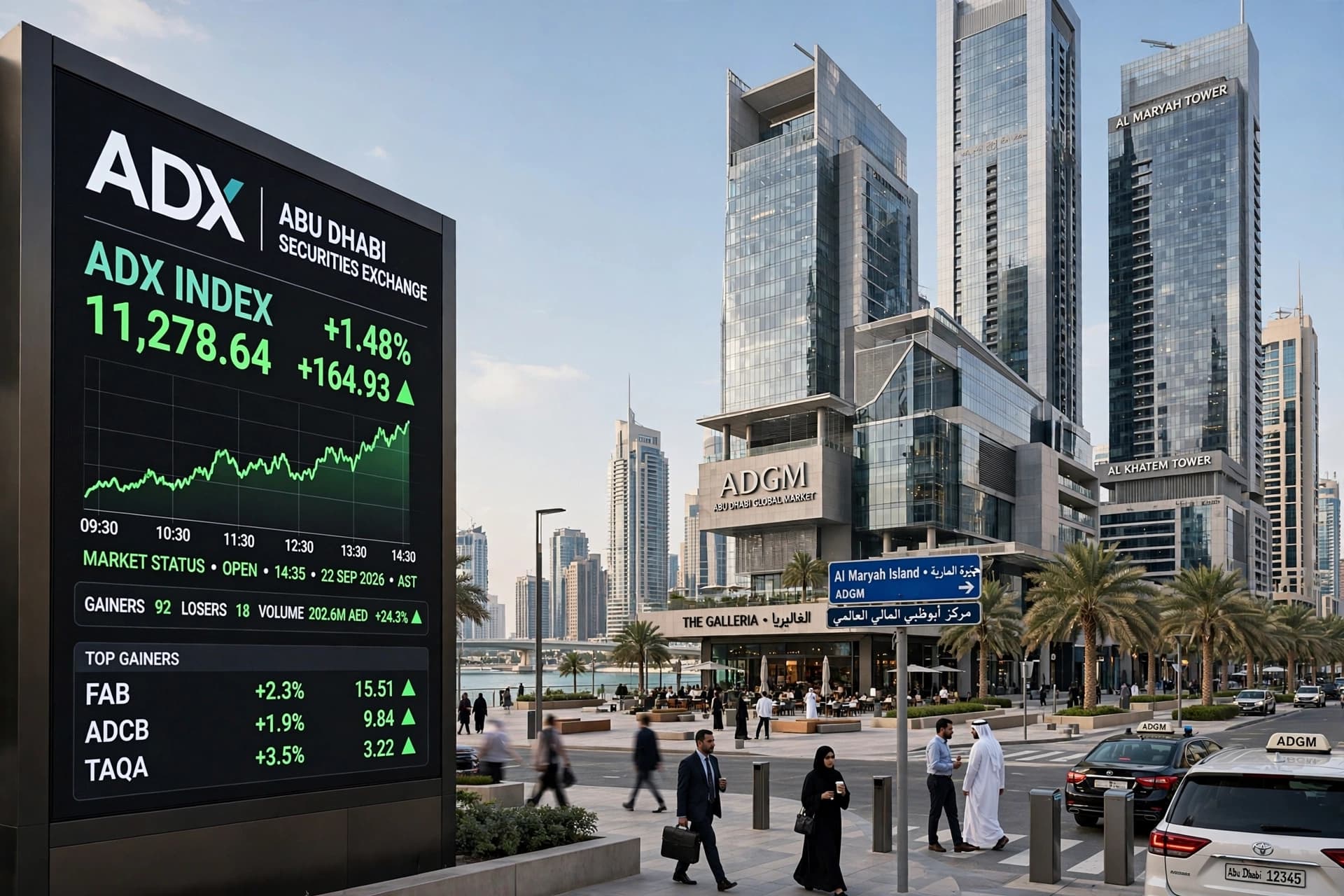
Abu Dhabi’s benchmark index rose 1.1%, its biggest intraday gain in more than six weeks, according to Reuters. The movement was supported by strong performances in healthcare and consumer-staples companies.
International Holding Company, the UAE’s largest listed firm, played a central role in the advance. Its shares climbed 4.8%, helping lift the broader Abu Dhabi market.
Other major companies also contributed. Pure Health Holding gained 4.7%, while Lulu Retail Holding increased 2.6%. The movements reflected strength across several sectors rather than a single-company event.
Dubai, meanwhile, moved in the opposite direction. The Dubai main index fell 0.5%, ending a two-session winning streak. The decline was influenced by weakness in some of the emirate’s major listed companies.
Emirates NBD Bank, Dubai’s largest lender, dropped 2.4%, while Emaar Properties declined 1.5%. Those movements placed pressure on the benchmark even as several other companies continued to attract buying interest.
Talabat Holding provided one of the brighter points within the Dubai market. Its shares rose 2.6% after the food-delivery company recommended a dividend of 2.660 fils per share for the first half of the year.
Oil prices added another layer to the session. Brent crude declined 1.6% to $103.18 a barrel as concerns about potential supply disruptions in Saudi Arabia eased. Oil remains an important market variable for Gulf economies and their financial exchanges.
The divergence between Abu Dhabi and Dubai demonstrates how regional markets can respond differently even when they face the same broader economic conditions. Sector composition, company-specific developments and investor positioning can all influence the direction of an individual exchange.
For observers of the UAE economy, the day's movement offered a small reminder that financial markets are rarely a single story. Behind the headline numbers are different companies, industries and expectations, each moving according to its own rhythm while remaining connected to the larger Gulf economy.
Image Disclaimer:
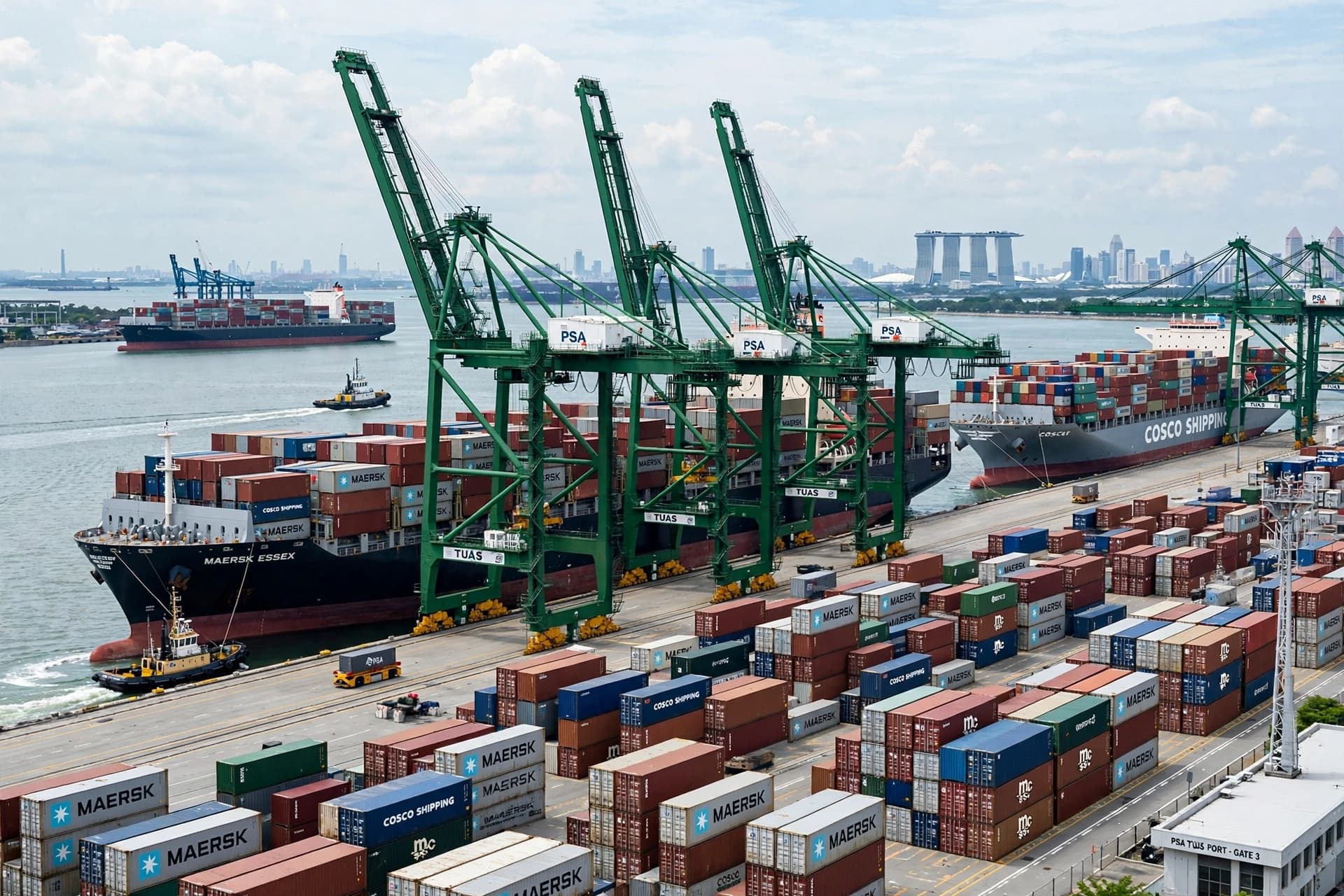
Illustrations were created using AI tools and are not real photographs of the Abu Dhabi or Dubai trading sessions.
Sources:
Reuters Abu Dhabi Securities Exchange Dubai Financial Market International Holding Company UAE Central Bank
Published by Banx Network. This article is part of the Banx decentralized media programme, powered by the BXE token on the XRP Ledger.