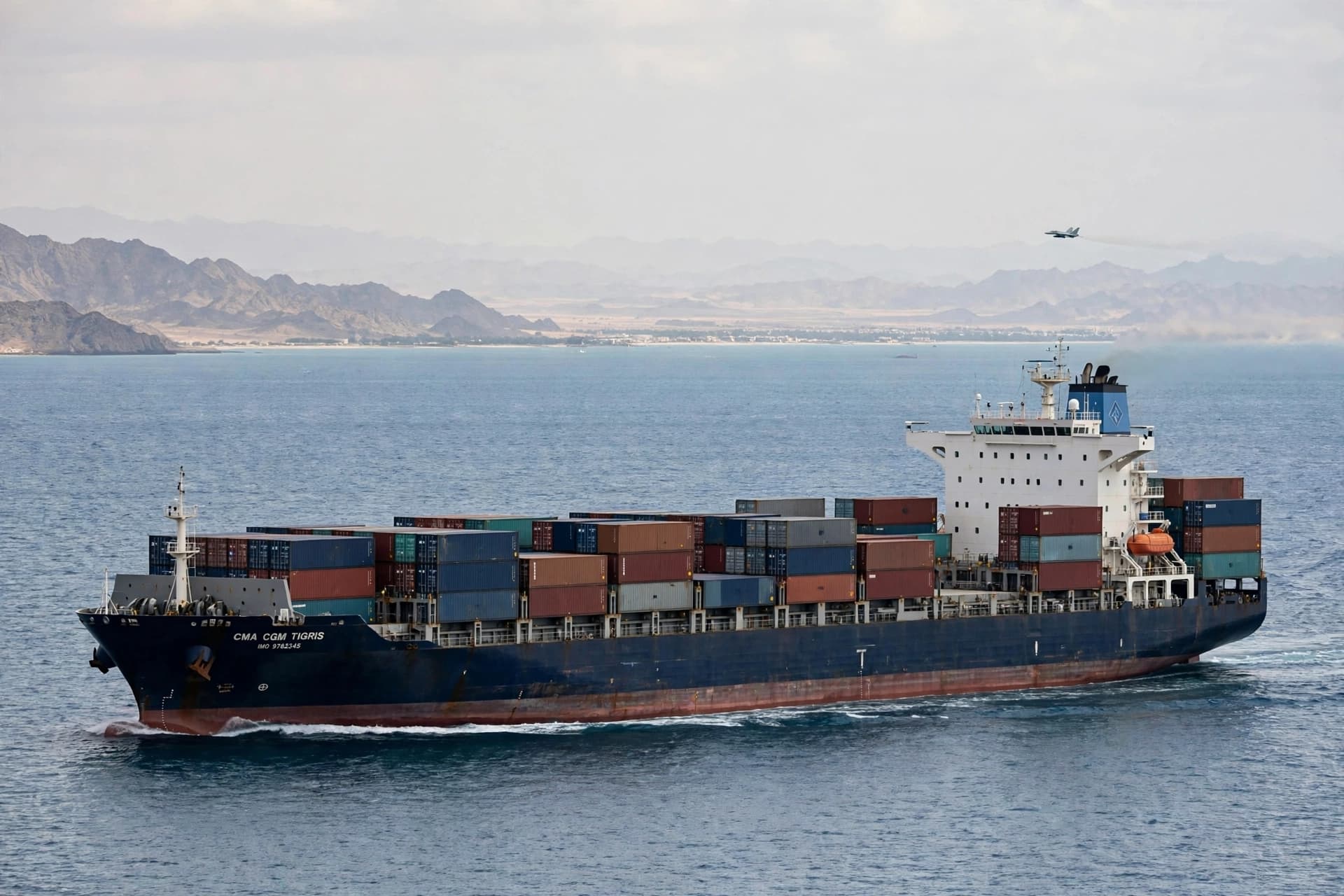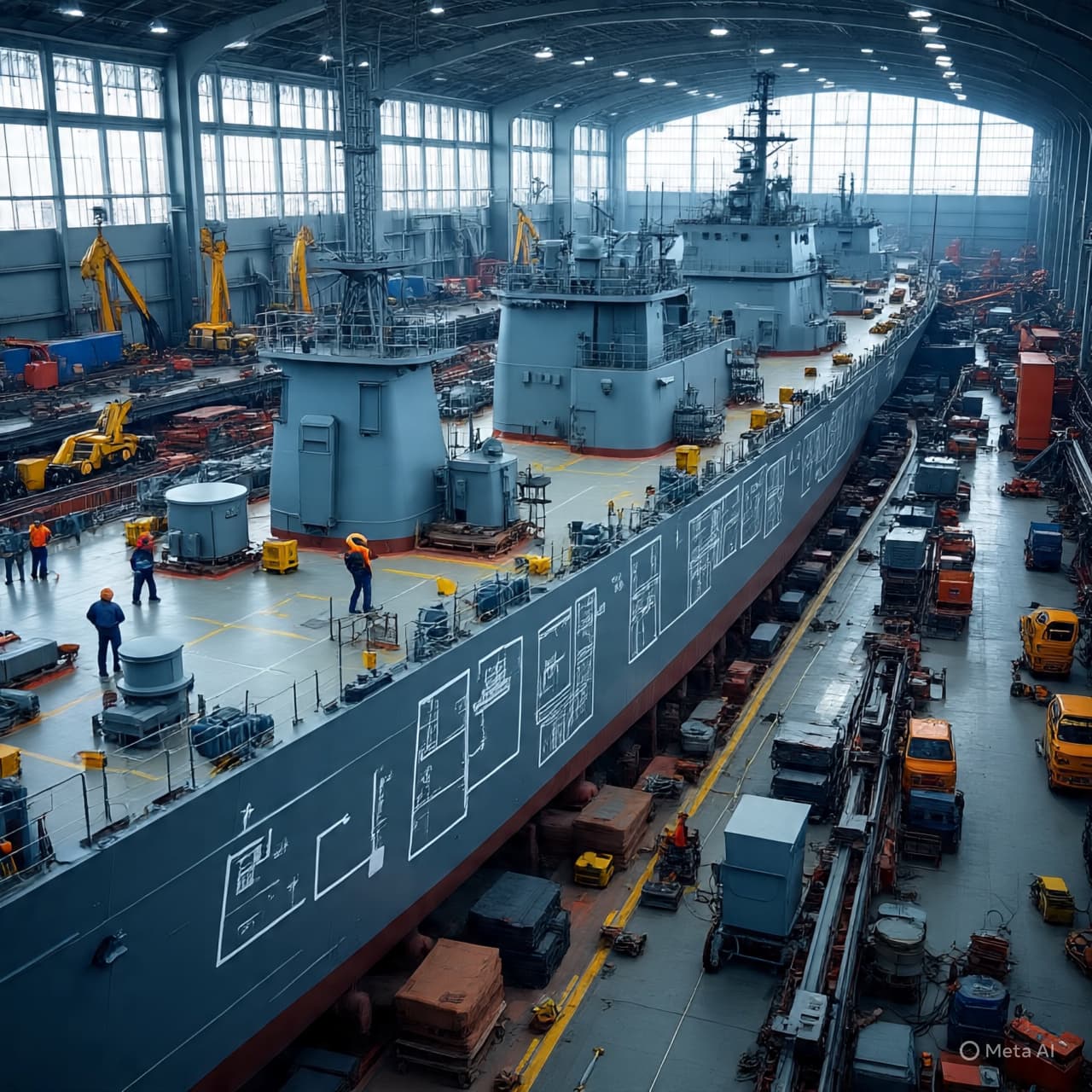
There’s a curious rhythm to the sea: the cadence of waves whispering centuries of naval lore, the quiet promise of distant horizons, and the weighty dreams we cast upon these waters. When a great ship is imagined, it is not just steel and engine, but a story of power, of purpose, of promise. Yet, the latest chapter in America’s maritime tale has stirred both awe and uneasy reflection, as a new class of warship vast in ambition and name emerges on the horizon of public consciousness.
In late December, President Donald J. Trump unveiled plans for a so-called “Golden Fleet,” anchored by a new class of surface warship that would bear his name and carry with it a cascade of debates about strategy, cost, and relevance. Naval observers and defense analysts, who have watched the evolution of maritime warfare from battleships to carrier strike groups, voiced skepticism that these colossal vessels would ever cut through saltwater and spray the seas with their bows. Critics frame this initiative as a departure from the Navy’s current dispersion-of-force doctrine toward a singular, monumental asset that might instead attract danger rather than deter it.
Experts caution that the proposed ships each projected to carry advanced weaponry and expertise-laden systems could cost upward of nine to ten billion dollars apiece in design and construction, a figure that grows heavier in the shadow of existing programs that have already strained budgets and timelines. Some analysts suggest that even before the first keel is laid, the scheme may find itself adrift amid competing priorities and future administrations’ reviews.
Beyond the ledger books lies another layer of concern: the strategic logic of the vessel itself. Battleships, once icons of industrial might and martial prestige, have long faded from prominence in modern naval doctrine. Today’s maritime strategy favors agility, stealth, and networking a tapestry of distributed capabilities rather than singular leviathans. To some observers, a fleet centered on hulking, high-profile ships evokes the ghost of a bygone era, raising the specter of being a “bomb magnet” in a world where missiles and drones redefine maritime risk.
Yet, for advocates of the project, the spectacle of naming a class of ships after a president speaks to legacy and pride, a symbolic assertion of strength on the world’s oceans. In this telling, such ships could stand as floating bastions of national resolve, testaments to ambition and national branding writ large. This narrative, however, remains in tension with budgetary realities, strategic doctrines, and the measured caution of defense planners.
In the ebb and flow of national debate, what endures is neither the roar of engines nor the glint of steel, but the question of how best to safeguard peace and project security. Whether the Trump-class vessels sail forth or become lines in future histories yet unwritten, the dialogue they inspire reminds us that naval power is as much about ideas on paper as it is about hulls on the water.
As this plan continues its course through congressional review, Pentagon assessments, and public discourse, its fate and that of the billions tied to it will unfold in settings both formal and informal, measured not just by cost, but by the compass of strategic judgment and enduring national interests.
AI Image Disclaimer (Rotated) Visuals are created with AI tools and are not real photographs.
Source Check:
Common Dreams. CNBC. Wall Street Journal.
Published by Banx Network. This article is part of the Banx decentralized media programme, powered by the BXE token on the XRP Ledger.