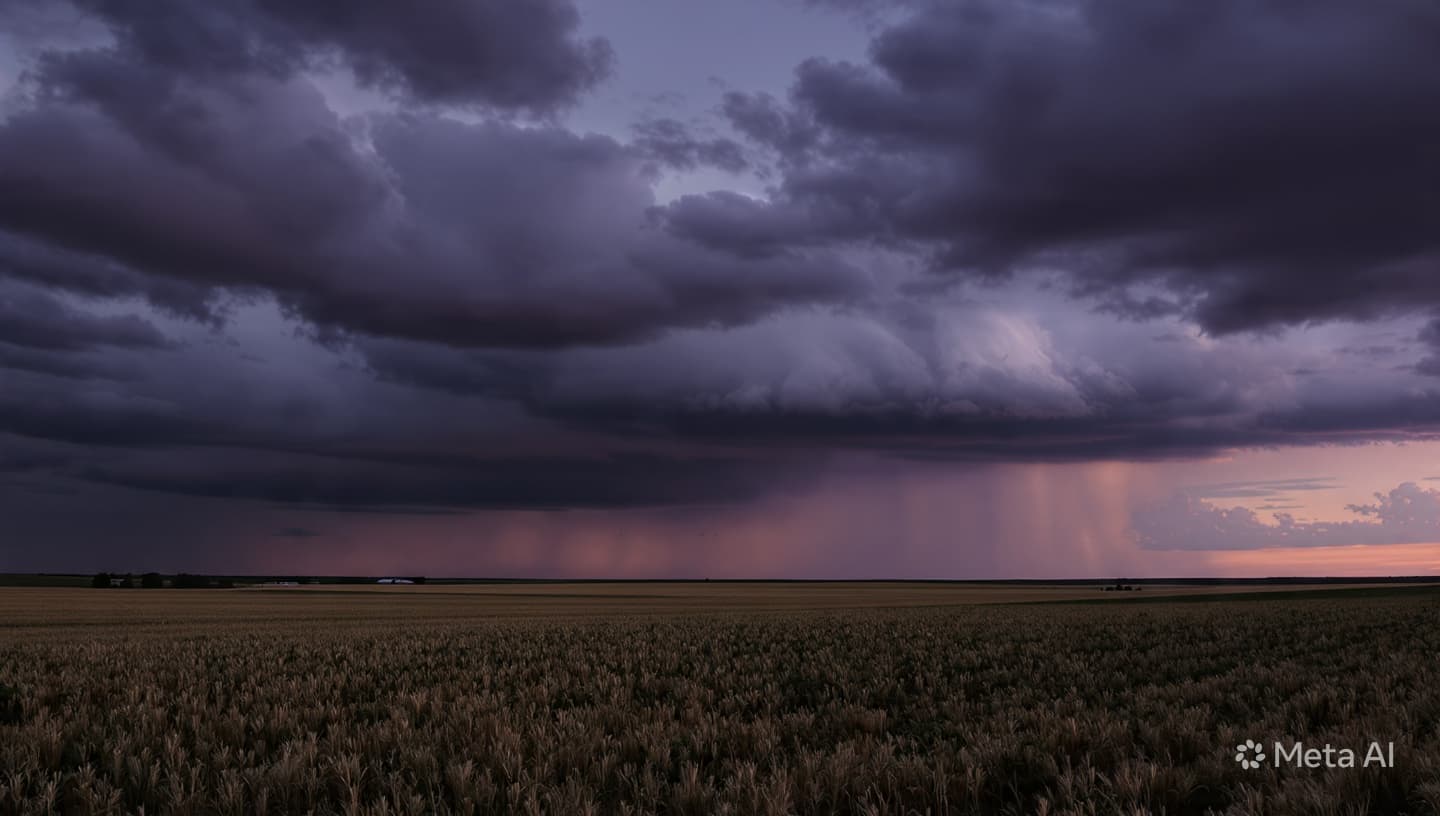
The heartland of Indiana, a region defined by its vast, rolling plains and the quiet persistence of its rural communities, is a landscape where the elements often dictate the rhythm of life. It is a place where the sky is not merely a canopy but a dynamic, powerful force, capable of bestowing both the rain that sustains the crops and the winds that can alter the course of a lifetime. When a "Particularly Dangerous Situation" tornado outbreak descends upon this expanse, the atmospheric harmony is shattered, replaced by the chaotic, swirling force of nature in its most raw form.
The threat of a PDS tornado—a designation that carries the weight of extreme urgency—transforms the very air, charging it with the electricity of potential disaster. Across the landscape of Gibson County and the wider region, the warnings ripple through the community, turning the ordinary business of a Tuesday into a state of heightened vigilance. When the winds begin their descent, the boundary between the sanctuary of home and the fury of the storm becomes dangerously thin, forcing those in its path to seek shelter in the silence of the earth or the safety of the interior.
In the aftermath of such an event, the landscape is often left in a state of sudden, shocking transformation. The path of a tornado is an indiscriminate traveler, carving a trajectory that ignores the lines of property and the boundaries of human endeavor. As the winds subside and the clouds begin to retreat, the work of assessing the cost begins—a process of sifting through the wreckage to count the losses and identify the survivors. The news of potential fatalities is a heavy shroud, cast over the communities that have been touched by the storm’s passage.
The response to the outbreak is a testament to the resilience of the local spirit. Emergency crews, fire departments, and neighbors alike converge on the impacted areas, their efforts defined by a singular, urgent goal: to find those who are missing and to provide comfort to those who have lost their livelihoods. In these moments, the identity of the community is forged in the furnace of necessity, as the collective strength of the people rises to meet the challenge of the ruin left behind by the storm.
For the meteorologists who track the movement of the cells, the outbreak is a narrative of atmospheric instability and the brutal mechanics of the atmosphere. The PDS designation, while a technical term for the severity of the forecast, is a reflection of the profound threat that hangs over the region. It is a reminder that despite the advancement of our predictive tools, the power of the natural world remains a force that demands our absolute respect, a constant, underlying reality of life in the Midwest.
As the state of Indiana turns its gaze toward the recovery, the memory of the storm begins to settle into the collective consciousness. It is a history of trial and endurance, a chapter in the ongoing story of a people who have learned to live with the unpredictability of their environment. The buildings will be rebuilt, the fields will be cleared, and the rhythm of the plains will return, but the shadow of the storm will linger in the accounts of those who weathered the winds and the memory of the lives that were claimed.
The broader implications of the outbreak will be discussed in the halls of government and the offices of safety management, as officials look for ways to better prepare for the storms that seem to grow in intensity and reach. Yet, for the individuals on the ground, the reality is far more immediate: the loss of a home, the absence of a loved one, and the task of moving forward in the wake of the upheaval. It is a story of human endurance, tested by the unrelenting force of the elements and bolstered by the quiet, essential bonds of the community.
In the end, the tornado outbreak in Indiana is a reflection on our fragile place in the theater of nature. It is a study in contrasts—the beauty of the expansive sky and the violence of the wind, the isolation of the rural plains and the closeness of the human response. As the recovery efforts continue and the region begins to heal, the memory of the event stands as a stark, urgent reminder of the cost of our movement through this world, and the enduring strength of the lives that remain.
Published by Banx Network. This article is part of the Banx decentralized media programme, powered by the BXE token on the XRP Ledger.