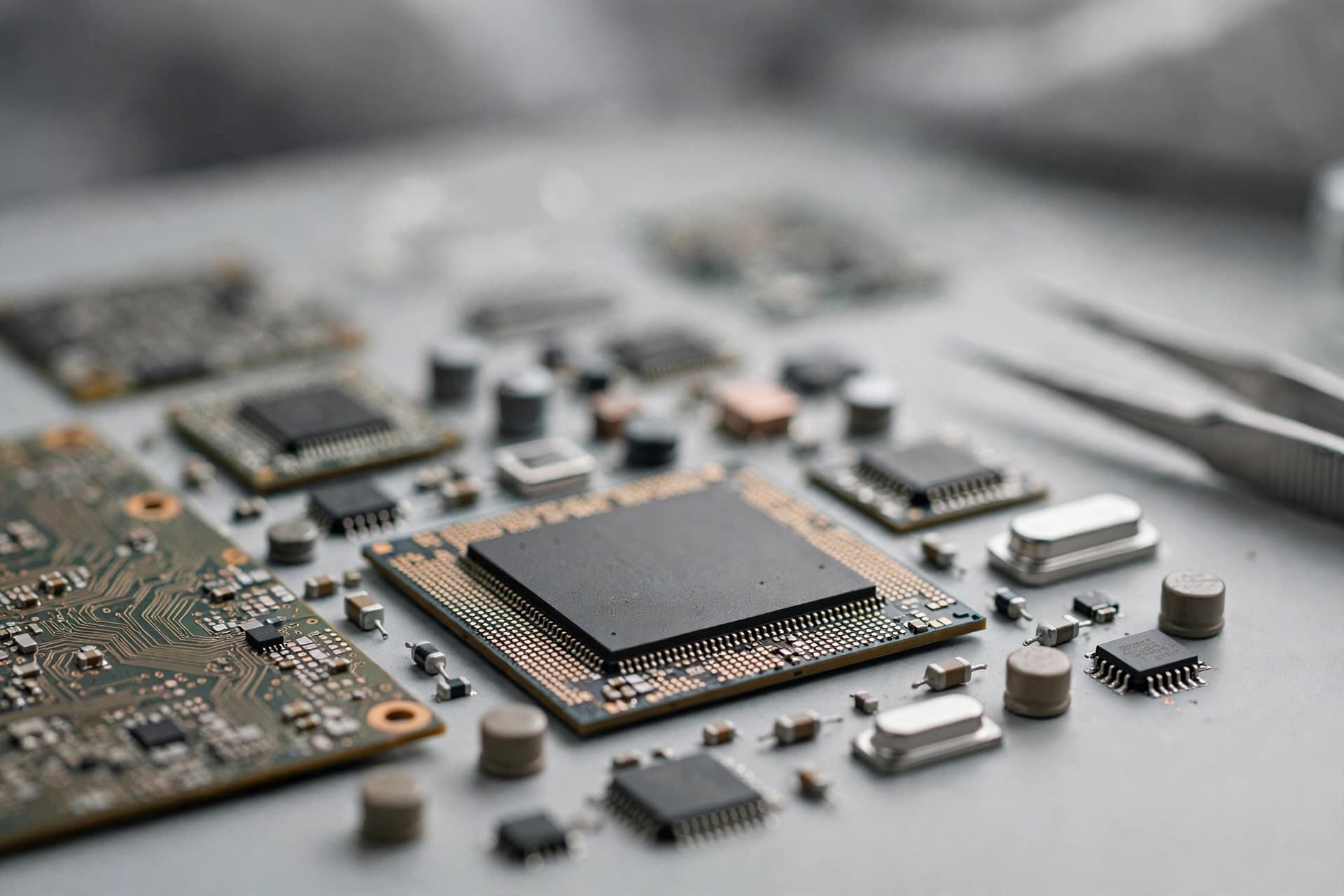
In the quiet rhythm of the computing world — where features often fade without wide notice — sometimes a small decision can feel meaningful to millions of people. That’s the sense around Microsoft’s recent choices in its Windows updates, which signal that the company is continuing support for Secure Boot, a security feature that helps protect computers from certain kinds of malware and tampering before the operating system even starts.
Secure Boot works quietly in the background. When a computer turns on, it checks the software that loads first — the firmware and bootloader — and makes sure it’s been signed and approved by trusted sources. If the signature doesn’t match, the machine won’t proceed. For many users, this is not something they think about every day, but it’s one of those foundational pieces of the digital foundation that helps keep devices safe from threats that could otherwise sneak in before traditional antivirus tools even wake up.
In recent months there was some uncertainty about the future of Secure Boot as new versions of Windows were being tested and discussed. Some users wondered whether changes to the operating system might deprioritize or phase out this older-but-important feature. But with recent Windows updates, Microsoft has made it clear that Secure Boot remains an active and supported part of the security landscape. Those updates include refinements that help preserve Secure Boot functionality while also ensuring compatibility with modern hardware and future system enhancements.
For administrators, security professionals and everyday users alike, the continued presence of Secure Boot offers reassurance. In an environment where cyber threats evolve constantly, maintaining layers of defense — both below and above the operating system — is considered best practice. Secure Boot is one such layer: early in the startup process, it helps catch or prevent code that shouldn’t be there, reducing the chance that deeply embedded malware can persist undetected.
Of course, the decision to maintain support for Secure Boot also reflects the delicate balance that software makers must strike between legacy and innovation. As Windows continues to evolve with new features, artificial intelligence-powered tools, and performance improvements, the firm commitment to older security components signals a respect for stability and backward compatibility. Many businesses, schools and users rely on a mix of hardware — some new, some not so new — and Secure Boot has been part of that ecosystem for years.
For users, the change — or rather, the continuation — may not show up in bold headlines. You won’t see “Secure Boot Lives On” in big text when a system finishes updating. But for people who care about layered security and predictable platform behaviour, the choice matters. It is an affirmation that some foundational protections will not be quietly set aside as the OS undergoes transformation.
In the broader story of software and security, this is a gentle reminder that what matters is not only what’s new, but what’s steadfast. Secure Boot’s ongoing support suggests that even as Windows looks ahead, it still carries aspects of its design that continue to serve users in meaningful ways — quietly, reliably, and without fanfare.
AI Image Disclaimer Visuals are created with AI tools and are not real photographs.
Sources
• Reporting from major technology news outlets on Microsoft’s continuation of Secure Boot support in Windows updates.
• Commentary from cybersecurity experts on the role of Secure Boot in modern device protection.
Published by Banx Network. This article is part of the Banx decentralized media programme, powered by the BXE token on the XRP Ledger.