

Key Highlights
- Incident:A recent coal mine explosion in China has resulted in multiple fatalities.
- Investigation:Authorities are probing the cause of the disaster, focusing on safety compliance and operational practices.
- Impact:The tragedy has reignited discussions on labor safety and the reliance on coal in China's energy sector.
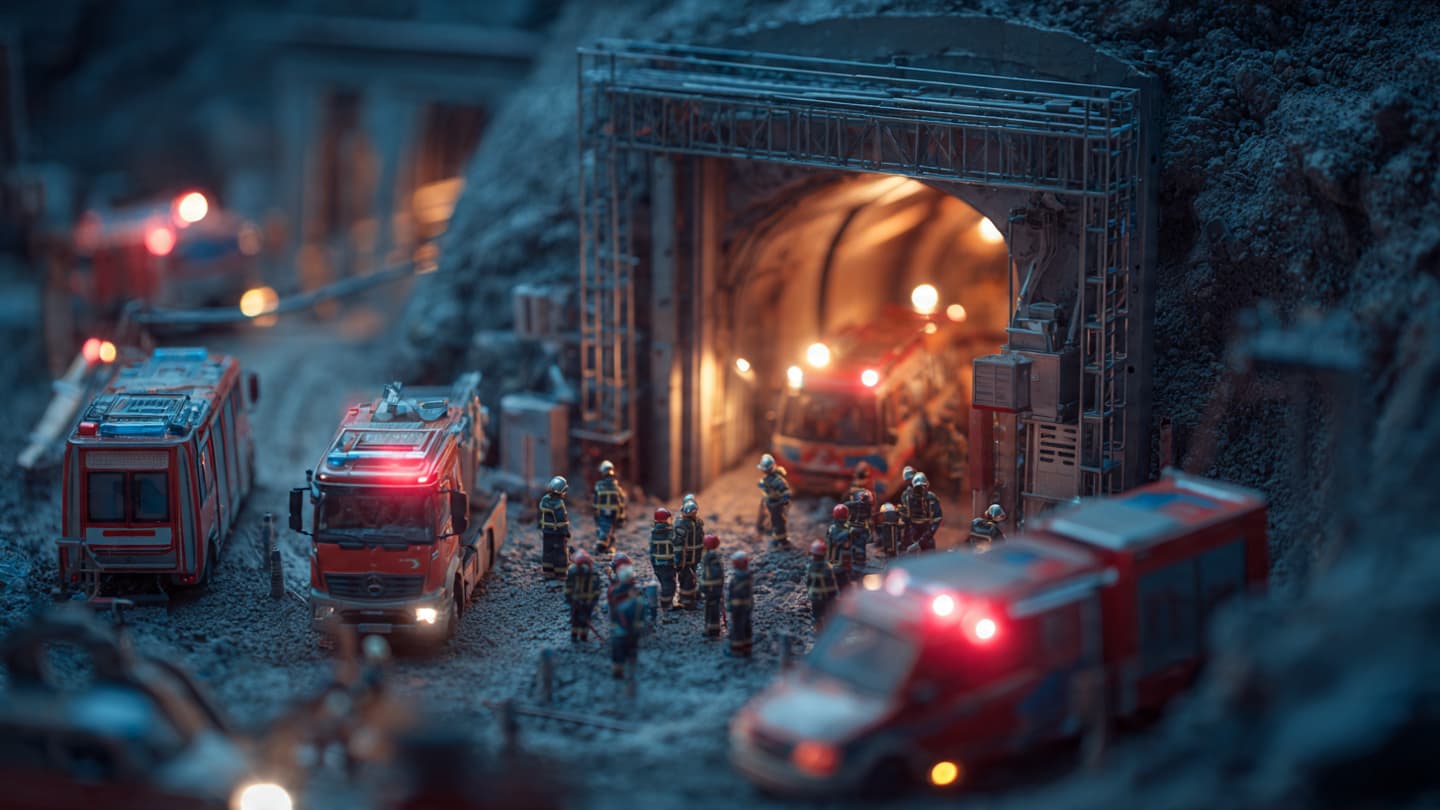
In a tragic incident that has drawn national attention, a coal mine explosion in China has claimed numerous lives, marking the deadliest mining disaster in the country since 2009. The explosion occurred in a remote mining area, where emergency crews have been working tirelessly under challenging conditions to recover victims and assess the structural integrity of the mine. This disaster has not only highlighted the inherent dangers of coal mining but also raised critical questions about safety regulations and oversight in the industry.
Chinese officials confirmed that the blast's death toll is significant, prompting immediate investigations into the circumstances surrounding the incident. Preliminary reports suggest that the explosion may have been linked to gas buildup, equipment failure, or violations of operational protocols. Mining explosions are often associated with methane accumulation, which can ignite in confined underground spaces, leading to catastrophic outcomes.
Despite a notable decline in industrial accidents in China's mining sector over the past few decades due to stricter regulations and improved safety standards, fatal incidents continue to occur. This tragedy underscores the ongoing risks faced by miners, particularly in regions where economic dependence on coal mining limits alternative employment opportunities. Families of miners often rely on this work for their livelihoods, even as they navigate the dangers associated with it.
The explosion has reignited public discourse on labor safety within hazardous industries. Observers note that major industrial accidents in China typically lead to broader regulatory reviews and heightened safety inspections across similar facilities nationwide. Following high-profile disasters, government agencies often respond with stricter enforcement campaigns aimed at preventing future incidents.
As recovery efforts continue, the focus remains on the families affected by this tragedy. Communities are mourning the loss of workers who entered the mines as part of their daily routines, only to face an unforeseen disaster that claimed their lives. The incident serves as a stark reminder of the human cost associated with energy production and the urgent need for enhanced safety measures in the mining sector.
In the wake of this disaster, the Chinese government is expected to face increased pressure to address safety concerns and improve oversight in the mining industry. As the nation continues to rely heavily on coal for energy, the balance between economic necessity and worker safety remains a critical issue that demands immediate attention.
Published by Banx Network. This article is part of the Banx decentralized media programme, powered by the BXE token on the XRP Ledger.




