There are objects we use every day without ceremony—quiet companions in our pockets, resting beside our beds, glowing softly in the dark. We rarely imagine that these small rectangles of glass and metal might one day become time capsules, holding not only data but endurance. Yet sometimes, against expectation, an ordinary device becomes a quiet testament to resilience.
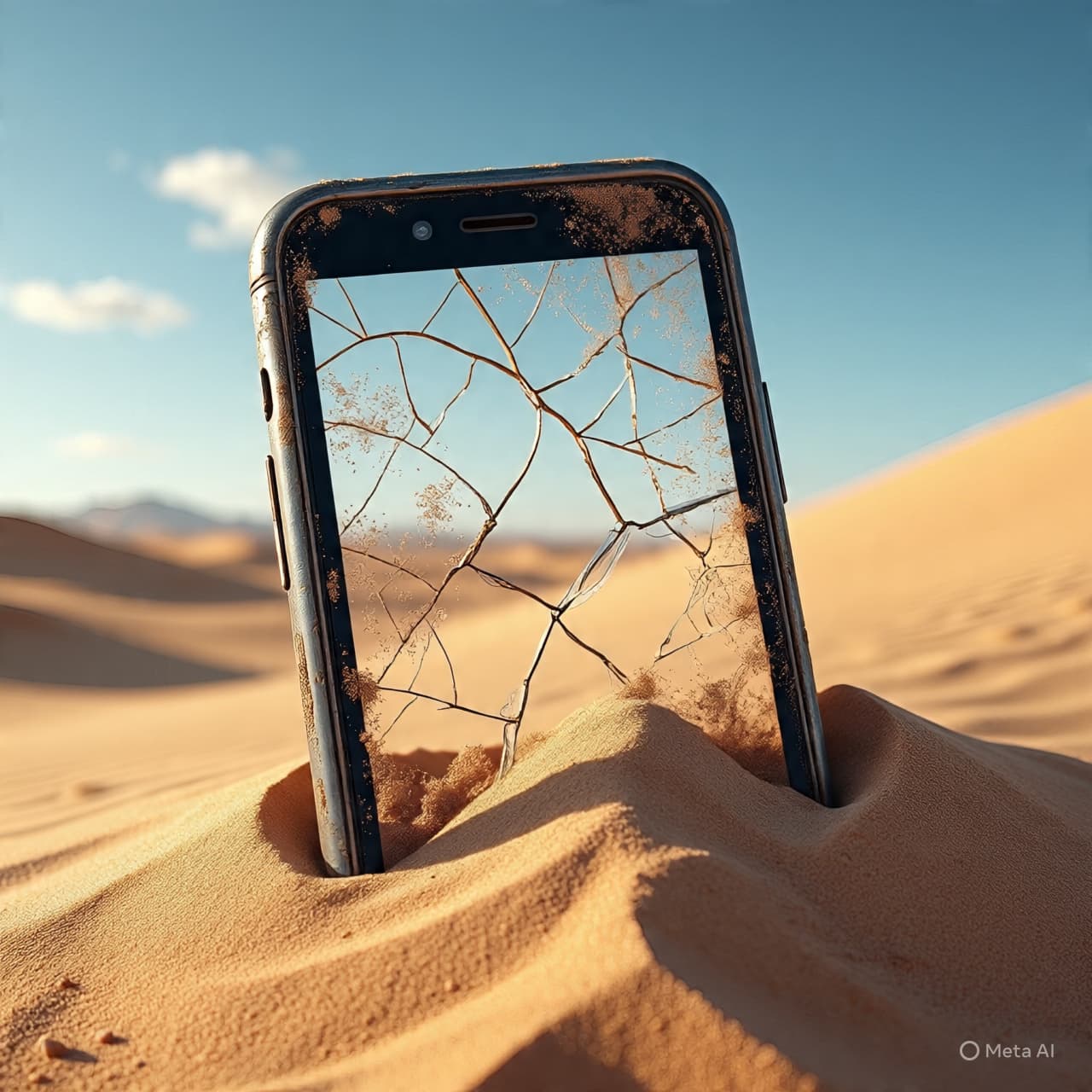
That is the spirit surrounding recent reports of a lost Samsung phone discovered after surviving nearly a decade in harsh desert conditions. Left exposed to relentless heat, sandstorms, and dramatic shifts in temperature, the device endured what many electronics would not. And yet, when found, it was reportedly still capable of powering on.
The phone, produced by , had been misplaced years earlier during travel through an arid region. Desert climates are known for their extremes—blazing daytime temperatures, cold nights, abrasive sand carried by wind. For delicate circuitry, such conditions can be unforgiving. Moisture can corrode, heat can warp components, and fine particles can infiltrate even tightly sealed casings.
And yet this particular handset, though visibly weathered, appears to have withstood those elements. Reports suggest that once rediscovered, the device was charged and brought back to life, revealing stored photographs and data preserved from a different chapter of its owner’s life. What had seemed lost to time was instead quietly waiting beneath layers of sand and memory.
In an era where smartphones are often replaced every few years—sometimes sooner—the story carries a gentle irony. Devices marketed for sleekness and speed are rarely praised for longevity. Planned upgrades, evolving software ecosystems, and shifting consumer expectations have shaped a rhythm of frequent renewal. Durability, while valued, is not always the headline feature.
Still, the endurance of this Samsung phone invites reflection on design, material engineering, and perhaps even a measure of luck. Modern smartphones, particularly those released in the past decade, increasingly feature water resistance ratings, strengthened glass, and reinforced frames. While no manufacturer claims immunity to years in a desert, such stories highlight how far consumer electronics have advanced in resilience.
It also serves as a reminder of the emotional weight devices carry. Beyond processors and screens, smartphones store images of milestones, conversations with loved ones, fragments of daily life. To recover a device after so many years is not simply to retrieve hardware—it is to reopen a window into the past.
Of course, survival in extreme conditions may depend on many variables: the specific model, how it was positioned when lost, the degree of exposure, and environmental nuances. Not every device would fare the same. But stories like this resonate because they blend technology with human narrative. A forgotten object becomes a bridge between then and now.
Samsung has not framed the incident as a formal durability benchmark, nor does it redefine standard expectations for electronic longevity. It remains an anecdote—remarkable, but individual. Still, it underscores the surprising resilience that can sometimes lie beneath tempered glass and aluminum frames.
The phone has since been reunited with its owner, its contents reportedly intact. For a device once left to the desert’s silence, that quiet return feels less like a technical feat and more like a small, unexpected grace.
AI Image Disclaimer: Illustrations were produced with AI and serve as conceptual depictions.
Sources (Media Names Only): BBC News The Guardian The Independent TechRadar Android Authority
Published by Banx Network. This article is part of the Banx decentralized media programme, powered by the BXE token on the XRP Ledger.