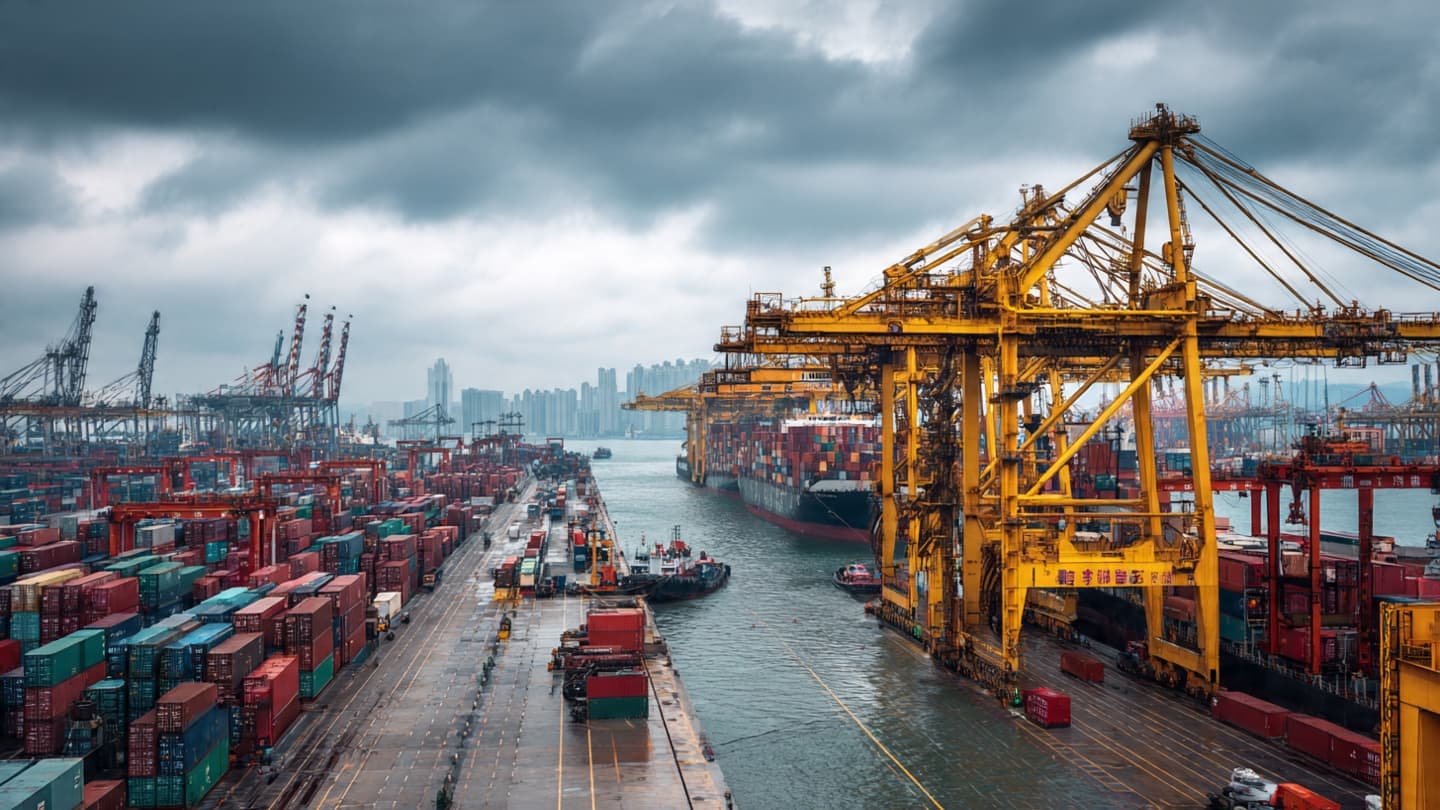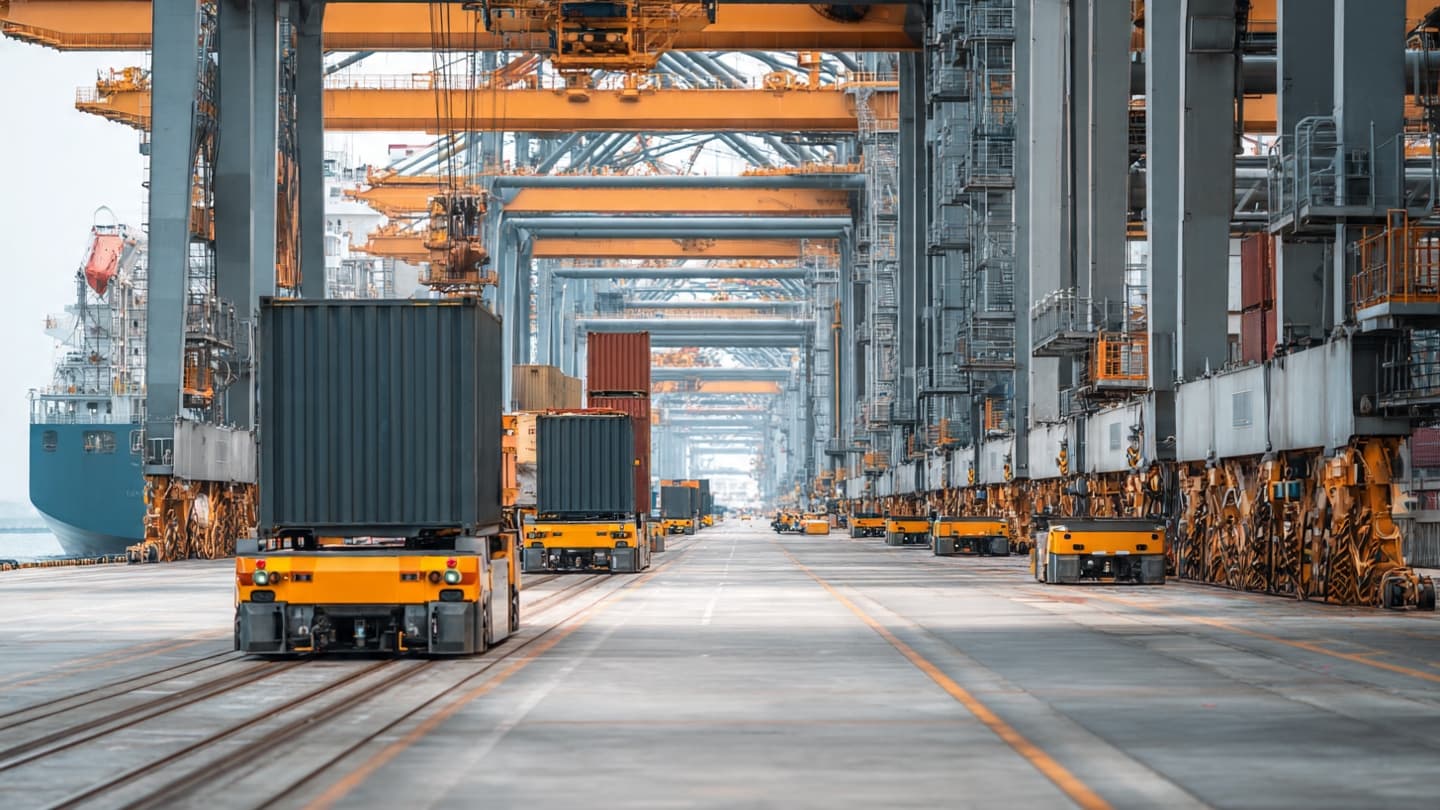
At Singapore's port, the movement of containers follows a rhythm that can appear almost choreographed. Cranes rise and descend, automated vehicles travel between terminals, and ships wait offshore before entering one of the world's busiest maritime gateways. Increasingly, computers are becoming part of that choreography.
Singapore has invested heavily in automation and digital systems as it develops the Tuas Mega Port. The project is designed to consolidate container operations while incorporating automated equipment and advanced technologies into port operations.
The scale of the development reflects Singapore's position in global trade. The city-state has limited land and no large domestic hinterland, making efficient maritime infrastructure essential to its role as a regional and international trading center.
Automation allows containers to be moved with increasing precision. Automated guided vehicles can transport containers around terminals, while digital systems help coordinate equipment, cargo movements, and vessel operations.
Data is becoming another important resource. Information about ships, containers, weather, traffic, and terminal capacity can be analyzed to improve scheduling and reduce unnecessary delays.
The technological transition also changes the nature of port employment. Some traditional manual tasks are gradually being replaced or assisted by machines, while demand increases for engineers, technicians, software specialists, and workers capable of managing automated systems.
Singapore's logistics ecosystem extends beyond the port itself. Warehouses, freight companies, shipping agents, customs systems, airports, and distribution centers all depend on reliable information and transportation networks.
The development of digital trade infrastructure has become increasingly important as global supply chains become more complex. Companies want to know where goods are, when they will arrive, and whether disruptions could affect production schedules.
Singapore's location remains one of its greatest advantages. Situated along major maritime routes connecting Asia with Europe and the Middle East, the country is positioned to benefit from continued global shipping activity.
The future of Singapore's port is therefore not simply about handling more containers. It is about making the movement of those containers faster, more coordinated, and increasingly automated. Beneath the cranes and ships, a digital infrastructure is quietly becoming as important as the physical one.
AI IMAGE DISCLAIMER
The illustrations are AI-generated conceptual representations of Singapore’s port and logistics infrastructure and are not real photographs.
SOURCES
Maritime and Port Authority of Singapore PSA Singapore The Straits Times Reuters
Published by Banx Network. This article is part of the Banx decentralized media programme, powered by the BXE token on the XRP Ledger.