Across Germany's industrial heartland, factory gates open each morning much as they have for generations. Trucks arrive, machinery begins moving, and production lines settle into their familiar rhythm. Yet beneath that routine lies a more uncertain question: how strong will demand be in the months ahead?
Germany's manufacturing sector has faced a prolonged period of weakness, particularly in industries dependent on exports and energy-intensive production. Factory orders, industrial output, and business confidence have moved unevenly as companies contend with changing global demand.
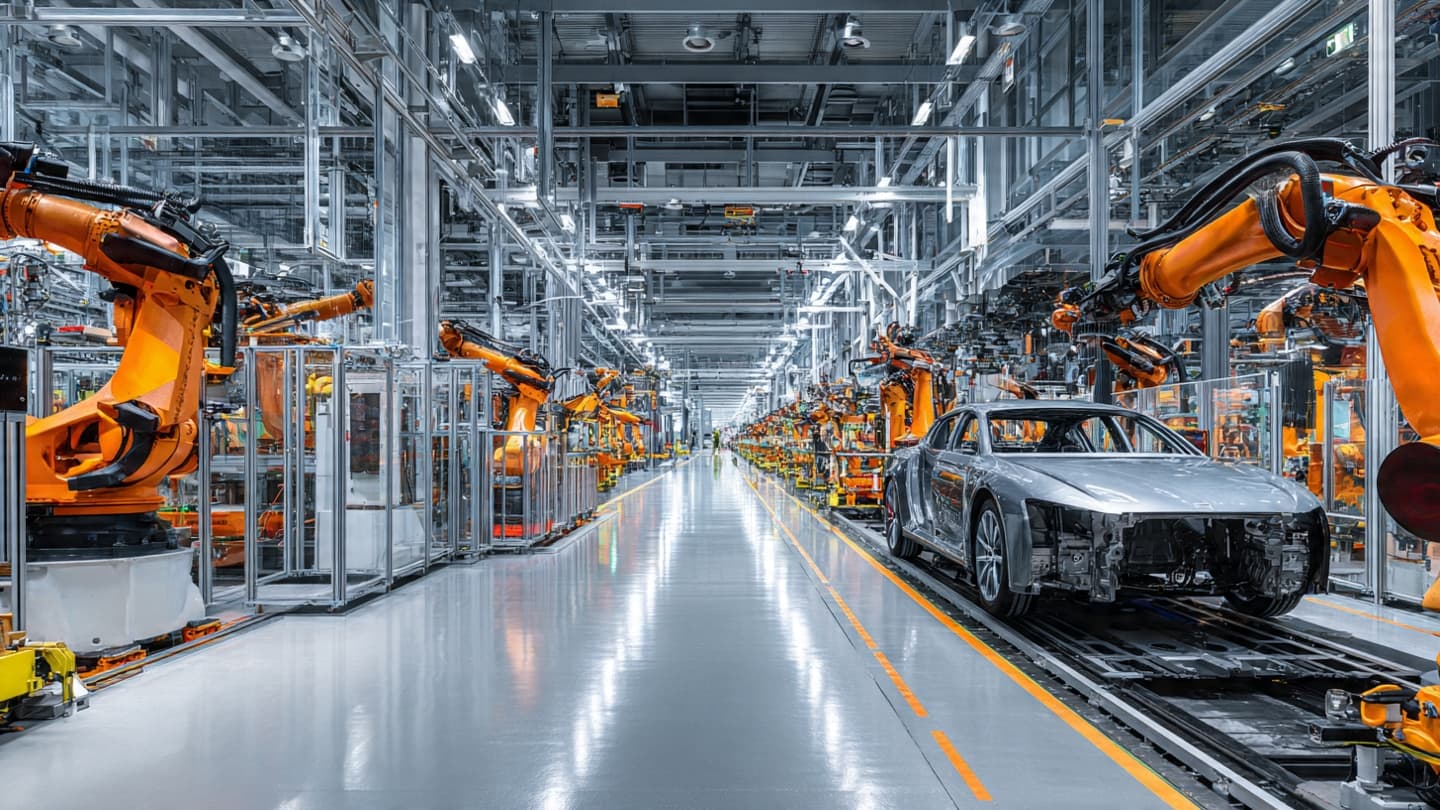
The automobile industry remains one of the clearest examples. German manufacturers continue investing heavily in electric vehicles and new technologies while simultaneously managing weaker demand for some traditional models and increasing competition from Asian producers.
Energy costs remain another concern. Germany's industrial economy historically benefited from relatively accessible energy, particularly natural gas, but the disruption of European energy markets changed the cost structure for many factories.
The effects extend beyond individual companies. Germany has one of Europe's most extensive networks of specialized suppliers, meaning changes in automotive, machinery, chemicals, and electronics production can influence thousands of smaller businesses.
Export demand is also critical. German manufacturers depend heavily on international markets, particularly across Europe, Asia, and North America. Slower economic growth abroad can therefore affect German factories even when domestic conditions remain relatively stable.
At the same time, some sectors continue to attract investment. Semiconductor production, renewable energy equipment, defense-related manufacturing, battery technology, and industrial automation are creating new opportunities within Germany and the broader European market.
This creates an industrial landscape where decline and transformation can exist simultaneously. Some traditional factories are reducing capacity or restructuring, while newer facilities are being built around technologies expected to shape future production.
For workers and communities, these changes can be gradual but significant. A decision to close one production line or establish another can affect suppliers, transportation companies, local employment, and surrounding businesses.
Germany's industrial sector therefore enters September with no single story defining its direction. Weak demand remains a concern, while investment in new technologies offers another path. The coming months will show whether stronger orders can emerge strongly enough to stabilize the country's manufacturing base.
AI IMAGE DISCLAIMER
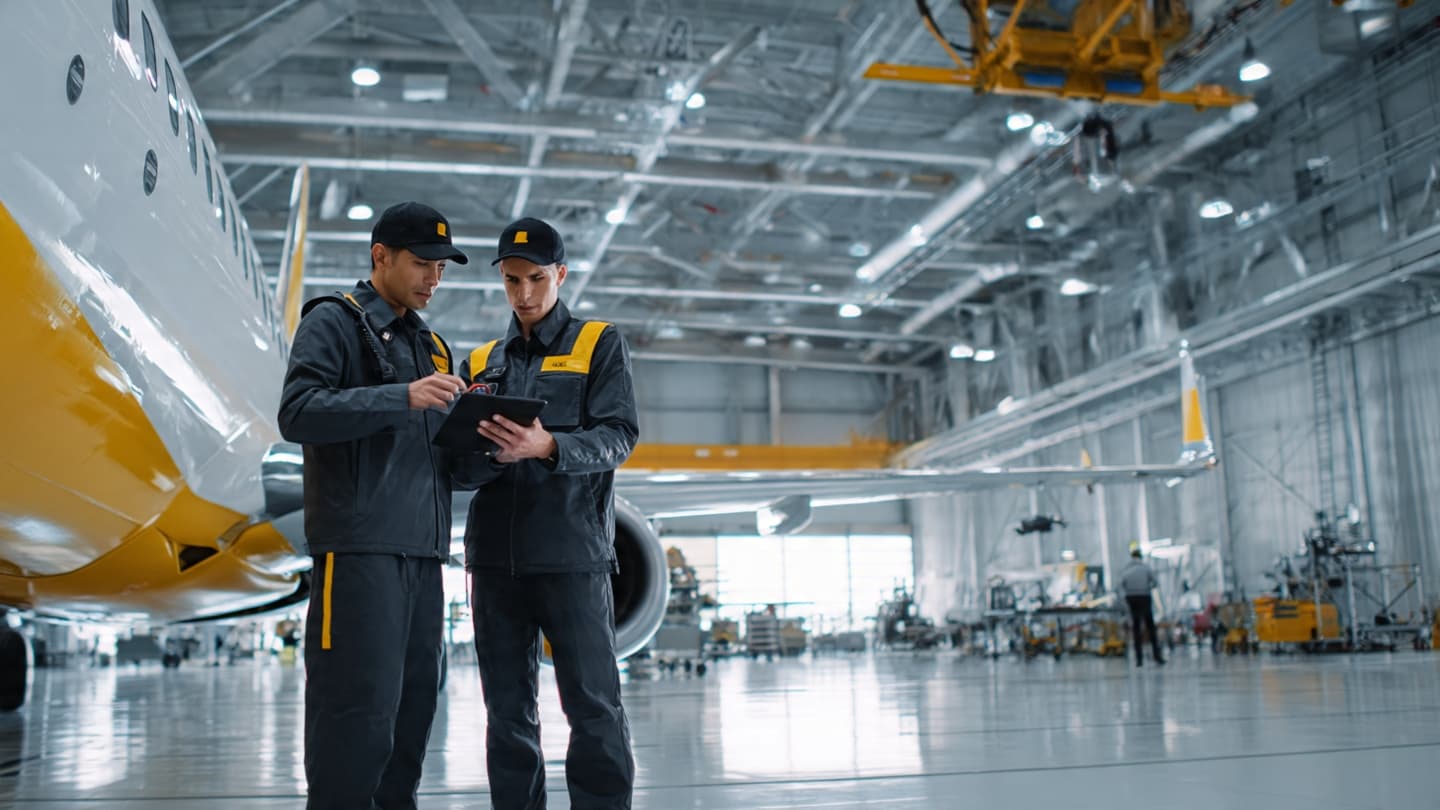
The visuals were generated with AI as conceptual representations of Germany’s industrial economy and are not real photographs.
SOURCES
Reuters Destatis ifo Institute
Published by Banx Network. This article is part of the Banx decentralized media programme, powered by the BXE token on the XRP Ledger.