
Key Highlights
- Reduced Train Services:Auckland's City Rail Link will open with fewer peak-hour services than previously trialed.
- Operational Readiness:The cautious approach is due to staffing and system integration challenges.
- Gradual Capacity Increase:Full service levels are expected to be introduced in stages as the network stabilizes.
Auckland's City Rail Link, a significant infrastructure project, is poised to open its doors to the public soon, yet it will do so with a more measured approach than initially anticipated. As the city prepares for this transformative addition to its transport network, the reality of reduced peak-hour train services has emerged, prompting a reassessment of expectations.
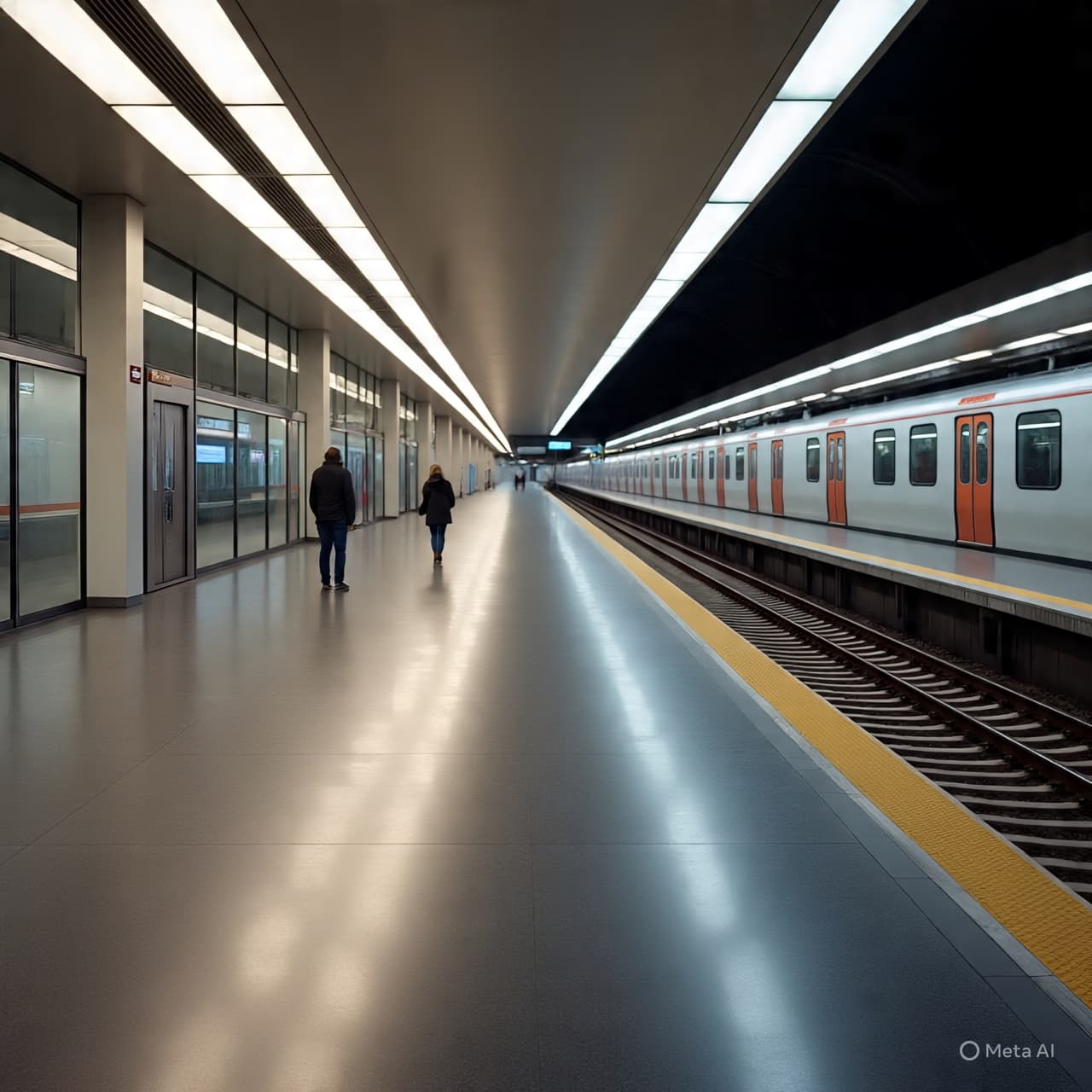
Deep beneath the bustling streets of Auckland, the City Rail Link has been meticulously constructed, with platforms and tracks ready for operation. However, as the opening date approaches, transport authorities have confirmed that the frequency of trains during peak hours will be lower than what was experienced during trial operations. This decision, while not drastic, reflects a cautious strategy aimed at ensuring operational readiness and safety.
During the trial phases, the network showcased its potential with higher-frequency services, offering a glimpse into a future where commuters could enjoy reduced wait times and a seamless travel experience. However, the initial rollout will prioritize stability over speed, as the transport authorities work to integrate systems and ensure that all operational aspects are functioning as intended.
The decision to limit peak-hour services stems from various factors, including staffing levels and the reliability of the network. Transport officials have emphasized that these measures are necessary to build trust among passengers and ensure that the system operates smoothly from the outset. Commuters may notice longer intervals between trains and less crowded platforms, a stark contrast to the bustling environment envisioned during the project's planning stages.
Despite these initial limitations, the City Rail Link remains a pivotal development for Auckland's transport landscape. By connecting key areas of the rail network through the city center, it promises to reduce travel times and alleviate congestion on the roads. The long-term vision for the project is still intact, with expectations that service levels will gradually increase as the network stabilizes and operational challenges are addressed.
In the early days of operation, the focus will be on ensuring that trains run on time and that passengers can navigate the system with confidence. This foundational phase is critical for establishing a reliable public transport system that Aucklanders can depend on. As the project unfolds, the gradual introduction of additional services will reflect the city's commitment to enhancing its transport infrastructure.
Ultimately, the City Rail Link represents more than just a new transit option; it symbolizes Auckland's evolution as a modern city. While the initial service levels may not meet the lofty expectations set during the project's conception, the promise of a more connected and efficient transport network remains a beacon of hope for commuters and city planners alike.
As Auckland prepares for the City Rail Link's opening, the anticipation is palpable. The project is on track to launch within its planned timeframe, with full capacity expected to be achieved in stages following the initial rollout. The journey towards a transformed transport network is just beginning, and with it comes the potential for a brighter commuting future.
Published by Banx Network. This article is part of the Banx decentralized media programme, powered by the BXE token on the XRP Ledger.



