Some health risks do not announce themselves with pain or urgency. They move quietly, almost politely, alongside treatments that promise improvement. For many people using GLP-1 medications, the focus is often on weight loss, blood sugar control, or renewed energy. Yet beneath these visible gains, the body continues its subtle negotiations, sometimes signaling concern only after balance has already begun to shift.
GLP-1 receptor agonists, widely prescribed for type 2 diabetes and increasingly for obesity, work by slowing digestion, reducing appetite, and influencing insulin response. These effects are often beneficial and well documented. However, researchers and clinicians have observed that the same mechanisms can, in certain cases, increase the risk of dehydration, electrolyte imbalance, and gallbladder-related complications. Because appetite and thirst may decline together, some patients unintentionally consume less fluid, allowing dehydration to develop gradually rather than dramatically.
Another concern involves the gallbladder. Rapid weight loss, regardless of method, is known to raise the likelihood of gallstones. Studies have noted a higher incidence of gallbladder events among some GLP-1 users, particularly those experiencing significant and swift reductions in body weight. These issues may surface as abdominal discomfort, nausea, or fatigue, symptoms easily mistaken for routine side effects rather than warning signs.
There is also ongoing attention on gastrointestinal slowing. While delayed gastric emptying supports blood sugar control, it may complicate absorption of other medications or worsen underlying digestive conditions. In rare cases, this slowing has been associated with severe nausea or vomiting that persists beyond the early treatment phase, increasing the risk of nutritional deficiencies if not addressed.
Clinicians emphasize that these risks are not inevitable, nor are they reasons for alarm. They are, instead, reminders that powerful therapies require attentive use. Monitoring hydration, maintaining balanced nutrition, and reporting persistent symptoms early are simple but essential safeguards. Most patients tolerate GLP-1 medications well when guided by regular follow-up and individualized dosing.
In closing, ongoing research continues to refine how these medications are prescribed and monitored. Regulatory agencies and medical societies advise awareness rather than avoidance. For patients already using GLP-1 therapies, the message remains measured and clear: benefits are real, risks exist, and careful observation allows both to be held in view without fear.
AI Image Disclaimer
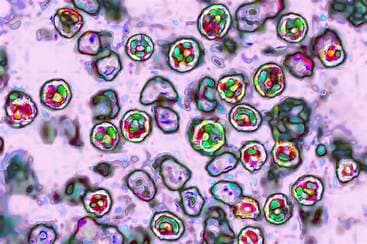
Images in this article are AI-generated illustrations, meant for concept only.
Source Check (Credible Media & Journals) Strong, credible sources exist for this topic:
1. New England Journal of Medicine 2. JAMA (Journal of the American Medical Association) 3. FDA (U.S. Food and Drug Administration) 4. The Lancet Diabetes & Endocrinology 5. Mayo Clinic
Published by Banx Network. This article is part of the Banx decentralized media programme, powered by the BXE token on the XRP Ledger.