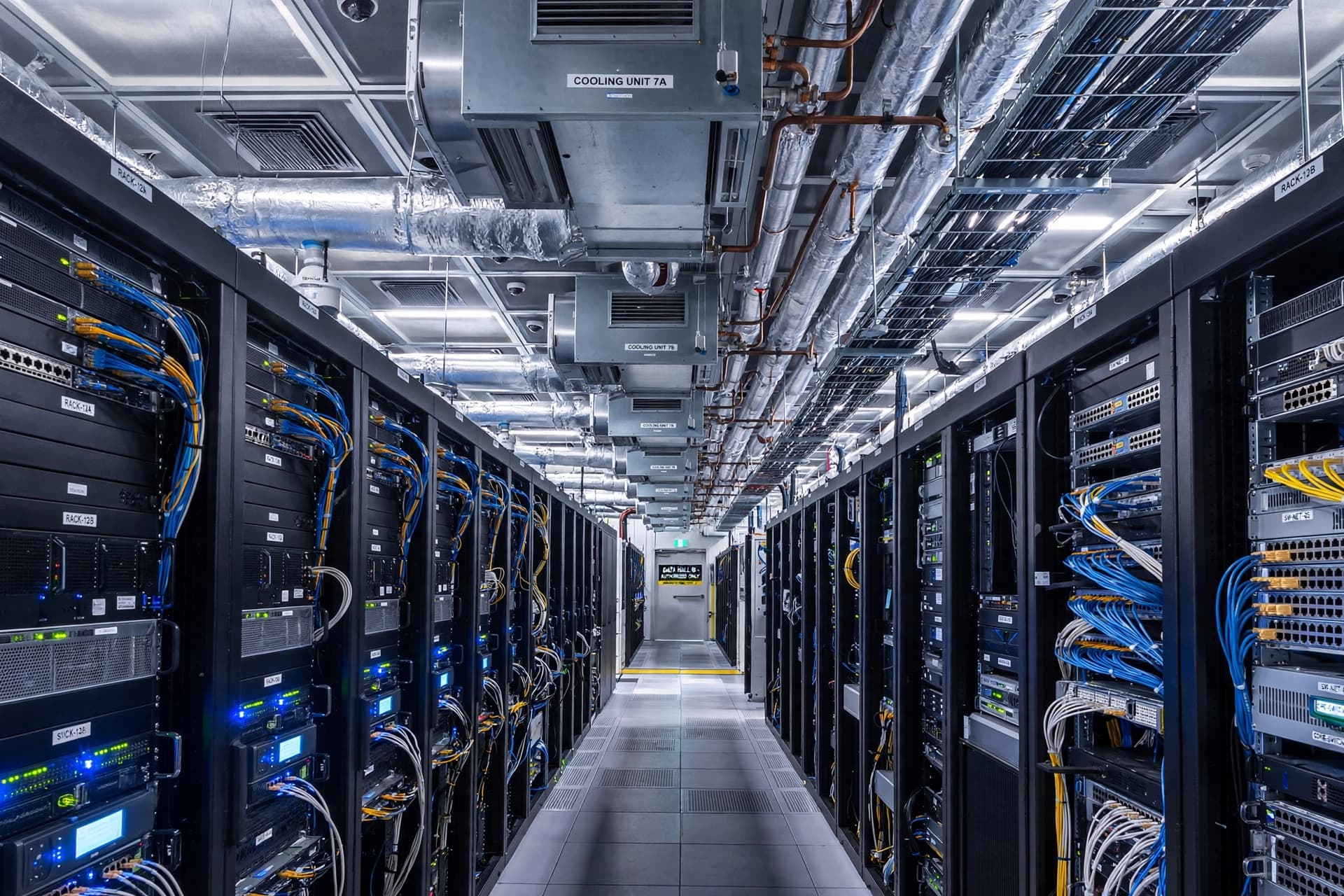
A data center can look quiet from the outside. Large buildings stand behind security fences, their walls revealing little about the enormous amount of computing taking place inside. Yet behind those walls, thousands of servers can operate continuously, turning electricity into information around the clock.
The expansion of artificial intelligence has made these facilities increasingly important to the American economy. Training and operating sophisticated AI systems requires large amounts of computing power, and that computing power ultimately depends on a steady supply of electricity.
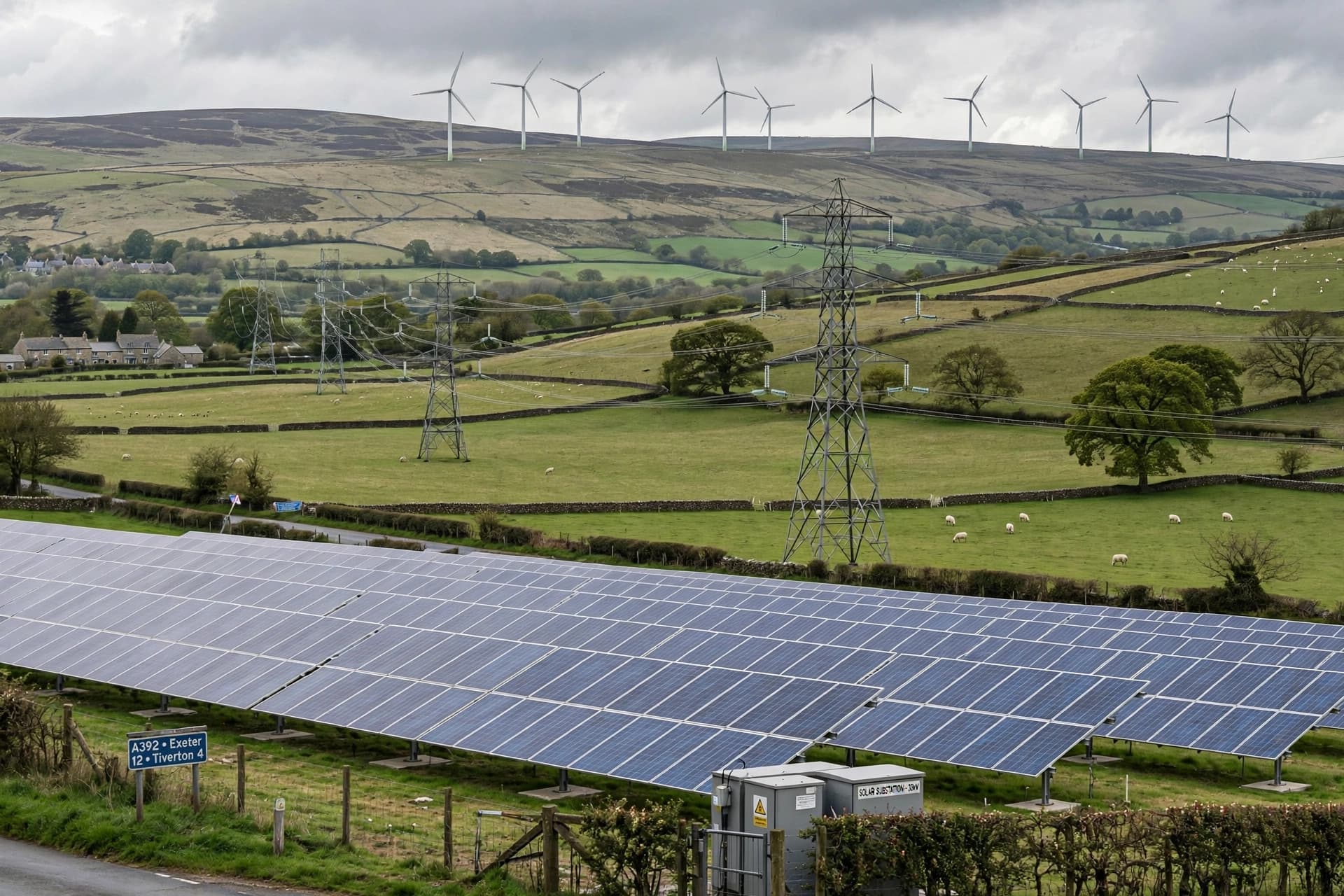
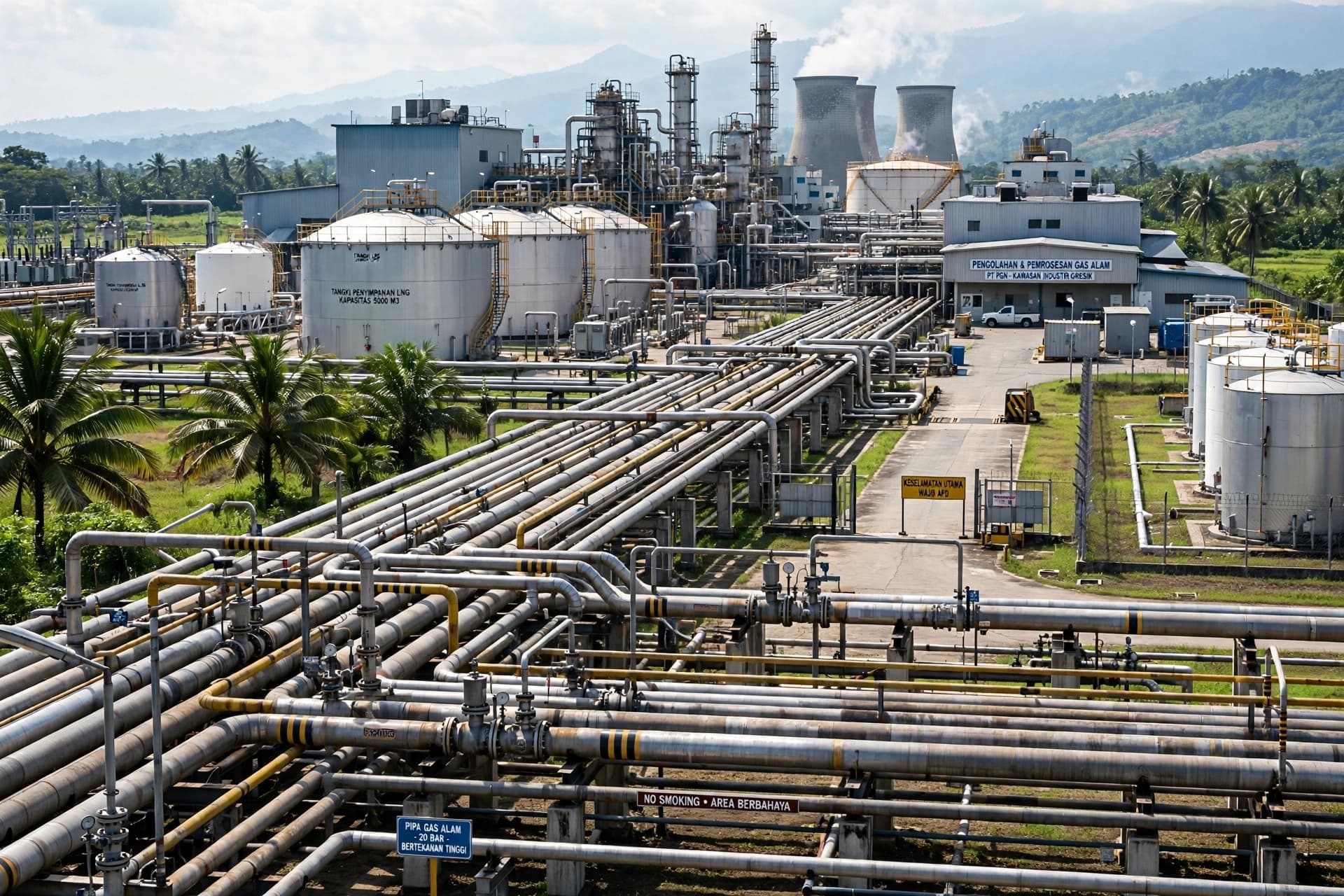
For years, data centers were largely viewed as part of the technology sector. Increasingly, however, their physical requirements have brought them closer to the world of industrial infrastructure. Developers must consider electricity generation, transmission capacity, cooling systems, land availability and access to reliable networks before a major facility can begin operating.
The change is particularly visible in regions that have attracted large technology investments. Areas with abundant power, fiber-optic connections and suitable land have become important destinations for data-center development.
The electricity demand can be substantial. Individual facilities may consume as much power as a small city, depending on their size and computing workload. When several projects are developed within the same region, utilities may need to plan new generation and transmission capacity to accommodate the additional load.
Artificial intelligence is adding another layer to that demand. AI systems require specialized processors that can operate continuously during training and inference. The resulting heat must also be removed, meaning data centers require sophisticated cooling systems that add to their overall energy requirements.
For power companies, the arrival of large technology customers can create opportunities for investment. New demand can support additional generation projects and transmission infrastructure, but utilities must also consider how quickly demand will materialize and whether new facilities can be connected to the existing grid.
That uncertainty has become part of the planning process. Data-center projects can take years to build, while technology markets can change much faster. A facility designed around one generation of computing equipment may eventually operate with substantially different workloads and energy requirements.
Communities hosting these projects are also watching the physical consequences. Data centers can bring construction activity, permanent technical jobs and investment, but they can also create questions about electricity use, land, water and infrastructure capacity.
The result is a gradual merging of two worlds that once seemed distant. The digital economy may operate through invisible streams of data, but its physical foundation remains concrete, steel, cooling equipment, fiber cables and power lines.
As artificial intelligence and cloud computing continue to expand, the data center is becoming an increasingly visible part of America's industrial landscape. Behind every digital service is an energy system, and the future of computing will depend partly on how effectively those two systems grow together.
IMAGE DISCLAIMER
These illustrations are AI-generated conceptual representations and are not photographs of the actual data centers or infrastructure described.
SOURCES
Reuters U.S. Department of Energy International Energy Agency
Published by Banx Network. This article is part of the Banx decentralized media programme, powered by the BXE token on the XRP Ledger.