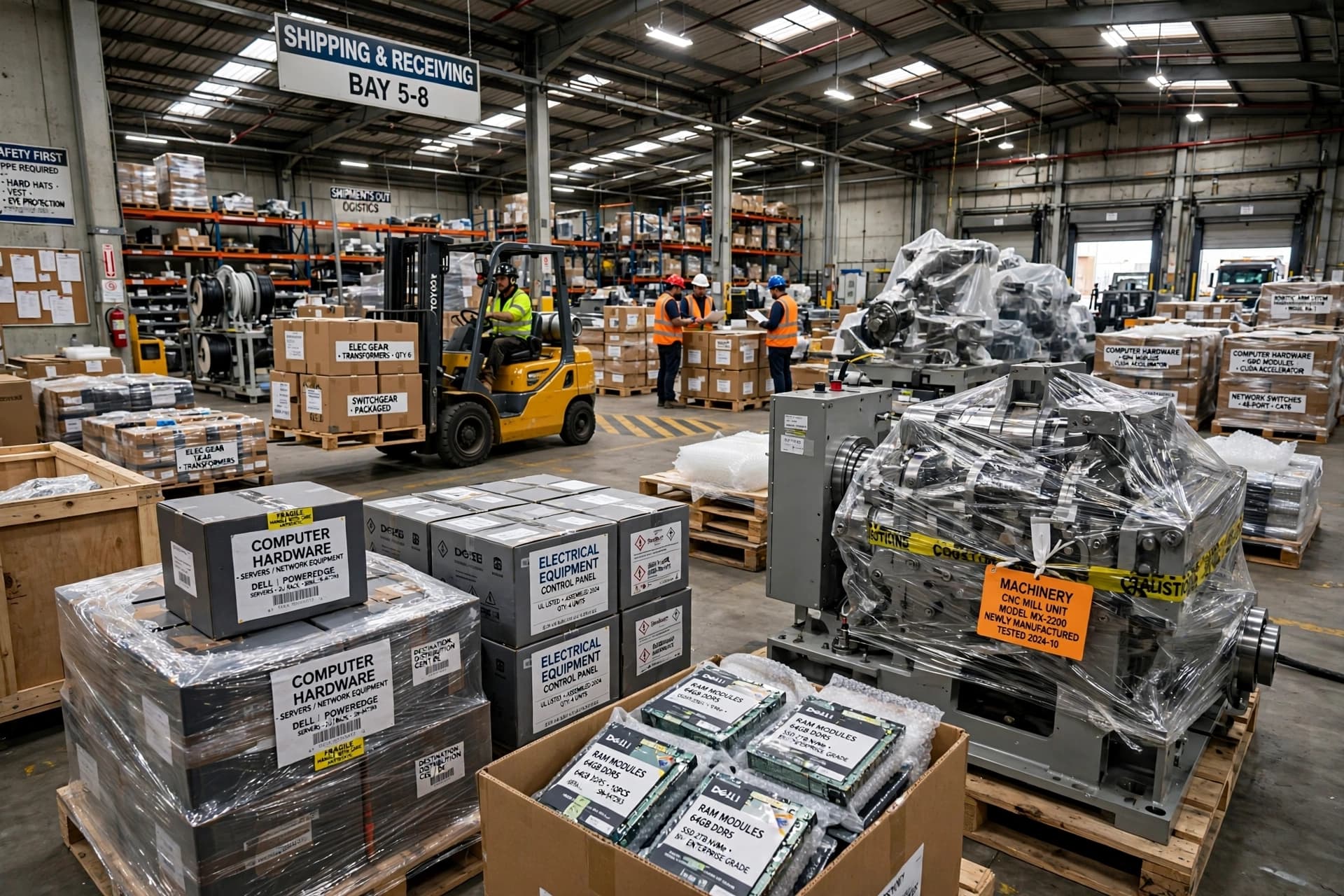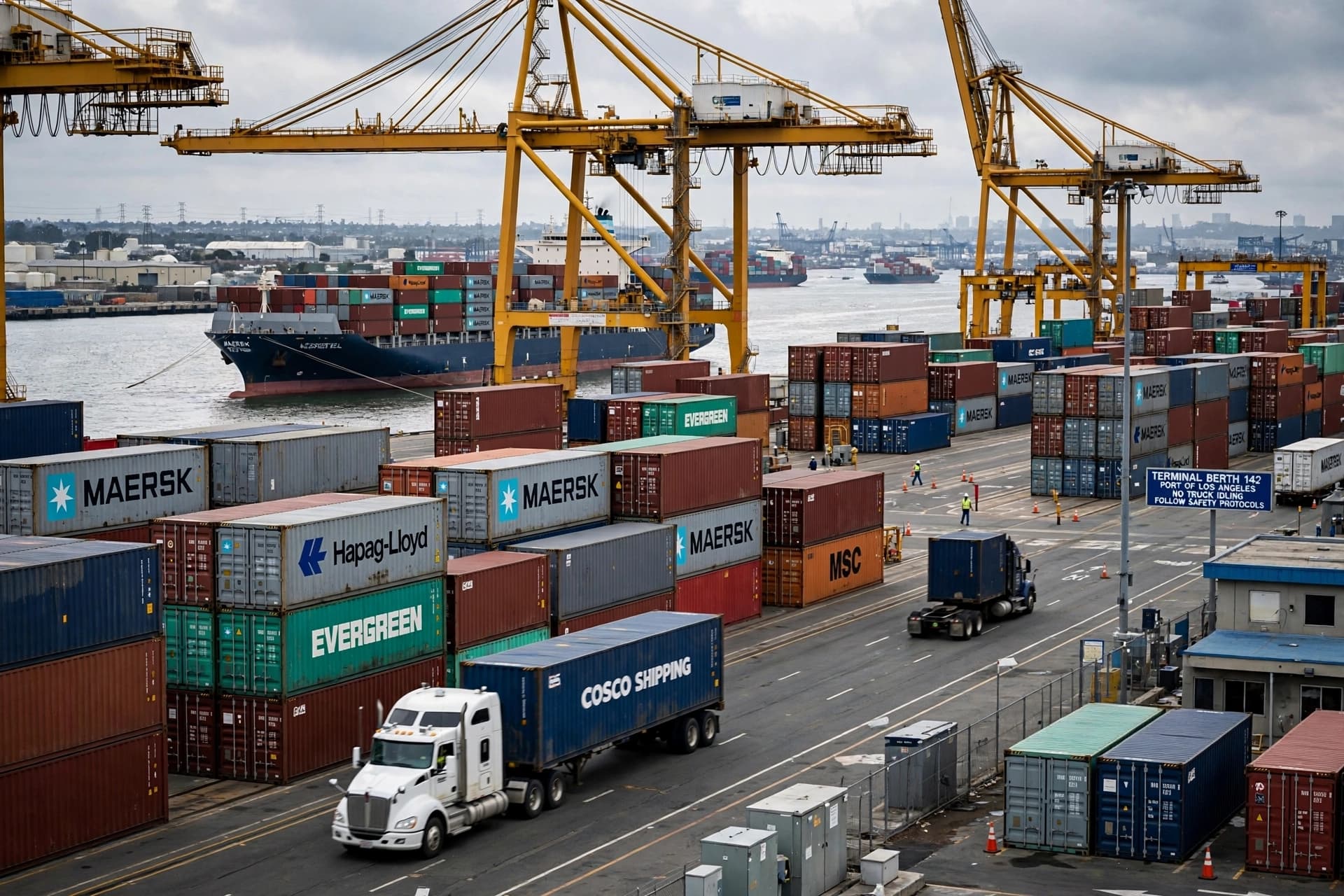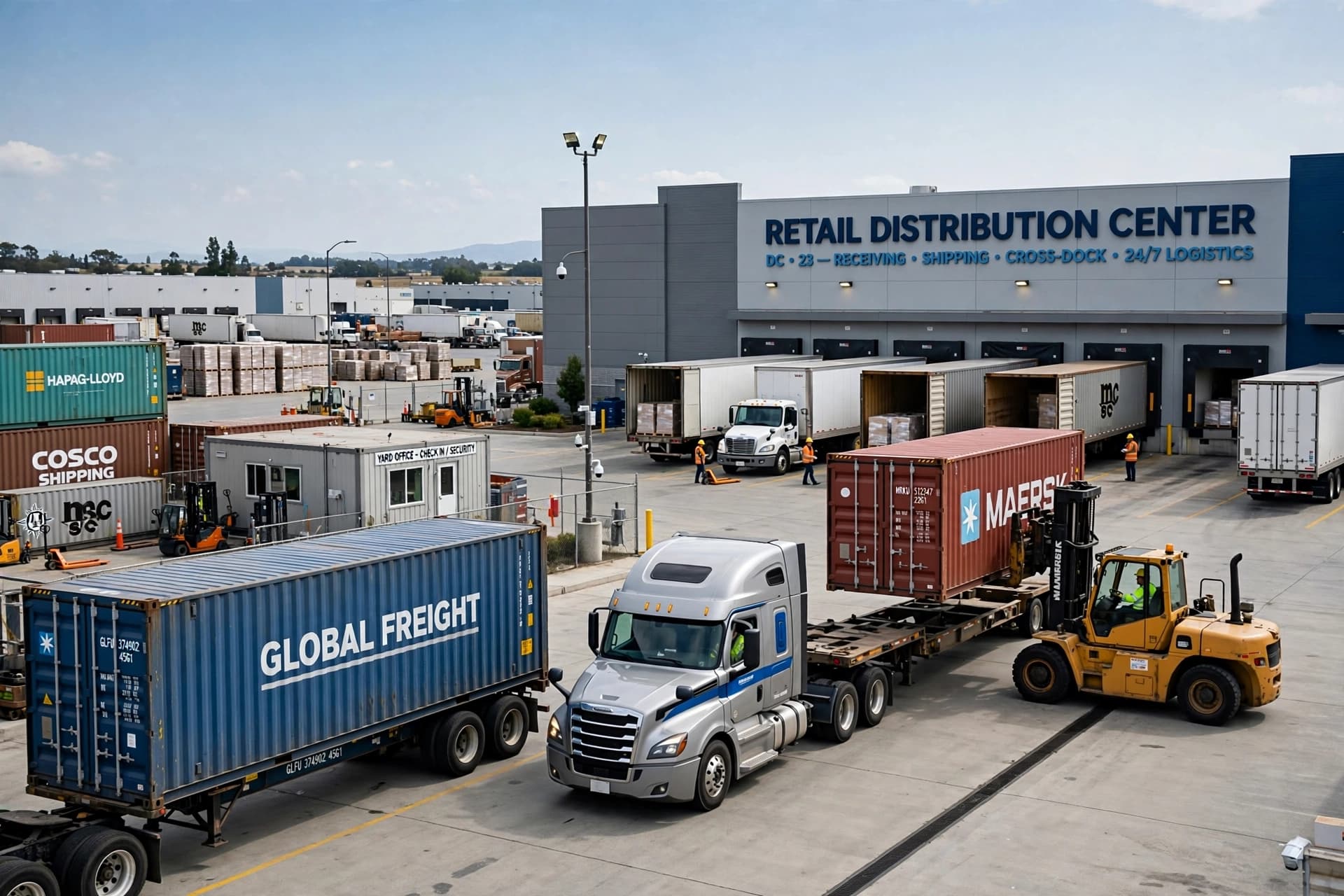
A product sitting quietly on a store shelf may have already traveled thousands of miles before reaching a consumer. Its journey can begin in a factory overseas, continue through a container port and cross an ocean before moving through warehouses and distribution centers.
For American retailers, the cost and reliability of that journey can influence everything from inventory decisions to pricing strategies. Changes in freight rates, shipping routes or port conditions can gradually move through the supply chain.
The modern retail system depends heavily on maritime transportation. Large container ships carry enormous quantities of manufactured goods, connecting production centers in Asia and other regions with American ports.
When shipping routes operate normally, the process can appear almost invisible. Containers are loaded, vessels travel according to established schedules and merchandise eventually reaches warehouses and stores.
Disruptions change that rhythm. Ships may be rerouted, journeys can become longer and transportation companies may need to use alternative routes. Each additional mile can introduce additional fuel, insurance, labor and scheduling costs.
Retailers respond in different ways. Some increase inventories ahead of expected disruptions, while others adjust suppliers or transportation arrangements. Companies with larger logistics networks may have more alternatives, but they also manage much larger volumes of merchandise.
The relationship between transportation and consumer prices is not always direct. A higher shipping cost represents only one part of the final price of a product, alongside manufacturing, labor, storage, distribution, taxes and retail expenses.
Nevertheless, transportation remains an important part of the equation. For products with low margins or long international supply chains, changes in freight costs can become more noticeable.
Ports also play a central role in this system. Modern container terminals depend on cranes, rail connections, highways, warehouses and digital tracking systems. When one part of the network slows down, the effects can move outward to other parts of the supply chain.
Retailers have therefore spent recent years paying closer attention to resilience. Instead of relying on a single supplier or transportation route, companies increasingly consider alternative sources and logistics arrangements.
The result is a retail landscape in which the distance between a factory and a consumer matters more than it appears. Behind every container is a chain of decisions about where goods are produced, how they are transported and when they arrive.
As global commerce continues moving across oceans, American retailers remain connected to those distant routes. The shelves inside stores may feel local, but the journey behind them is often international, stretching from factories and ports to warehouses and finally into the hands of consumers.
IMAGE DISCLAIMER
These visuals are AI-generated conceptual illustrations and are not photographs of the actual shipping or retail activity.
SOURCES
Reuters U.S. Census Bureau U.S. Department of Transportation International Maritime Organization
Published by Banx Network. This article is part of the Banx decentralized media programme, powered by the BXE token on the XRP Ledger.