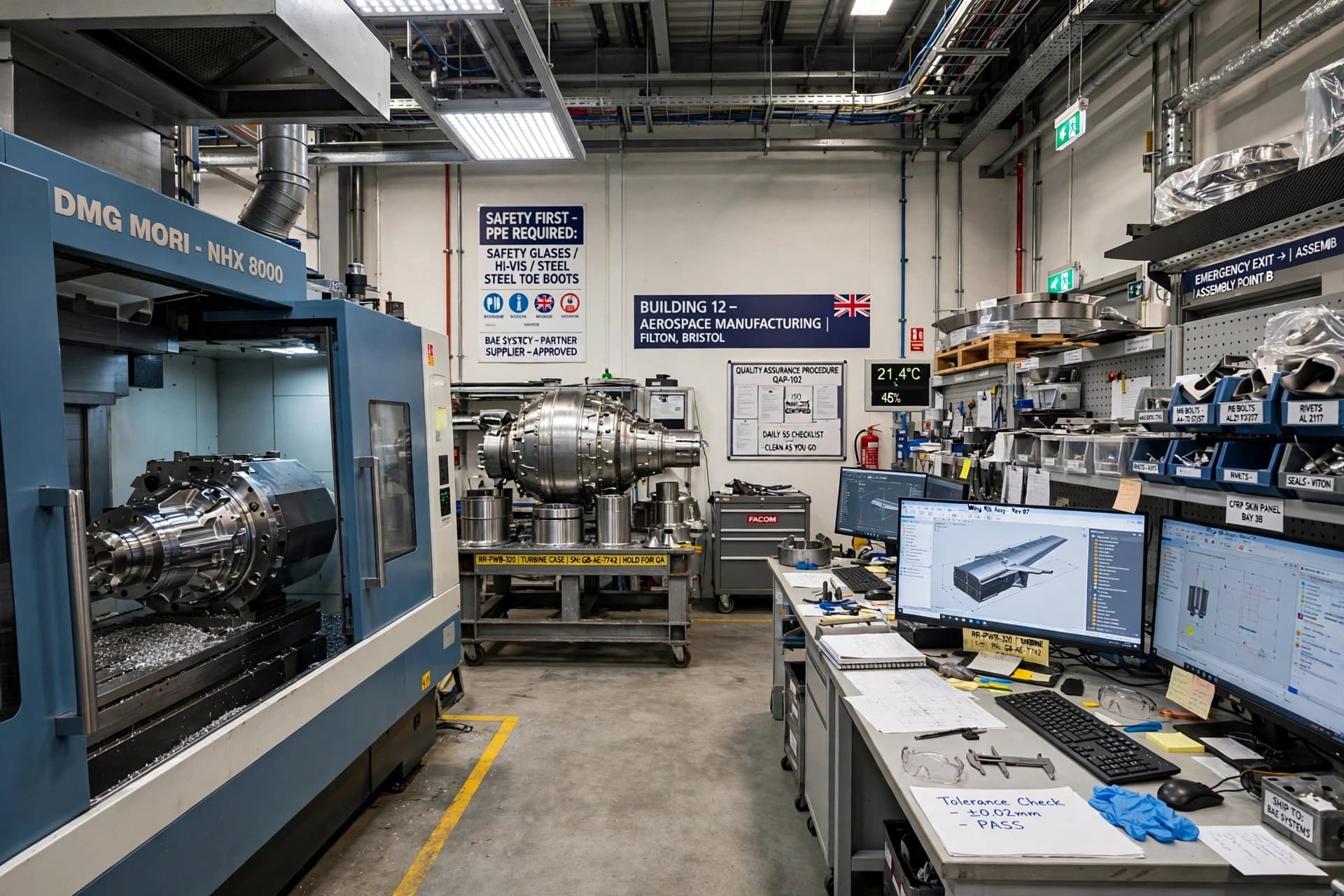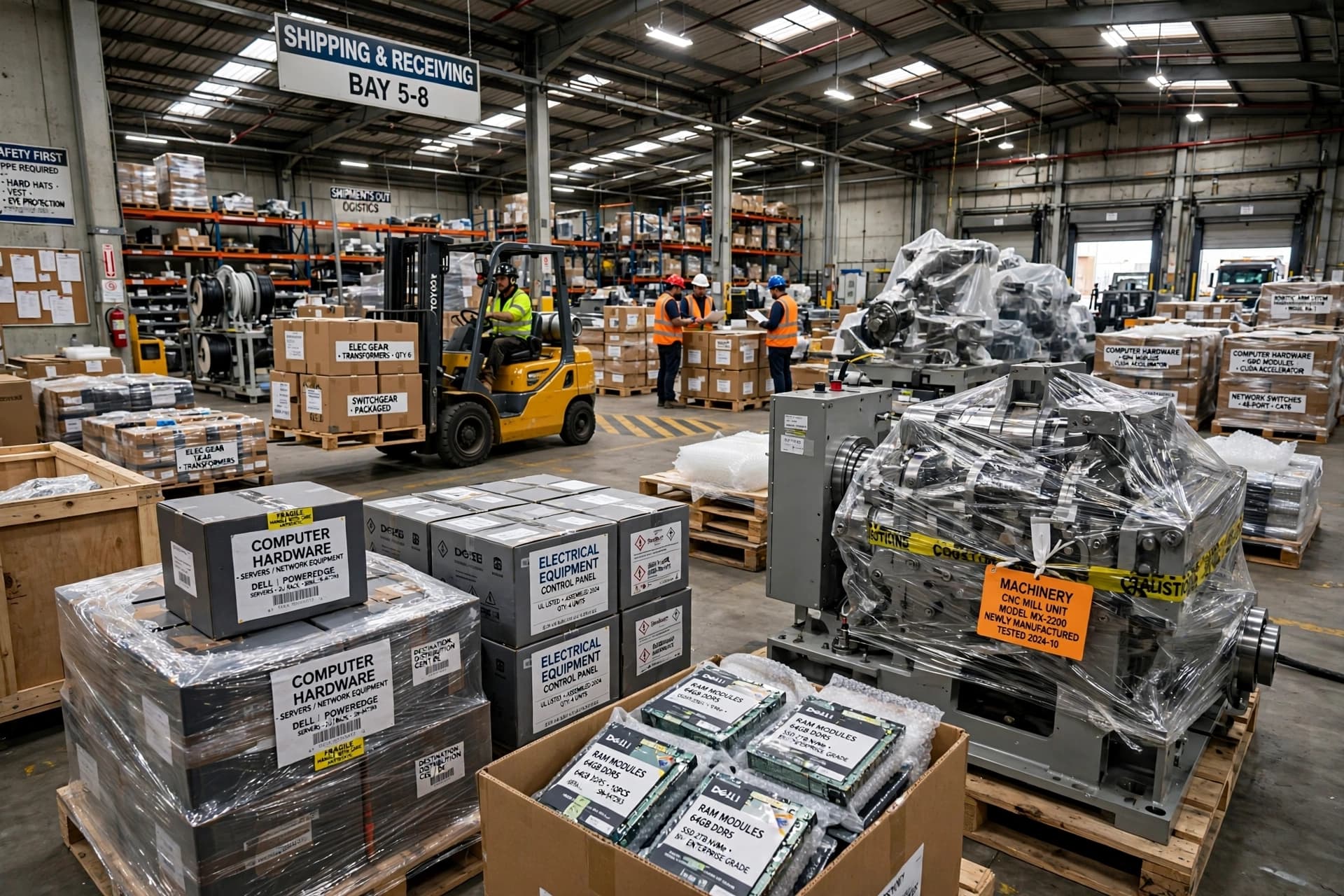
Economic momentum is sometimes easier to see on a factory floor than on a financial chart. A new machine arriving at a plant, equipment being installed, or a shipment leaving a warehouse can quietly reveal how companies are preparing for the months ahead.
In August, those movements became visible through U.S. government data showing stronger-than-expected orders for key capital goods. Orders for non-defense capital goods excluding aircraft, a closely watched measure of business equipment spending, increased 1.6%.
The increase was significantly above the 0.5% rise economists had expected. July's figure was also revised upward, with orders now estimated to have increased 0.6% rather than remaining unchanged. The data provided another indication that businesses continued to invest despite a complicated economic environment.
Capital goods cover the machinery and equipment companies use to produce other goods and services. When businesses place larger orders, they are effectively committing money toward future productive capacity. For economists, the figures can therefore offer an important window into corporate confidence and investment plans.
Artificial intelligence has become an increasingly visible part of that investment story. Orders for computers increased 1.5% in August, while orders for communications equipment also increased. Year over year, core capital goods orders were up 10.6%, according to Reuters.
The AI infrastructure boom has created demand across a broad industrial chain. Data centers require servers, networking equipment, electrical systems and cooling infrastructure. As companies expand computing capacity, suppliers across those industries can experience increased demand.
Machinery orders also rose during August, increasing 1.1%. Electrical equipment, appliances and components recorded a similar 1.1% increase. The figures showed that the investment story extended beyond computers alone, although not every manufacturing category experienced growth.
Shipments of core capital goods, another measure used to assess business equipment spending in gross domestic product calculations, increased 0.6% during the month. That followed a 1.4% rise in July, suggesting that equipment spending remained an important contributor to economic activity.
Yet the path ahead is not without complications. Higher oil prices, elevated interest rates and geopolitical uncertainty can all influence corporate spending decisions. Businesses may continue investing in areas considered essential while becoming more selective about other projects as financing and operating costs change.
For now, August's data offers a picture of an American business sector that continued to purchase equipment at a solid pace. The rise in capital goods orders, supported partly by demand associated with AI infrastructure, indicates that investment remained an important part of the U.S. economic landscape.
The latest figures showed that U.S. core capital goods orders increased 1.6% in August, exceeding expectations and following an upward revision for July. Economists and investors will continue watching whether this investment momentum persists as businesses respond to changing energy prices, interest rates and demand.
Image Disclaimer
The illustrations accompanying this article are AI-generated representations created for visual context and are not actual photographs.
Sources
Reuters
Published by Banx Network. This article is part of the Banx decentralized media programme, powered by the BXE token on the XRP Ledger.