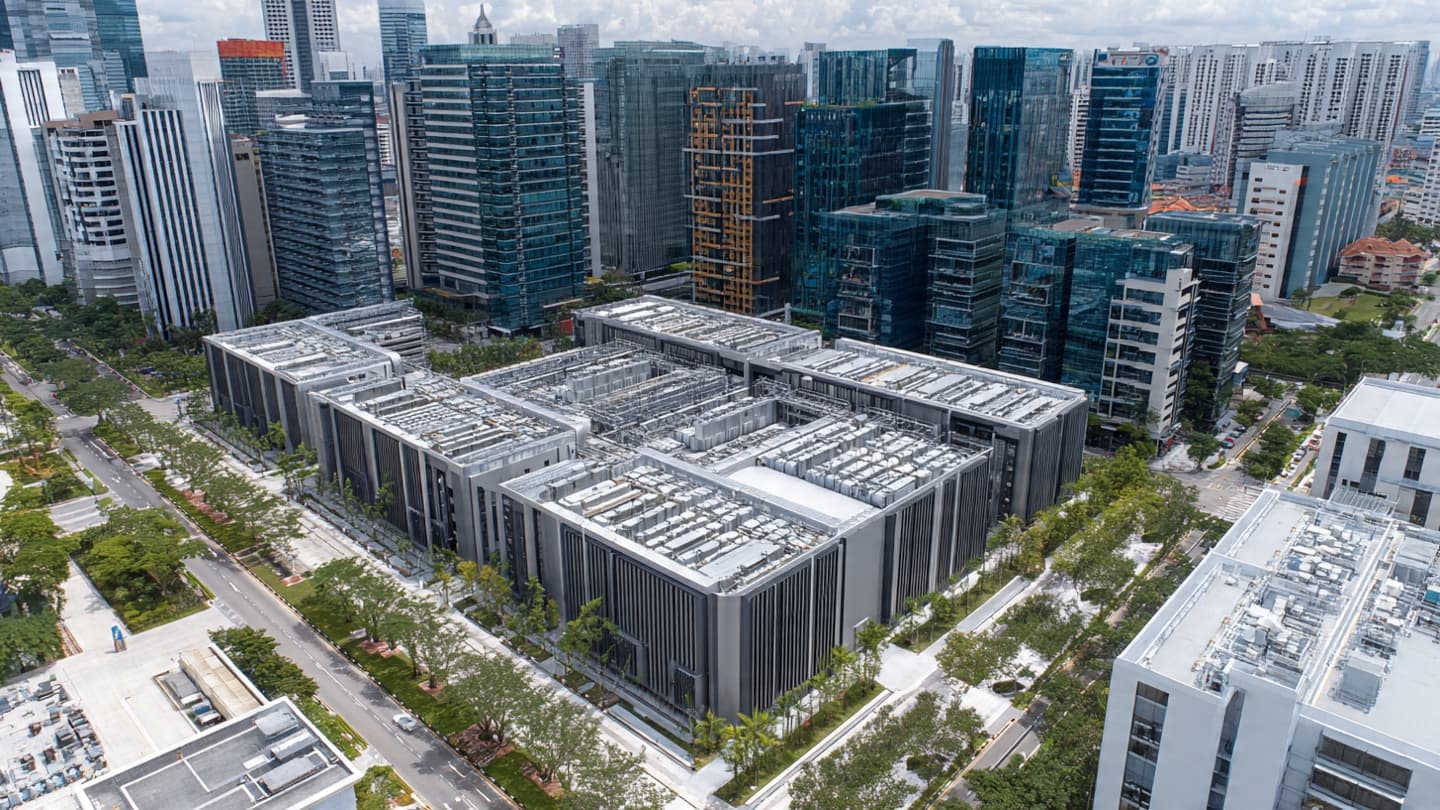
Singapore has always been a place where physical space is measured carefully. On an island of limited land, roads, buildings, ports and industrial facilities share a landscape that leaves little room for waste. In recent years, another form of infrastructure has been claiming part of that landscape: the enormous buildings filled with computers that quietly keep the digital economy moving.
The latest expansion adds another 200 megawatts of data-center capacity. Singapore selected four operators for the additional capacity as the country continues positioning itself as a regional hub for artificial intelligence and digital infrastructure.
The decision arrives at a time when demand for computing power is changing rapidly. Artificial intelligence requires large quantities of processing capacity, and that capacity must be supported by electricity, cooling systems, telecommunications networks and carefully managed physical facilities.
Singapore’s approach reflects the particular constraints of its geography. Unlike countries with vast areas of inexpensive land, the city-state must balance digital expansion with competing demands for housing, industry, transportation and environmental management.
Energy is therefore central to the equation. A data center can occupy a relatively compact physical footprint while consuming substantial amounts of electricity. The question of how that power is generated and supplied has become increasingly important as operators seek to expand while managing environmental requirements.
Equinix, one of the companies operating data centers in Singapore, signed its fourth solar power purchase agreement in the country within two years, according to Reuters. The agreement with Flo Energy Singapore forms part of the company’s efforts to increase renewable energy use in its operations.
The development illustrates the two sides of Singapore’s digital expansion. More computing capacity creates opportunities for technology companies and businesses that rely on cloud infrastructure, but it also increases demand for electricity and other physical resources.
Singapore’s government has been attempting to manage that balance through controlled allocation of data-center capacity. Rather than allowing unlimited expansion, new capacity can be tied to requirements involving efficiency, sustainability and the broader needs of the national infrastructure system.
The 200 MW allocation therefore represents more than additional server space. It is another step in deciding how much of Singapore’s limited physical and energy resources should be devoted to the digital economy and how that expansion can coexist with the island’s other demands.
For now, four operators have been selected for the new capacity as Singapore continues building its position in regional digital infrastructure. Behind the server racks and network connections, the larger challenge remains familiar: finding enough land, electricity and cleaner energy to support a digital economy that continues to grow.
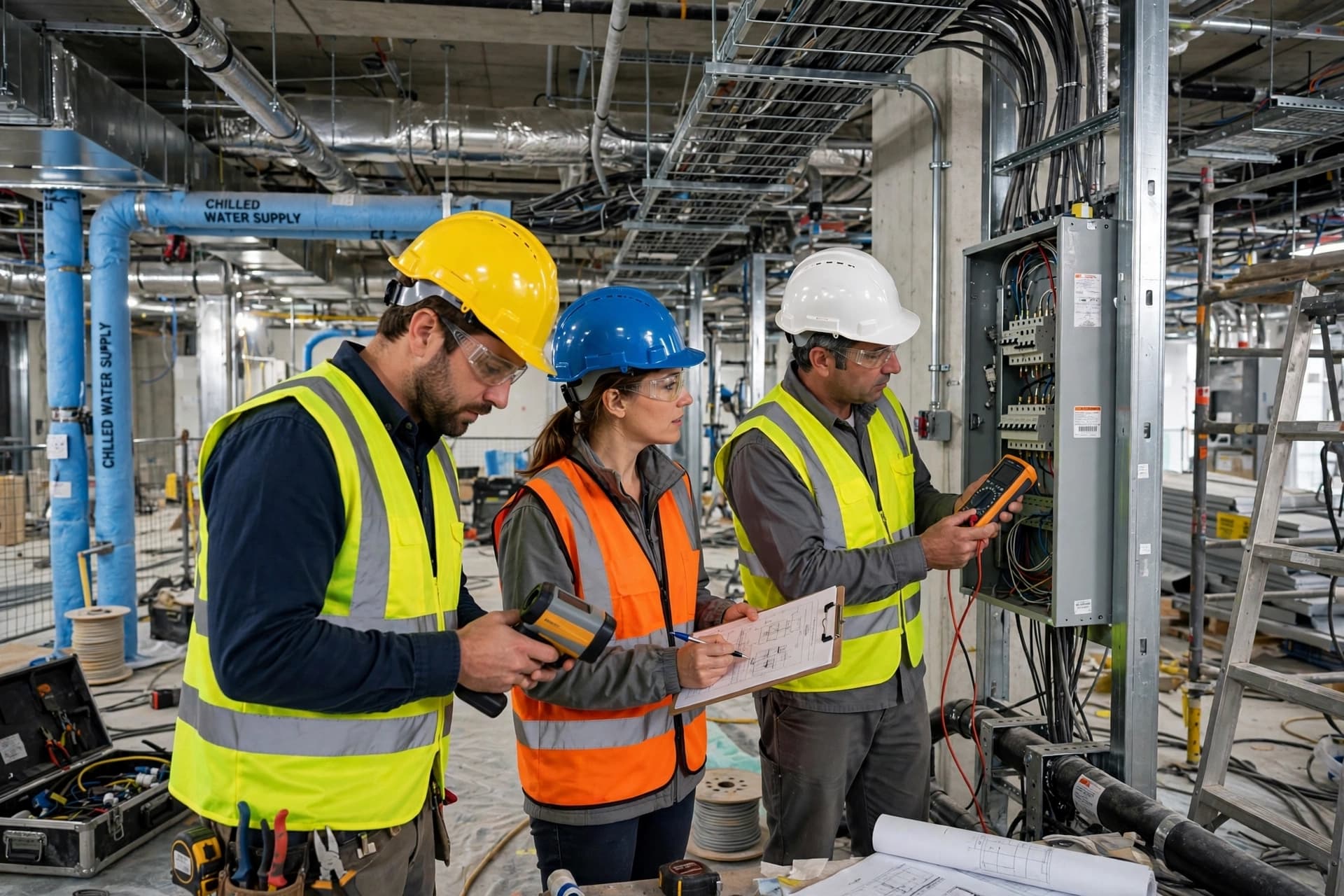
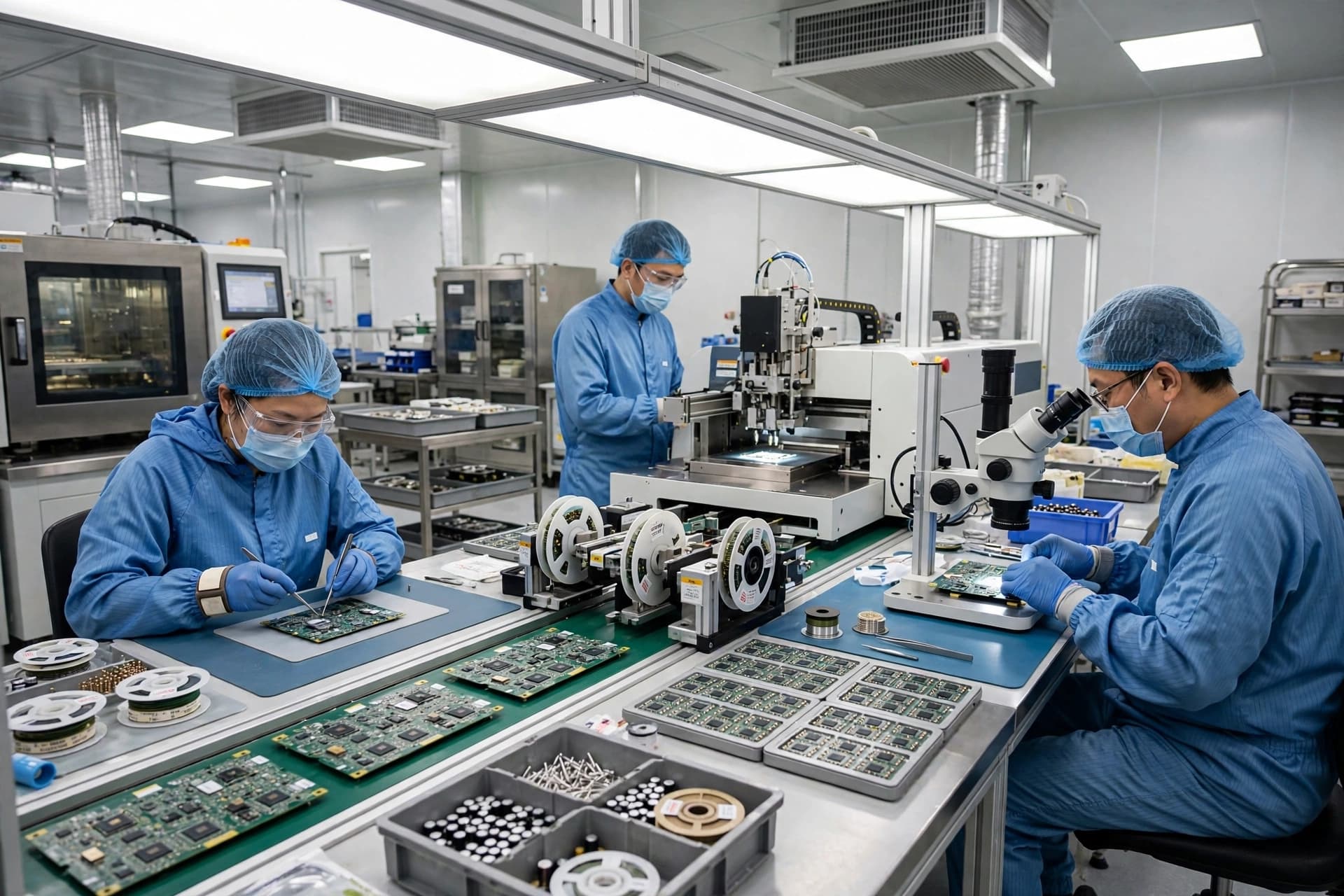
AI Image Disclaimer The visuals accompanying this article are AI-generated conceptual scenes created for illustration and are not real photographs.
Sources Reuters
Published by Banx Network. This article is part of the Banx decentralized media programme, powered by the BXE token on the XRP Ledger.