Singapore's economic landscape has long been shaped by movement: ships crossing its waters, goods passing through its port and capital flowing between markets. Now another current is becoming increasingly visible. Artificial intelligence has begun to reshape demand for semiconductors, data infrastructure and advanced technology, helping the city-state record stronger growth than expected.
Singapore's economy expanded 5.9 percent year over year in the second quarter of 2026, according to the Ministry of Trade and Industry. The stronger-than-expected performance prompted the government to raise its full-year growth forecast to between 4.5 percent and 5.5 percent, up from the earlier range of 2 percent to 4 percent.
The first half of the year has consequently produced a relatively strong economic picture. GDP grew 6.1 percent during the first six months, while non-oil domestic exports have benefited from strong global demand for electronics. The technology cycle has become particularly important because AI systems require large quantities of advanced chips and computing infrastructure.
Singapore's position in the global electronics supply chain gives it a natural connection to that trend. Semiconductor manufacturing, precision engineering and related industries have experienced stronger demand as technology companies around the world increase spending on AI infrastructure. The effect reaches beyond chip production, touching logistics, data centers and specialized engineering services.
The strength of AI investment has also helped Singapore absorb some external pressures. The city-state is highly exposed to global trade and energy markets, making it vulnerable when international shipping or energy supplies are disrupted. Yet strong technology-related demand has provided another source of economic activity at a time when other areas of the global economy remain uncertain.
The Monetary Authority of Singapore has nevertheless maintained a cautious view. A technology investment cycle can support growth, but a sharp slowdown in global AI spending could affect semiconductor demand, exports and investment. The concentration of growth in technology-related sectors therefore creates both an opportunity and a potential vulnerability.
Inflation remains another factor to watch. Consumer price growth was relatively moderate, with inflation at 1.6 percent in June, although policymakers expect some upward pressure as the year progresses. Higher energy costs can feed into transportation, manufacturing and household expenses, creating another variable for businesses and consumers.
For companies operating in Singapore, the AI boom has created an unusual combination of opportunity and pressure. Demand for chips, data centers and engineering services is increasing, while companies must also compete for specialized talent and invest in infrastructure. The result is a business environment in which technology spending increasingly influences decisions far beyond the technology sector itself.
Singapore's role as a financial and logistics hub adds another layer. Capital investment connected to AI can generate demand for professional services, construction, electricity, telecommunications and real estate. As data centers expand, the need for reliable power and supporting infrastructure becomes increasingly important.
The latest figures therefore tell a story larger than a single quarter of GDP. Singapore is benefiting from a global investment cycle centered on artificial intelligence, while its established position in trade and finance provides additional channels for that activity to spread through the economy.
For now, the city-state enters the second half of 2026 with stronger momentum than previously expected. The government has upgraded its growth forecast, exports remain supported by technology demand and second-quarter GDP has exceeded expectations. The question ahead is how long the AI investment cycle can sustain that pace and how successfully Singapore can broaden growth beyond it.
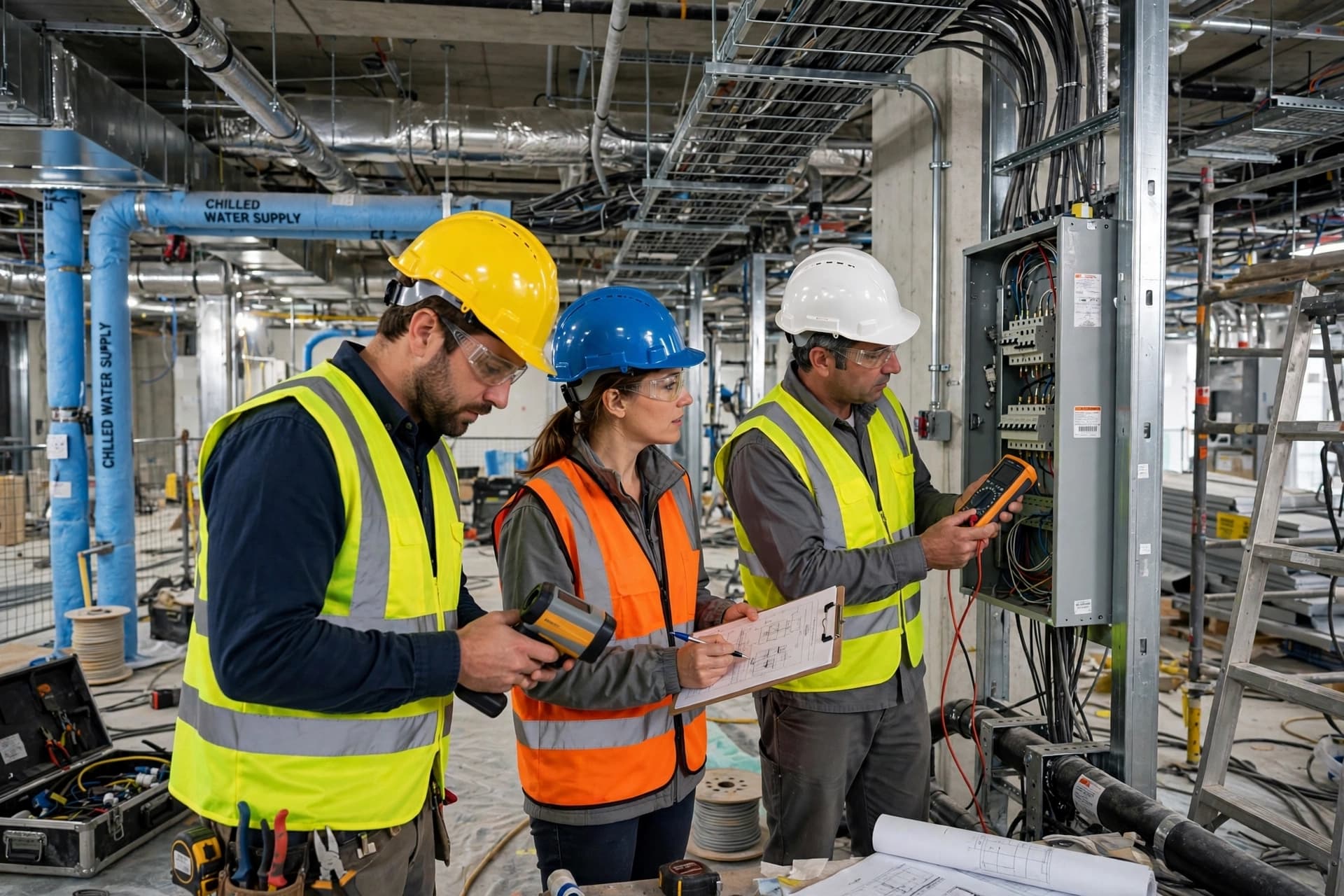
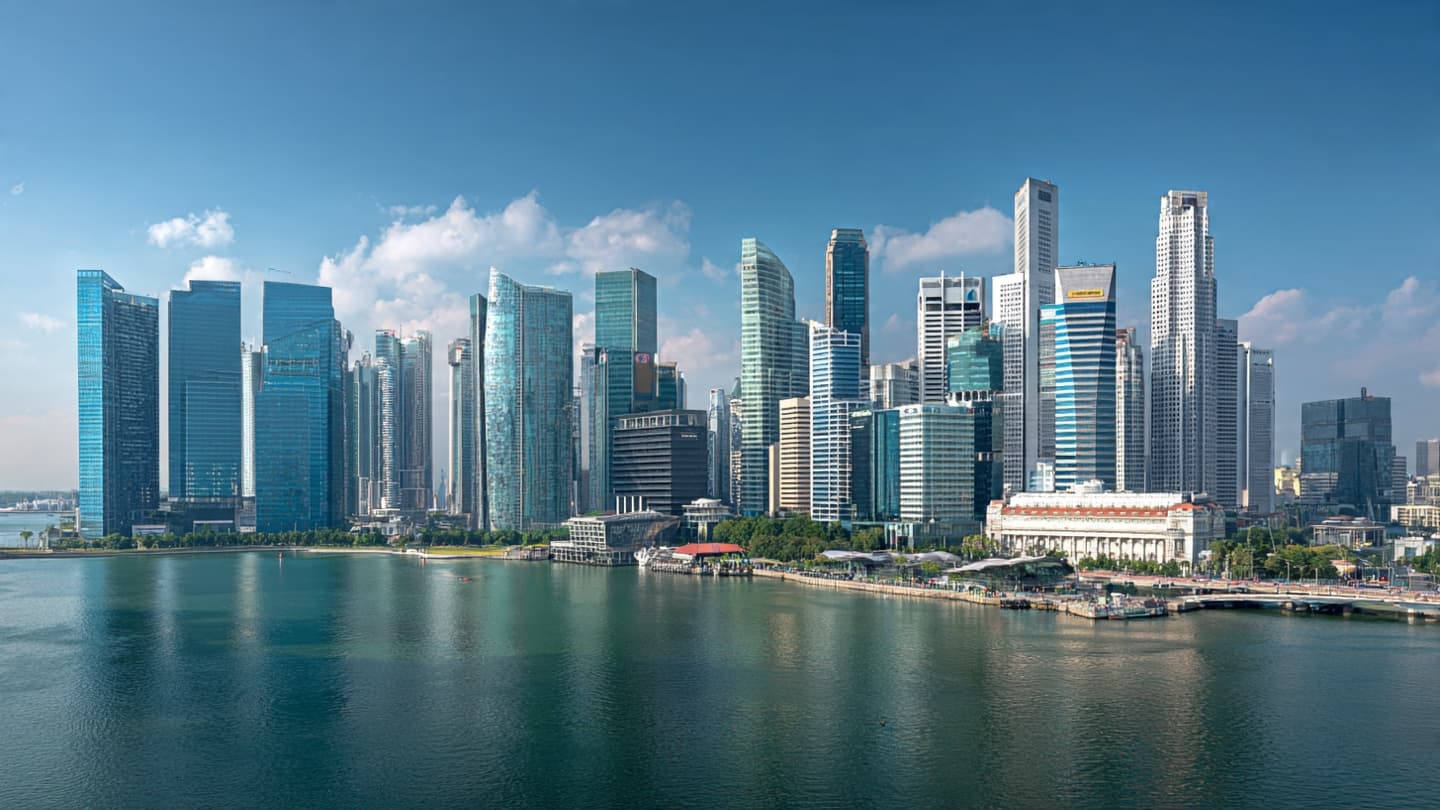
Image Disclaimer The accompanying visuals were generated with AI and are intended solely as conceptual representations of Singapore’s technology-driven economic environment.
Sources Reuters The Straits Times Financial Times Singapore Ministry of Trade and Industry Monetary Authority of Singapore Enterprise Singapore The Business Times
Published by Banx Network. This article is part of the Banx decentralized media programme, powered by the BXE token on the XRP Ledger.