Oil markets rarely move in a straight line. Prices rise and fall with the rhythm of production, transportation, inventories and demand, while events far from American drilling fields can quickly appear on balance sheets thousands of miles away.
For U.S. energy companies, the recent rise in crude prices has created a changing business environment. Higher prices can improve the value of oil produced by American companies, while simultaneously increasing costs across transportation, refining and other parts of the economy.
Reuters has reported that global oil prices have risen sharply in 2026 amid disruptions affecting Middle Eastern energy supplies. The market has been particularly sensitive to developments surrounding the Strait of Hormuz, one of the world's most important routes for oil and other energy shipments.
The United States enters this period from a different position than it held several decades ago. American shale production has transformed the country's role in global energy markets, allowing U.S. producers to supply both domestic consumers and international buyers at a much larger scale.
Reuters reported in June that the United States had become the world's largest oil exporter, with American oil and liquids production reaching roughly 22 million barrels per day. The shift followed years of investment in shale formations and the expansion of production capacity across the country.
For producers, higher crude prices can improve revenue prospects and potentially strengthen the economics of additional drilling. But the relationship between prices and profits is not automatic. Companies must also consider labor, equipment, transportation, financing, environmental requirements and the future direction of the market.
The energy industry has also become increasingly sensitive to disruptions outside the United States. When shipping routes are constrained or supplies are reduced, international prices can respond quickly. Those movements can benefit producers while creating higher costs for refiners, transportation companies and consumers.
The effect is therefore spread across the entire energy chain. A higher crude price may improve upstream revenue, while higher fuel costs can place pressure on airlines, trucking companies, manufacturers and households. The same market movement can therefore appear differently depending on where a company sits within the system.
Recent results from major international energy companies have demonstrated how elevated oil prices can influence earnings. Reuters reported that BP's first-quarter 2026 profit more than doubled from a year earlier, with strong oil-trading results contributing significantly to the increase.
For American energy producers, the central question is not simply how high oil prices can climb, but how long elevated prices can remain. Production decisions made today can influence supply months later, while changes in global demand can alter the balance again.
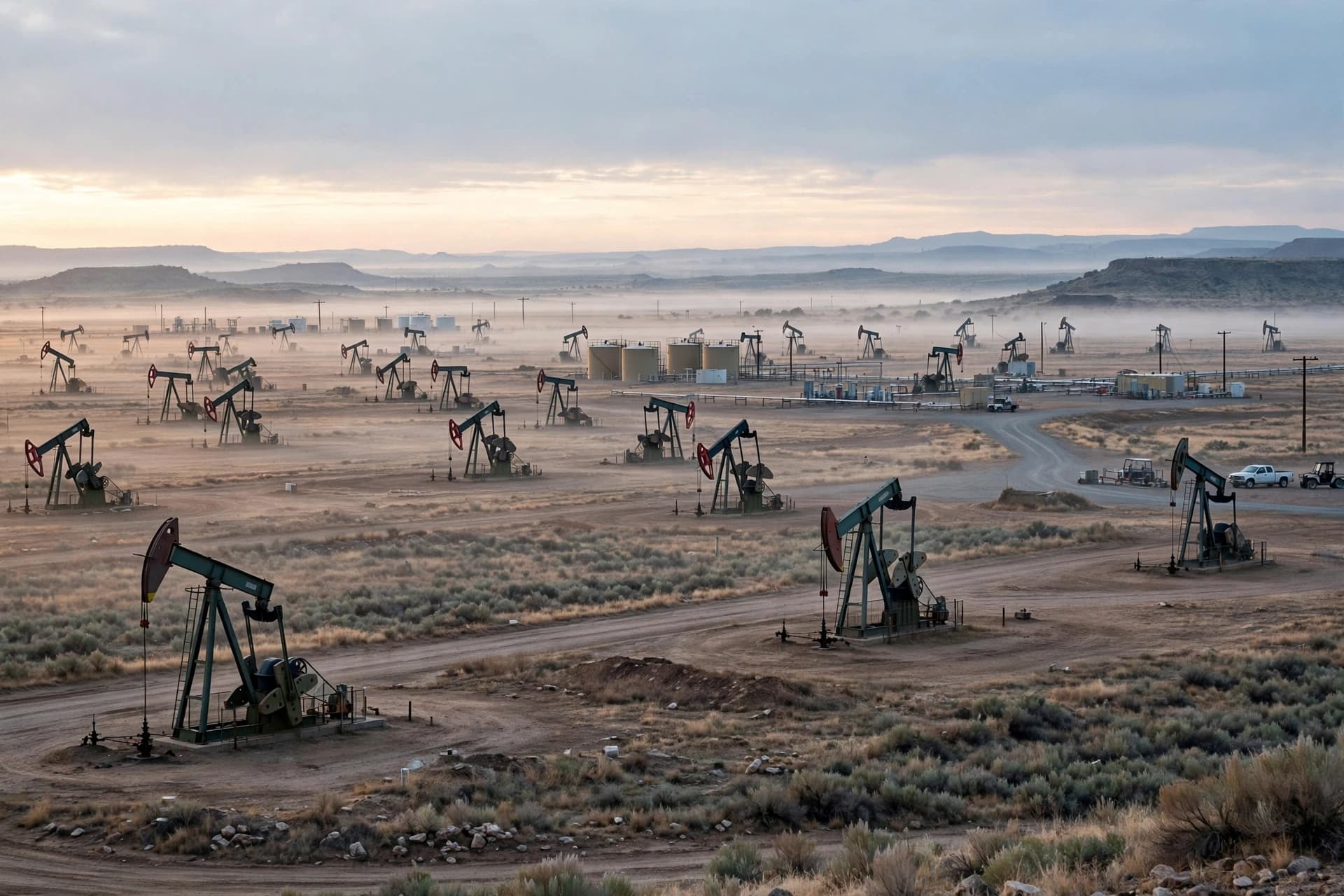
The American energy sector therefore enters the current period with substantial production capacity but also with exposure to a highly interconnected global market. From Texas and New Mexico to international shipping lanes, the price of a barrel continues to connect distant places through a single moving number.
Image Disclaimer:
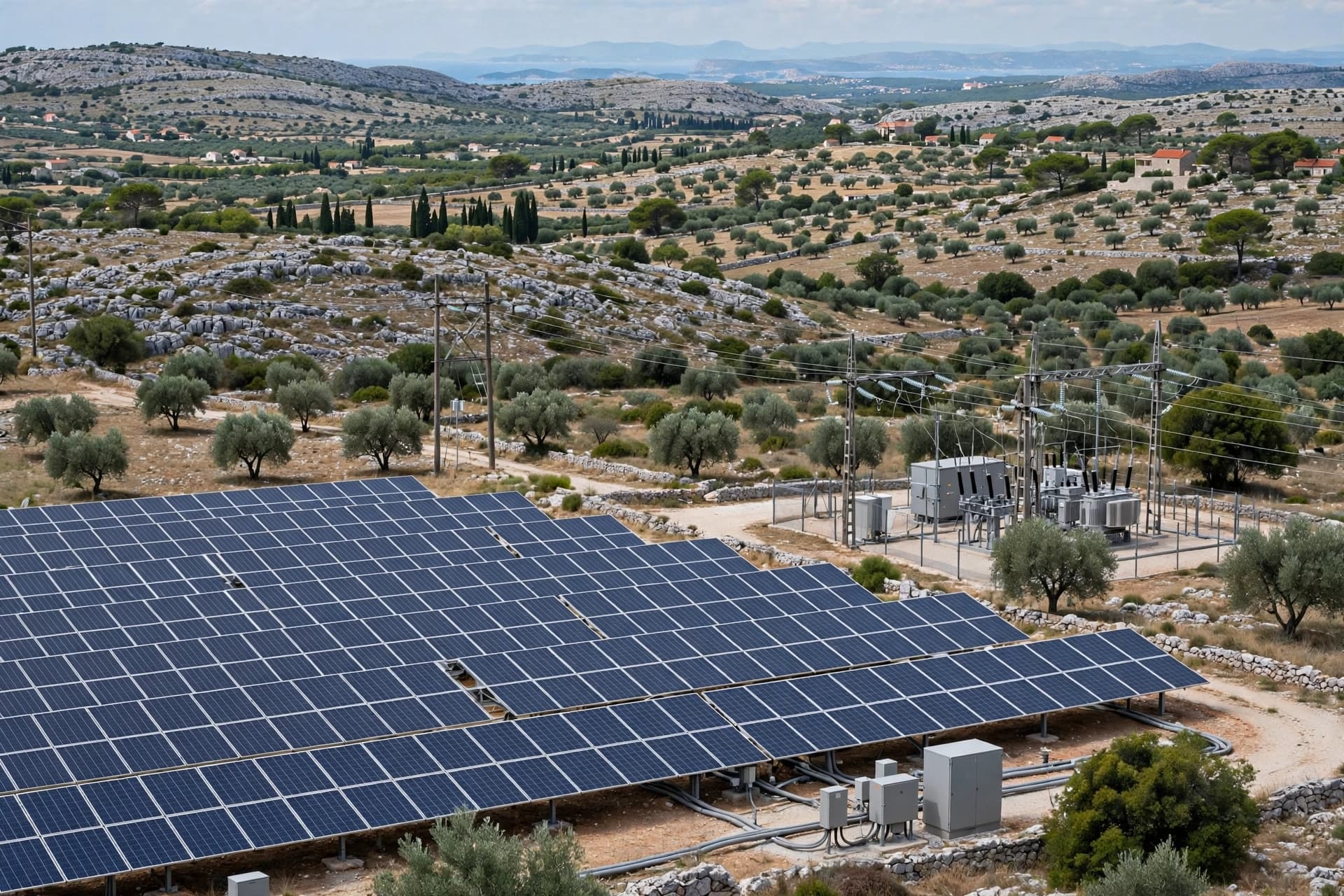
Illustrations were created using AI tools and are not real photographs of specific oil facilities or market events.
Sources:
Reuters U.S. Energy Information Administration BP LSEG Baker Institute
Published by Banx Network. This article is part of the Banx decentralized media programme, powered by the BXE token on the XRP Ledger.