There are moments when a planet seems less like a distant world and more like an old library full of unopened books. On Mars, the stories are not written on paper but in rust-tinted rock, in ancient sediments, and in the silent heights of volcanoes that have shaped the surface for eons. When explorers on Earth imagine water on the Red Planet, their thoughts often drift to smooth, reflective polar caps — ice that gleams under a thin atmosphere, testament to Martian cold and time. Yet there may be other, quieter chapters of that story hidden beneath surfaces far from the poles, tucked under layers of volcanic ash and dust in the middle latitudes of this lonely sphere.
Scientists studying images and terrain data from orbiters have been struck by features near ancient volcanoes like Hecates Tholus, where patterns in the landscape — from deep fractures to terrain that resembles glacial push moraines — echo what we might see on Earth where ice and volcanic rock meet. On Deception Island, a volcano in Antarctica, slow-creeping glaciers are cloaked in ash and debris, but still betraying their presence through cracks and crevasses. The parallels on Mars suggest a tantalizing possibility: that below the burned orange layers of volcanic remnants, cold reservoirs of ice may endure, preserved through time by the very ash that once seemed to mark lifelessness.
The evidence does not come from a single signpost, but from a mosaic of clues etched into the Martian ground. Long, deep fractures in volcanic terrain — features that resemble bergschrunds caused by moving ice — suggest mobility beneath the surface rather than rock immobile for millions of years. Other shapes in the landscape mirror push moraines, where ice on Earth advances and pushes rocky material into undulating ridges; on Mars similar forms could indicate ice was once present under the volcanic shell and perhaps still remains there, protected by a dusty blanket.
Orbital radar data does not always see beneath slopes covered in loose debris, and steep volcanic sides can mask subterranean structures from instruments like SHARAD on NASA’s Mars Reconnaissance Orbiter. That means remote sensing has limits — and that the tantalizing hints of ice require further observation, perhaps from the ground. Yet the idea that Mars might shelter significant glacial ice close to the equator — hidden beneath volcanic ash — widens our view of the Red Planet’s past climate and water history in ways once hard to imagine.
In parallel, other discoveries on Mars have revealed water ice well outside the poles, sometimes preserved under layers of dust and ash, or hinted at by hydrated minerals detected by orbiters. Together, these findings sketch a planet where ice has played a more dynamic role than simple frozen caps at the poles might suggest, whispering of ancient climate cycles and of water’s enduring presence even under the brimstone of old volcanoes.
If these buried glaciers do exist, they could have profound implications for future exploration. Ice hidden beneath ash and rock would be a particularly tempting resource for human explorers, offering water without the forbidding distances of polar ice. Yet terra incognita remains vast — only on-site investigation, through future landers or rovers, may reveal the truth beneath those Martian slopes.
In the quiet interplay of fire and ice on Mars, there are stories of ancient climates and landscapes that have not yet fully revealed their secrets. Like chapters sealed beneath dust in an old book, they wait for a future generation of explorers to open them and read what the Red Planet once knew of water, wind, and stone.
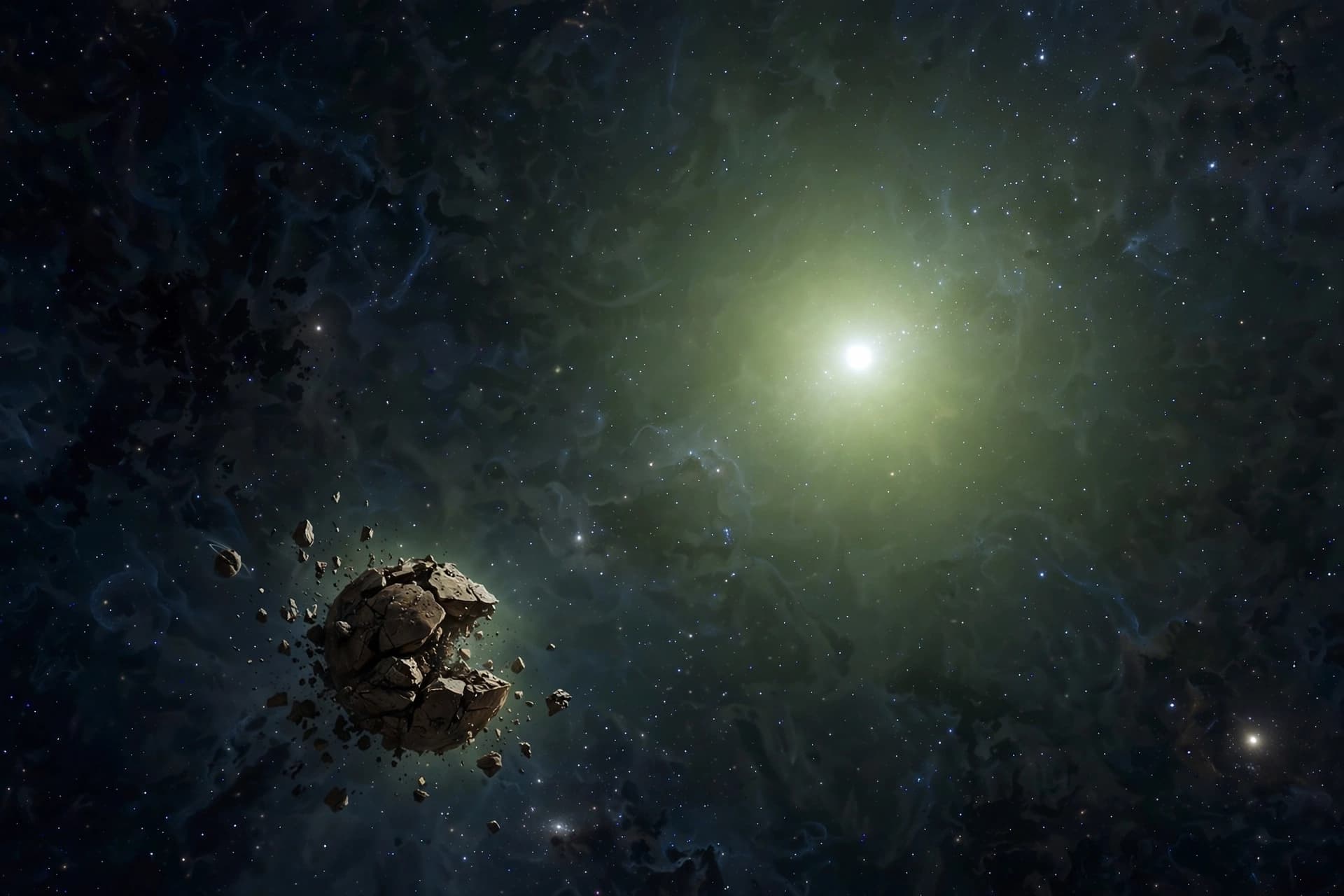
AI Image Disclaimer Visuals are created with AI tools and are not real photographs.
Sources Universe Today Phys.org ScienceDaily National Geographic ESA / Mars Express research coverage
Published by Banx Network. This article is part of the Banx decentralized media programme, powered by the BXE token on the XRP Ledger.