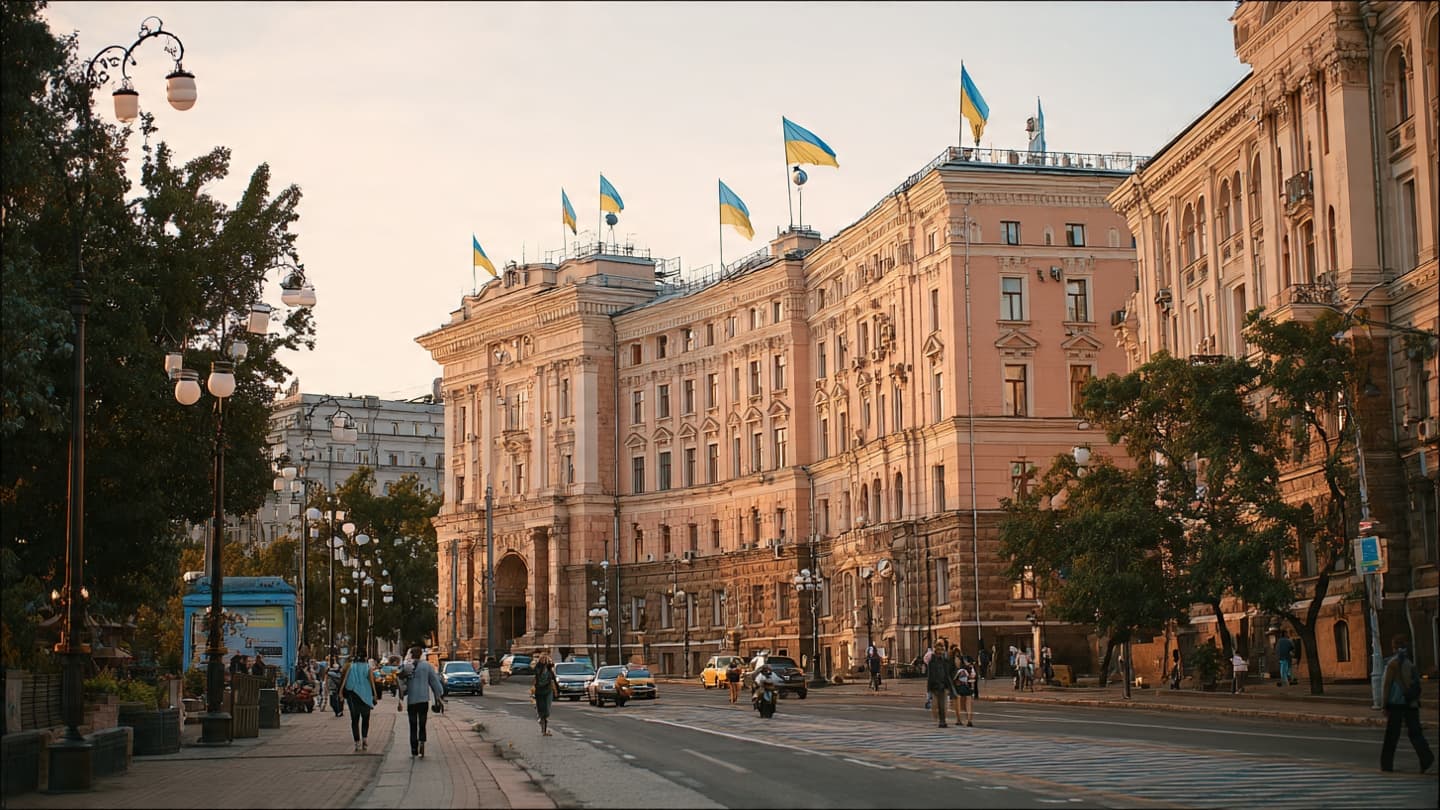
Kyiv has become a city where ordinary moments and extraordinary challenges exist side by side. Cafés open with the morning light, commuters make their way through familiar streets, and church bells still mark the passing hours. Yet beneath these rhythms lies the constant awareness that wartime decisions carry unusual weight, reaching from government offices to distant front lines where every choice can shape the country's future.
That sense of responsibility has become more visible as President Volodymyr Zelenskyy confronts an intensifying political challenge following the dismissal of former Defense Minister Mykhailo Fedorov. Seeking to ease public concern, Zelenskyy reportedly offered Fedorov a senior role overseeing defense innovation outside the ministry. Fedorov declined the proposal, stating that he would return only if reinstated as defense minister, extending a dispute that has sparked rare public demonstrations in Ukraine during wartime.
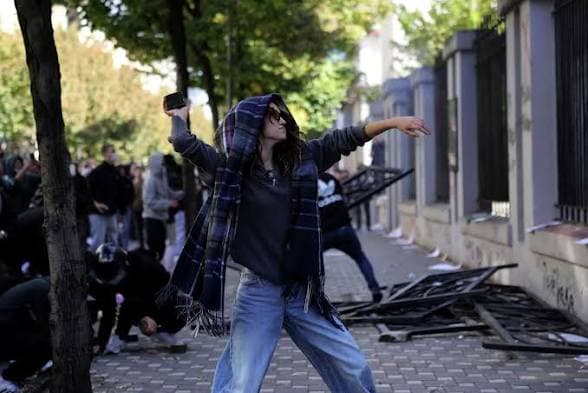
The disagreement reflects broader debates about the direction of Ukraine's military leadership. Fedorov earned widespread recognition for accelerating drone development, digital modernization, and procurement reforms, initiatives that many supporters view as essential to adapting Ukraine's armed forces to an evolving battlefield. His removal prompted demonstrations in Kyiv and other cities, where participants called for his reinstatement while expressing concern about the future pace of military reform.
At the center of the discussion is also the relationship between civilian and military leadership. Public reports have described longstanding tensions between Fedorov and Commander-in-Chief General Oleksandr Syrskyi regarding procurement priorities, operational strategy, and organizational reforms. While Ukrainian officials have emphasized the importance of unity, the differing approaches have become part of an increasingly open national conversation.
These developments unfold while Ukraine continues to defend itself against Russia's ongoing invasion. Missile attacks, drone strikes, and heavy fighting remain daily realities, requiring government leaders to balance immediate battlefield demands with longer-term institutional reforms. Wartime governance often leaves little room for gradual adjustment, making leadership decisions especially consequential.
International partners are also following events closely. Countries supporting Ukraine have consistently emphasized the importance of stable institutions and effective defense coordination alongside continued military assistance. Although leadership changes are part of democratic governance, they inevitably attract attention when they occur during an active conflict.
For many Ukrainians, the discussion extends beyond individual appointments. It reflects broader hopes that innovation, accountability, and effective leadership can continue strengthening the country's resilience. Public demonstrations, while unusual under wartime conditions, also illustrate the continuing engagement of citizens in national decision-making despite the extraordinary circumstances surrounding them.
Political observers note that President Zelenskyy now faces the difficult task of restoring confidence while maintaining cohesion across the government, military leadership, and international partnerships. Whether through new appointments or renewed dialogue, the coming weeks are expected to play an important role in shaping Ukraine's wartime leadership structure.
As evening settles once again over Kyiv, the city continues its familiar rhythm beneath skies that have witnessed both resilience and hardship. Government buildings remain illuminated, conversations continue behind closed doors, and citizens look toward another uncertain morning. In times of conflict, leadership is measured not only by decisions made in moments of crisis, but also by the ability to preserve trust while guiding a nation through its most demanding chapters.
AI Image Disclaimer The accompanying visuals are AI-generated conceptual illustrations intended to support the story and do not depict actual photographs of the events.
Sources Reuters Financial Times Associated Press BBC News The Guardian
Published by Banx Network. This article is part of the Banx decentralized media programme, powered by the BXE token on the XRP Ledger.