The Java Sea has a way of making distance feel different. From above, its surface may appear almost ordinary, a wide field of water moving beneath the changing light. Far below that surface, however, the wreckage of the Virgo Transport 8 has become the center of a difficult search, where every meter of movement carries the weight of lives still unaccounted for.
On Friday, Indonesian divers entered the overturned ferry and recovered three bodies, according to officials cited by Reuters and the Associated Press. The recovery brought the confirmed death toll to nine, while 126 people remained missing. Another 108 people had survived the accident and were rescued after the vessel went down several days earlier.
The ferry had been traveling from Surabaya in East Java toward Banjarmasin in South Kalimantan when it encountered rough conditions early Sunday. According to the vessel's manifest, 243 people were aboard, including 213 passengers and 30 crew members. The ship was also carrying 89 vehicles during the journey across the Java Sea.
The sea complicated the rescue from the beginning. Strong winds, waves and underwater currents made it difficult for divers to approach and enter the overturned vessel. Reuters reported that currents and water pressure, combined with the ship's position and hull structure, created significant obstacles for teams attempting to reach the interior.
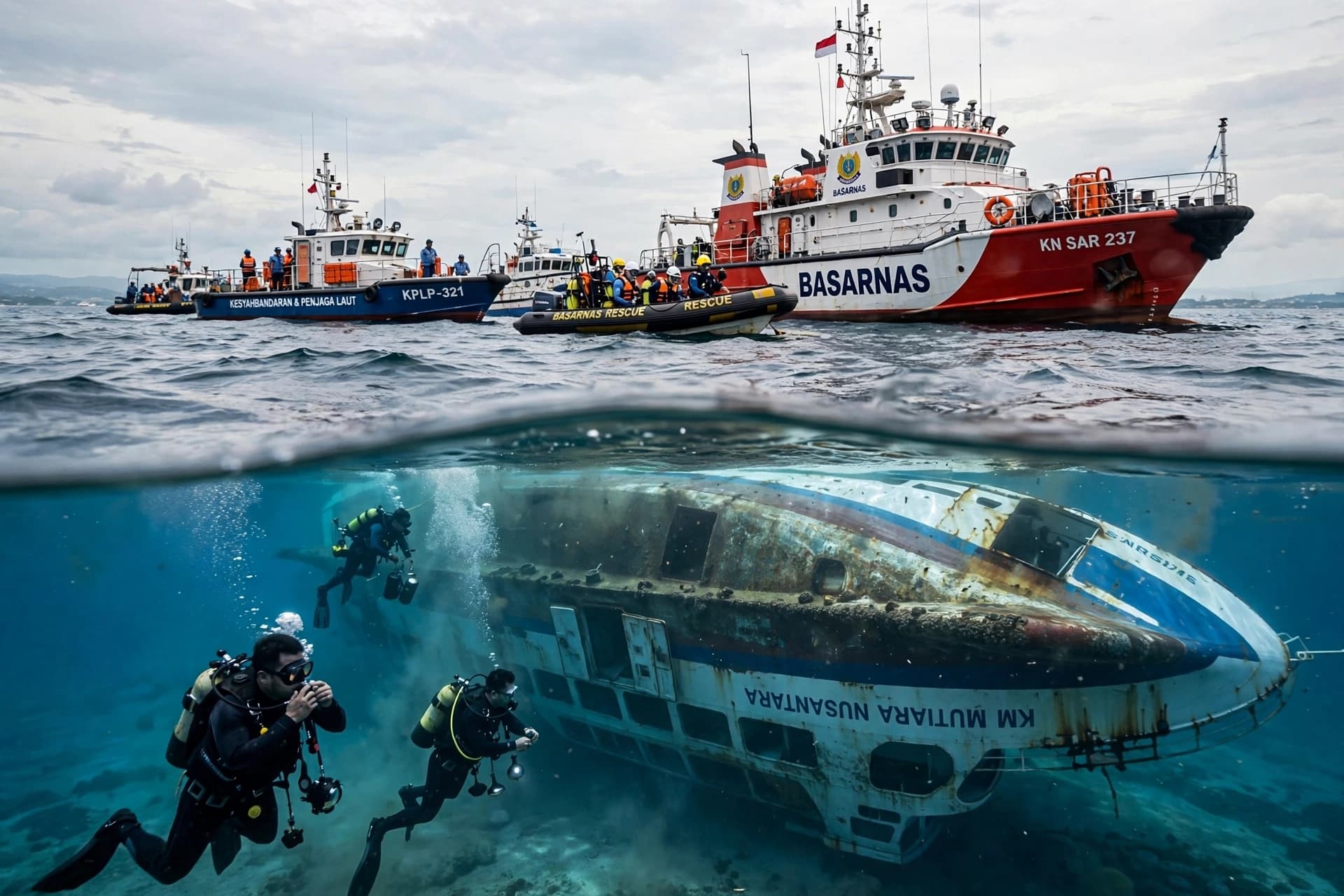
By Friday, conditions had improved enough for a team of 17 divers to descend toward the wreck. They used guide ropes that had been installed the previous day, then entered the vessel through a broken window one by one. Inside, they located the three victims whose bodies were subsequently brought to the surface.
The ferry itself was lying upside down on the seabed at a depth of roughly 29 meters, after drifting about 453 meters from its original sinking position. Authorities said its stern had become embedded in the seabed, while parts of the bow remained closer to the surface. No fuel leakage or visible oil pollution had been detected around the wreck.
The recovery operation therefore moved beyond a conventional search at sea. Authorities began preparing equipment and procedures to deal with the vessel itself, while underwater teams continued facing the limits imposed by visibility, currents, depth and the condition of the wreck. Each descent required careful coordination rather than speed.
Earlier attempts had been slowed by rough weather, leaving rescuers searching across the surrounding waters while waiting for conditions that would allow them to work closer to the ferry. The operation has involved Indonesian search-and-rescue personnel, naval forces and other agencies working across the waters around the wreck.
For the families waiting onshore, however, the geography of the search is measured differently. The distance between the coast and the wreck, the depth of the water and the movement of the currents become part of a long wait for information. For rescuers, meanwhile, the task remains defined by what can still be reached beneath the surface.
As the salvage operation develops, Indonesian authorities continue efforts to recover those still missing and determine the next steps for the sunken ferry. The search remains active, with underwater conditions continuing to shape the pace of the operation.
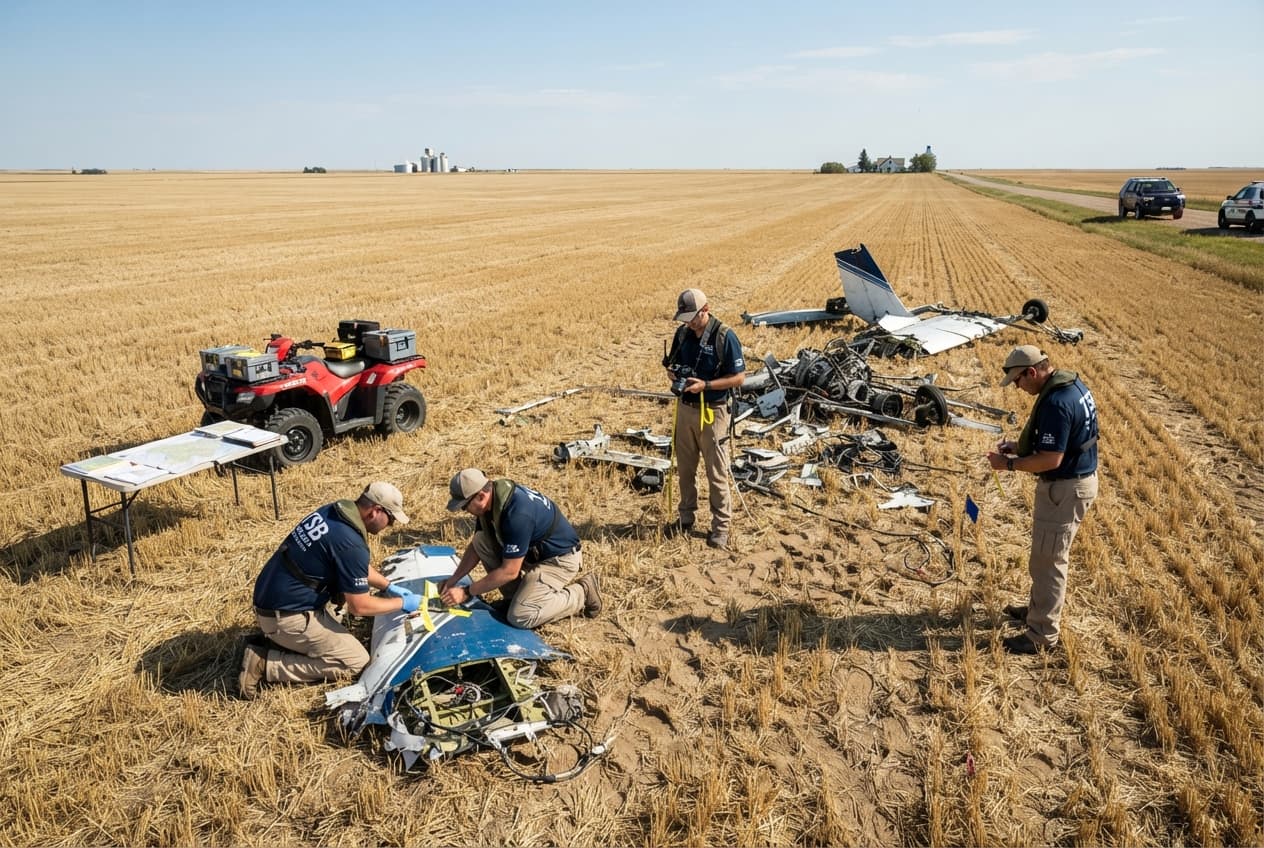
AI Image Disclaimer Illustrations were created using AI tools and are intended only as conceptual representations of the reported event.
Sources Reuters Associated Press Al Jazeera
Published by Banx Network. This article is part of the Banx decentralized media programme, powered by the BXE token on the XRP Ledger.