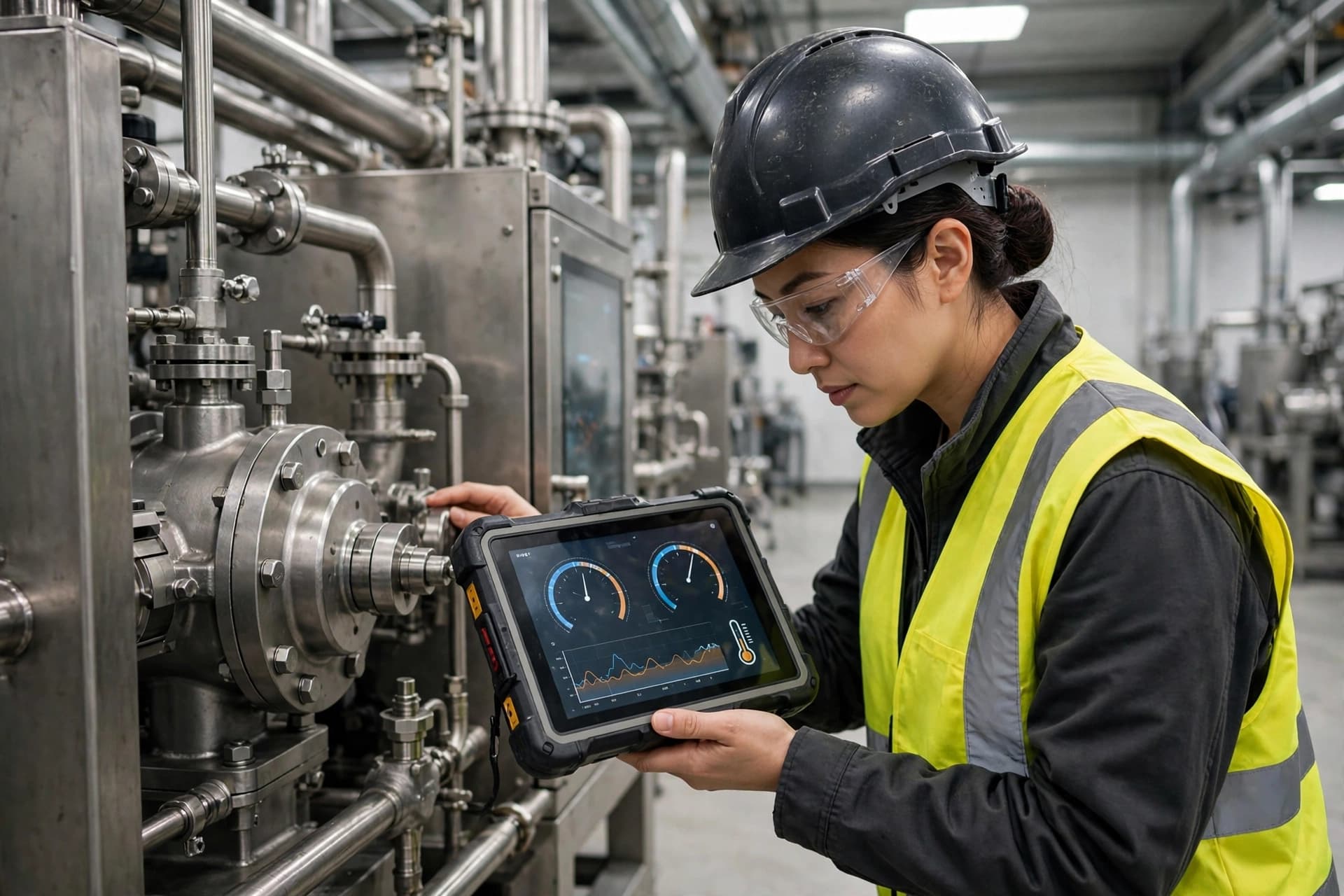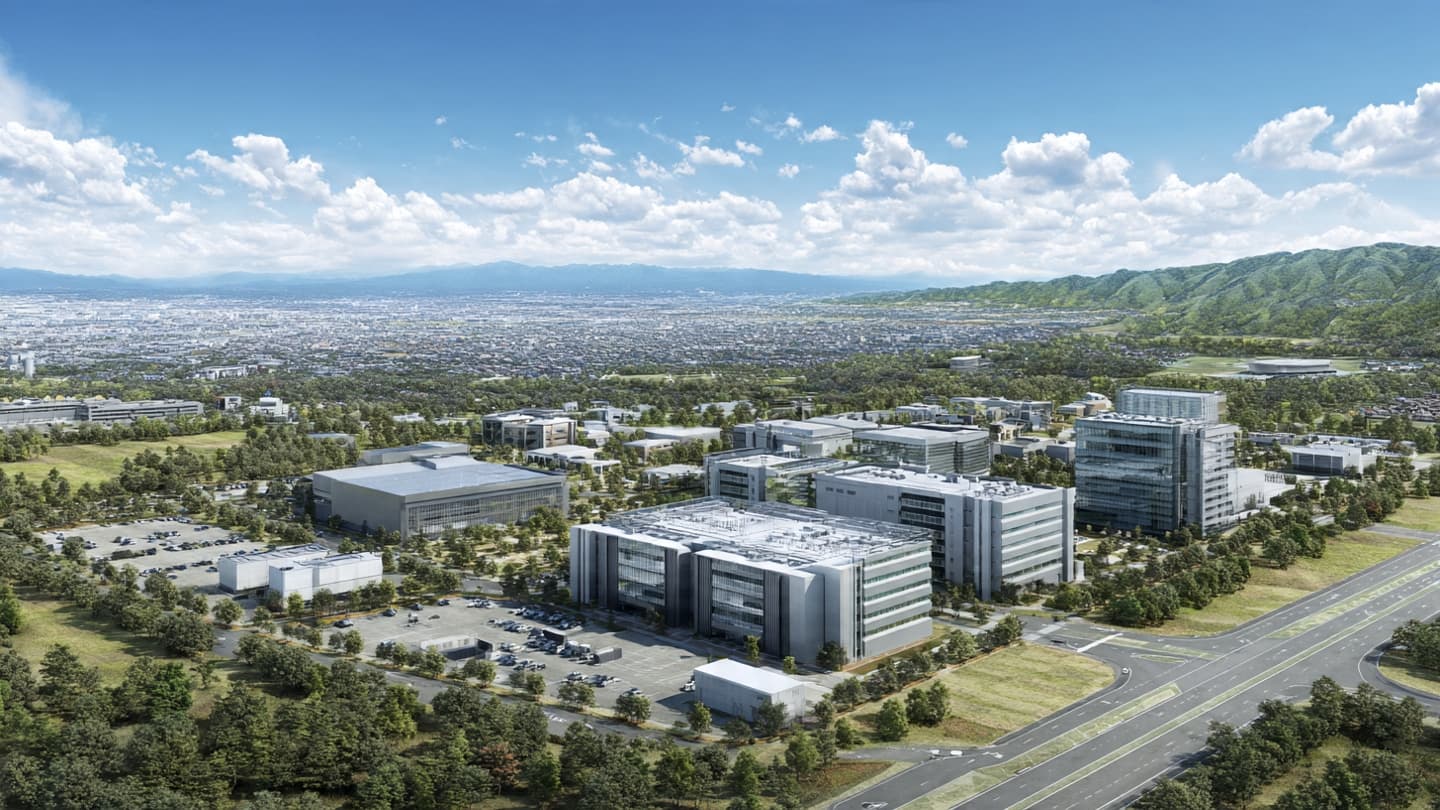
In Japan, investment often reveals itself quietly. It appears in a new machine installed inside a factory, an expanded research facility, a semiconductor plant rising beside a regional road, or a data center being prepared for another generation of computing. These individual movements can seem small, yet together they form a picture of where companies believe the economy is heading.
Japanese companies increased capital spending by 1.6% year over year in the second quarter of 2026, according to Finance Ministry data released September 1. The increase was significantly stronger than the 0.05% rise recorded in the previous quarter.
Seasonally adjusted spending also rose 1.5% from the previous quarter. The improvement suggests that corporate investment has begun to provide a firmer element of support for Japan's economy, even as household and business spending remains relatively subdued.
Artificial intelligence is becoming one of the important forces behind that movement. Companies connected to semiconductors, advanced manufacturing, data centers, and digital infrastructure are increasing investment as global demand for AI-related technology expands.
Japan has a particularly important position within this industrial chain. Its companies manufacture semiconductor equipment, precision machinery, electronic components, and specialized materials used by producers around the world.
Corporate earnings have also provided room for investment. Japanese companies reported a 5.9% increase in sales during the second quarter, while recurring profits reached a record 44.7 trillion yen, according to the Finance Ministry data reported by Reuters.
A weaker yen has helped some exporters by increasing the value of overseas earnings when converted back into Japanese currency. At the same time, companies must continue balancing higher import costs and the changing purchasing power of consumers.
Investment is also becoming connected to Japan's longer-term demographic challenges. An aging population and labor shortages encourage businesses to seek greater productivity through automation, robotics, artificial intelligence, and more efficient production systems.
Government incentives are another factor. Japan has been encouraging investment in strategic industries including AI, semiconductors, advanced manufacturing, and energy infrastructure, creating additional reasons for companies to expand their capital spending.
The latest numbers therefore arrive at a moment when Japanese companies are looking beyond the immediate business cycle. Factories are being modernized, technology investments are increasing, and corporate earnings are providing additional financial space.
For Japan, the significance of stronger capital spending will depend on whether the investment translates into higher productivity and sustained economic activity. For now, the figures show companies continuing to place resources behind technology and production capacity as the industrial landscape changes.
AI IMAGE DISCLAIMER
The accompanying visuals were generated with AI as conceptual representations of Japanese corporate investment and advanced manufacturing, not actual photographs.
SOURCES
Reuters Japan Ministry of Finance Japan Ministry of Economy, Trade and Industry
Published by Banx Network. This article is part of the Banx decentralized media programme, powered by the BXE token on the XRP Ledger.