Capital spending rarely arrives with the drama of a factory opening or a major product launch. It often begins quietly, inside a company budget, a construction plan, a research facility, or a purchase order for a new machine. In Japan, those quiet decisions have recently begun moving with greater confidence.
Japanese companies increased capital spending by 1.6% year over year during the second quarter of 2026, a significant improvement from the almost flat growth recorded in the previous quarter. The data came from Japan’s Finance Ministry and was reported by Reuters.
Seasonally adjusted capital expenditure also increased from the previous quarter, providing another indication that businesses were continuing to invest even as household and business spending remained relatively subdued.
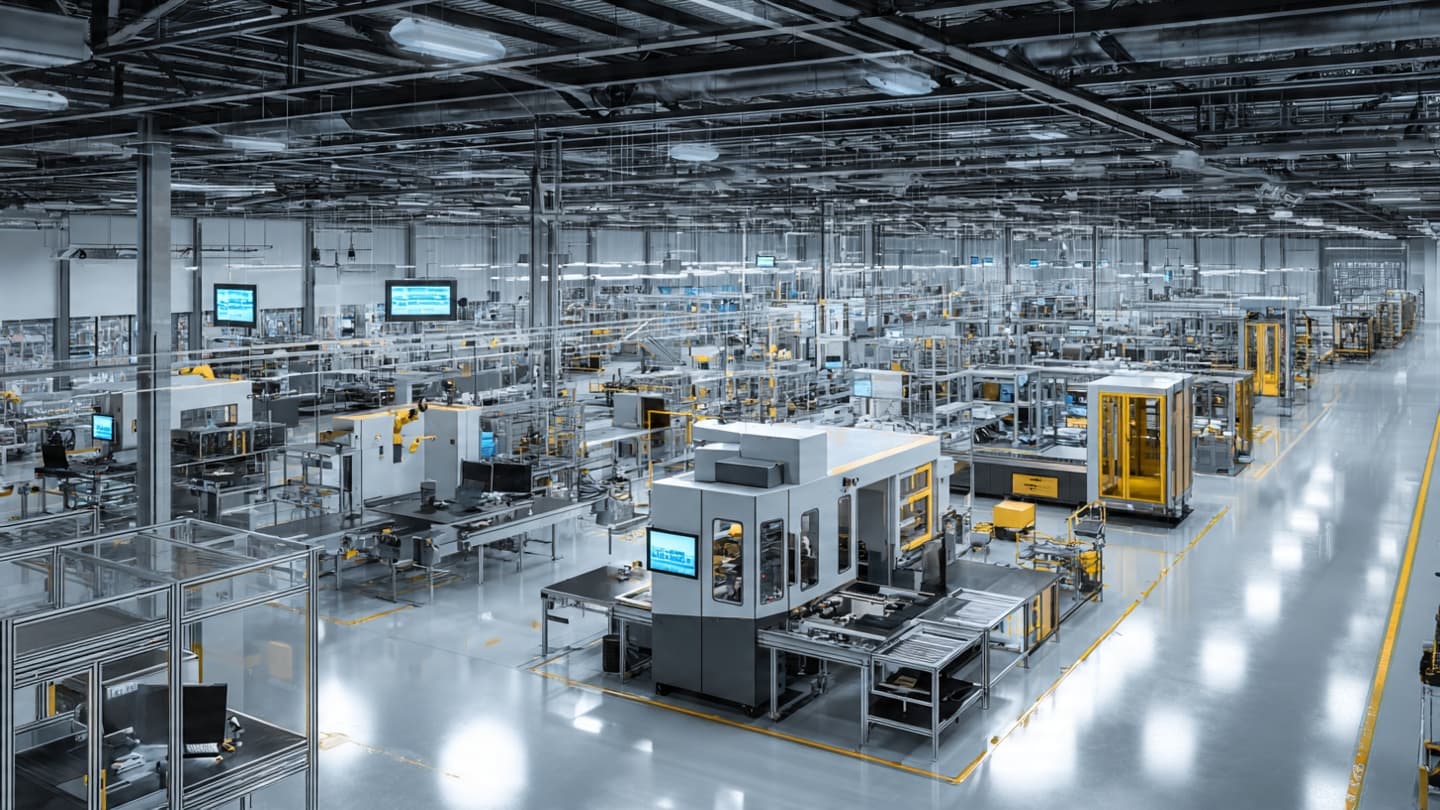
Artificial intelligence has become one of the forces behind the investment. Companies involved in semiconductors, advanced manufacturing, data centers, and digital infrastructure are increasing spending as demand for computing power expands worldwide.
Japan's industrial structure gives it an important position in this cycle. Domestic companies produce semiconductor equipment, precision machinery, electronic components, and specialized materials that are required throughout the technology supply chain.
Corporate earnings have also provided a stronger financial foundation. Japanese companies recorded higher sales during the second quarter, while recurring profits reached a record level, according to the Finance Ministry data.
The weaker yen has helped some exporters by increasing the value of overseas earnings when converted into Japanese currency. At the same time, the weaker currency can increase the cost of imported energy, food, and industrial materials.
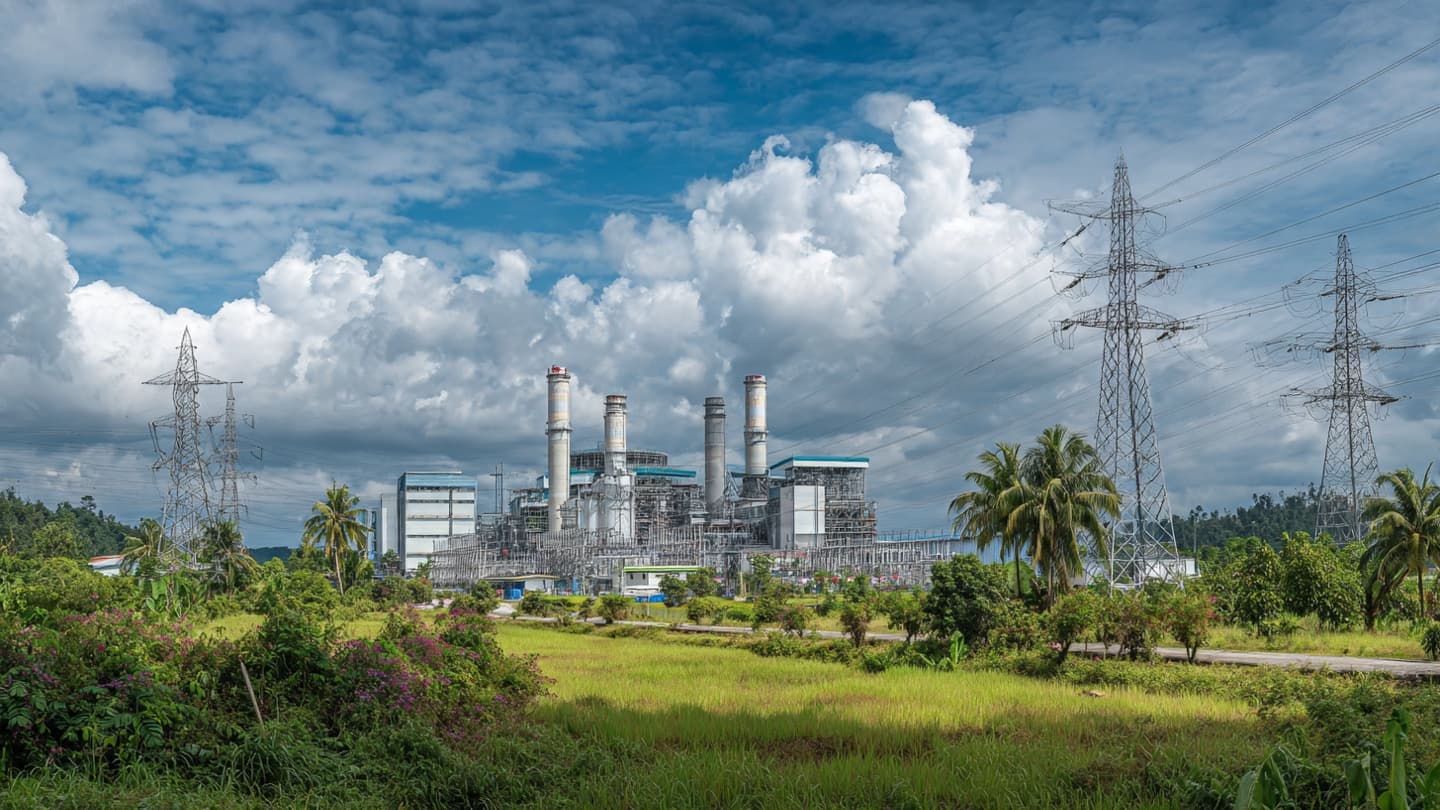
Investment is also being encouraged in areas considered strategically important for Japan’s future. Semiconductors, artificial intelligence, advanced manufacturing, energy infrastructure, and automation are receiving increasing attention as companies respond to demographic and labor-market pressures.
An aging population has made productivity especially important. Automation and digital technology can help companies maintain production even when finding additional workers becomes more difficult, making technology investment relevant beyond the immediate business cycle.
The latest figures therefore offer a glimpse of a Japanese economy preparing for structural change. Stronger corporate spending does not guarantee rapid growth, but it shows that businesses are continuing to place resources behind technologies and infrastructure expected to shape the next stage of industrial development.
AI IMAGE DISCLAIMER
These AI-generated visuals are conceptual representations of Japanese corporate investment and advanced industrial technology, not actual photographs.
SOURCES
Reuters Japan Ministry of Finance Japan Ministry of Economy, Trade and Industry
Published by Banx Network. This article is part of the Banx decentralized media programme, powered by the BXE token on the XRP Ledger.