Tiny pieces of silicon now sit beneath much of modern life. They power smartphones, cars, industrial machines and increasingly sophisticated artificial intelligence systems. For Indonesia, the global appetite for semiconductors presents an opportunity to move further into higher-value manufacturing and become more deeply connected to one of the world's most important technology industries.
Indonesia has traditionally been better known for commodities, manufacturing and natural resources than semiconductor production. Yet the global restructuring of supply chains has created new possibilities. Companies and governments are increasingly looking for manufacturing locations beyond established centers, while demand for chips continues to grow across multiple industries.
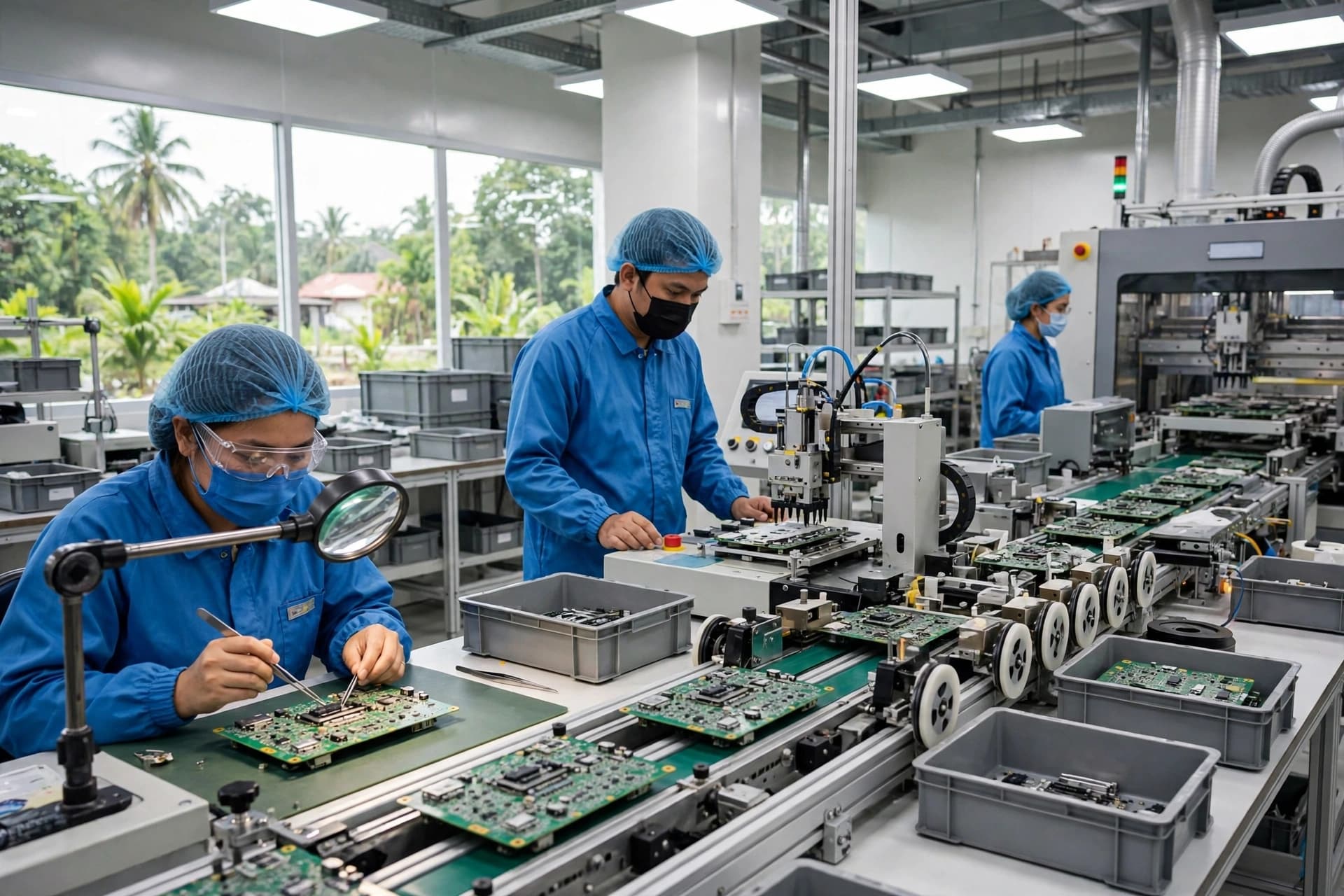
The opportunity is not necessarily about immediately producing the world's most advanced processors. Semiconductor manufacturing involves many stages, including design, packaging, assembly, testing and materials production. Countries can therefore participate in different parts of the supply chain depending on their infrastructure, workforce and technological capabilities.
Indonesia has particular potential in downstream activities. Its large industrial base, expanding electronics sector and access to raw materials provide a foundation for developing supporting industries. Training engineers and technicians will be equally important because semiconductor manufacturing depends on highly specialized skills.
The global AI boom has increased the strategic importance of the industry. Advanced AI systems require powerful processors, while data centers consume large numbers of specialized chips. The rapid expansion of AI investment has therefore increased demand throughout the semiconductor ecosystem, from fabrication facilities to testing and packaging operations.
For Indonesia, participating in that ecosystem could provide benefits beyond direct investment. Semiconductor facilities can create higher-skilled employment, encourage technology transfer and support local suppliers. They can also strengthen connections between universities, research institutions and private companies.
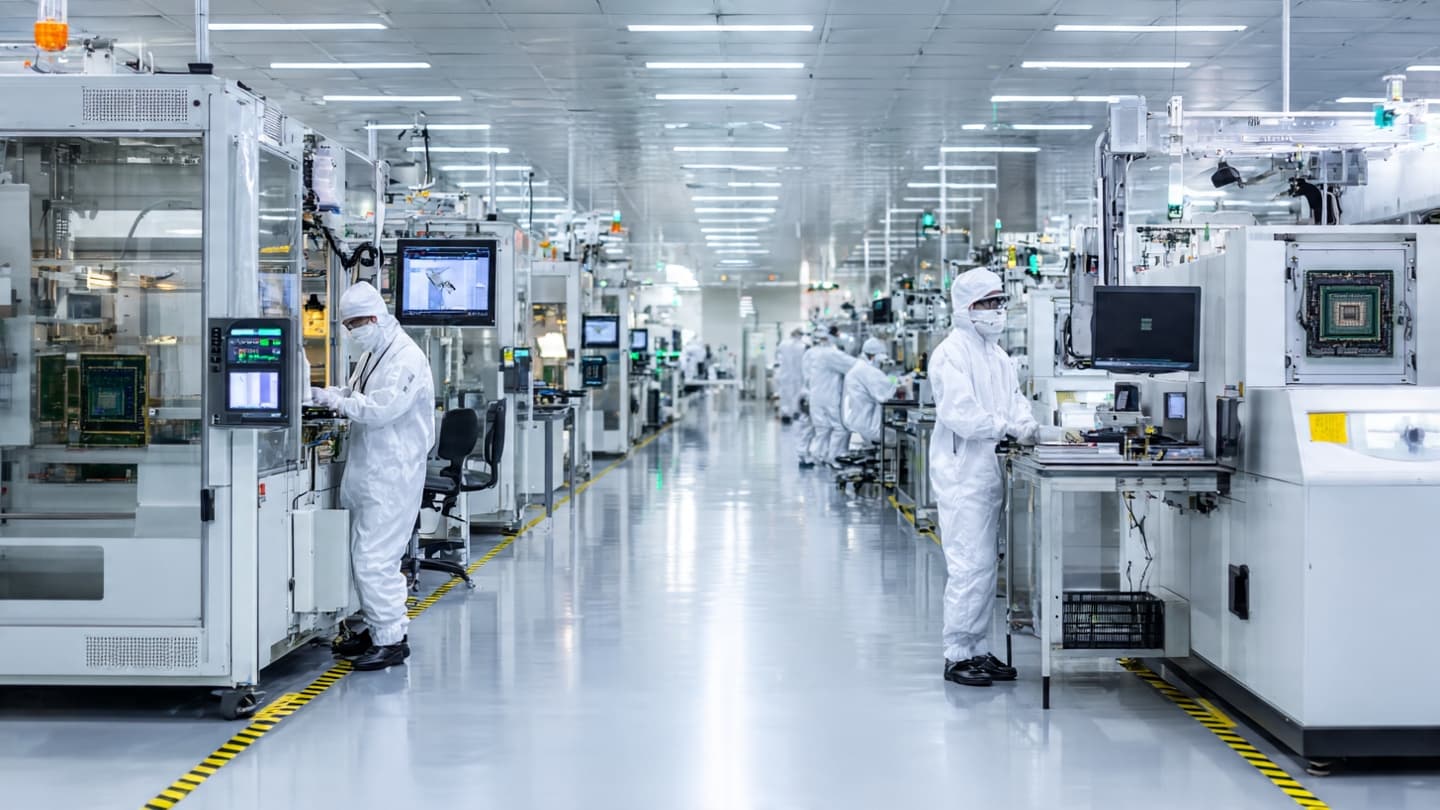
However, semiconductor manufacturing is demanding. Facilities require reliable electricity, clean water, sophisticated logistics and consistent standards. Even packaging and testing operations depend on precision equipment and highly controlled environments.
Competition within Southeast Asia is also significant. Singapore, Malaysia, Vietnam and Thailand have developed established electronics and semiconductor industries, each offering different combinations of infrastructure, skills and investment incentives. Indonesia therefore needs to build advantages that are sufficiently distinctive to attract long-term investment.
Government policy has become an important part of that effort. Authorities have sought to attract technology investment while developing industrial parks, training programs and partnerships with international companies. The objective is to move beyond the export of raw materials toward more complex manufacturing activities.
The opportunity also fits within Indonesia's broader industrial strategy. The country has increasingly sought to process natural resources domestically and develop industries that capture more value before products reach international markets. Semiconductors represent a different type of opportunity, centered more heavily on technology, skills and infrastructure.
The road will not be short. Building a semiconductor ecosystem requires years of investment and close coordination between government, industry and education. But the changing global technology landscape has created an opening that Indonesia is increasingly attempting to explore.
For now, Indonesia remains at an earlier stage than the world's leading semiconductor manufacturing centers. Yet the ambition is increasingly visible: to become more deeply connected to the global supply chain and capture a greater share of the value generated by the digital economy.
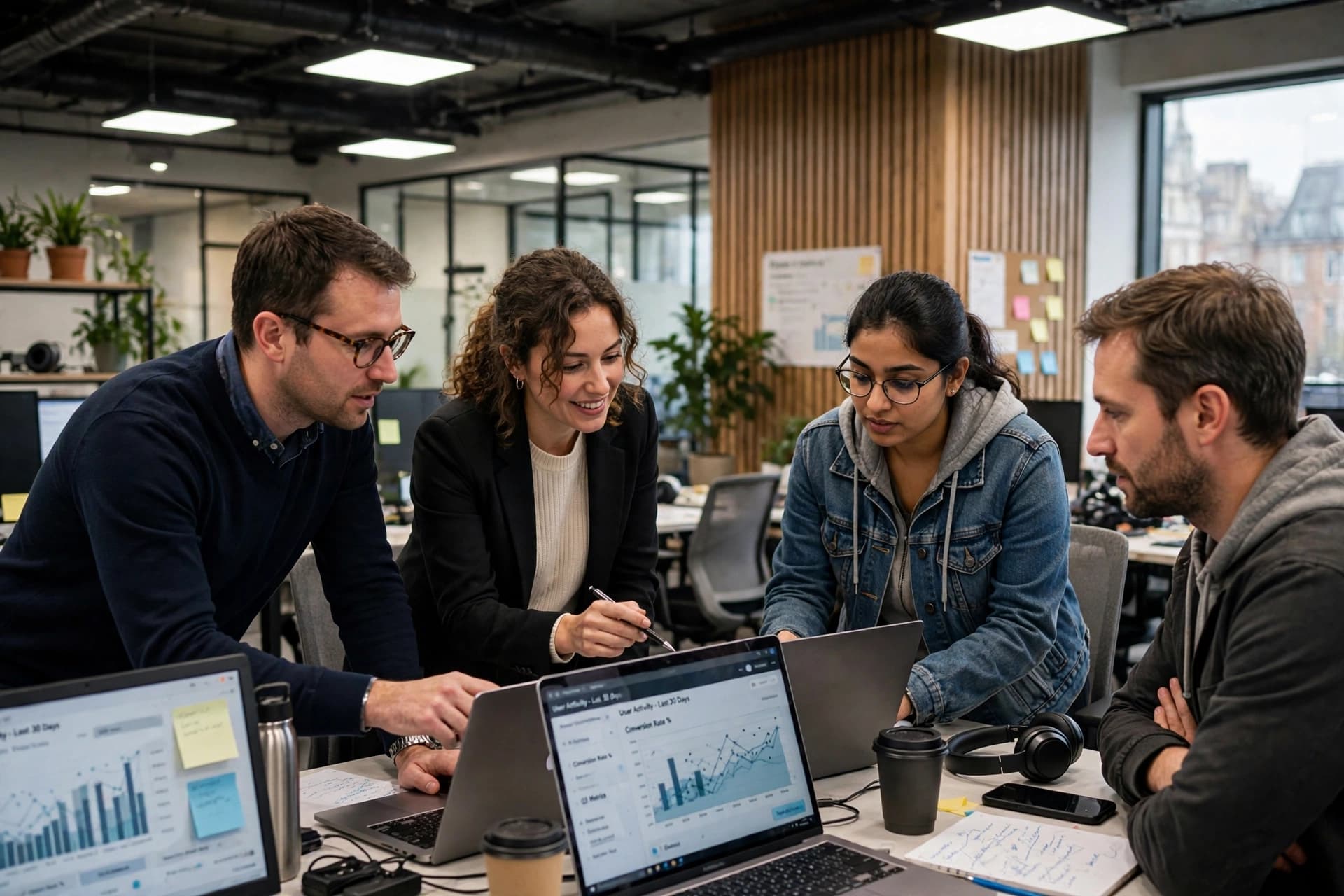
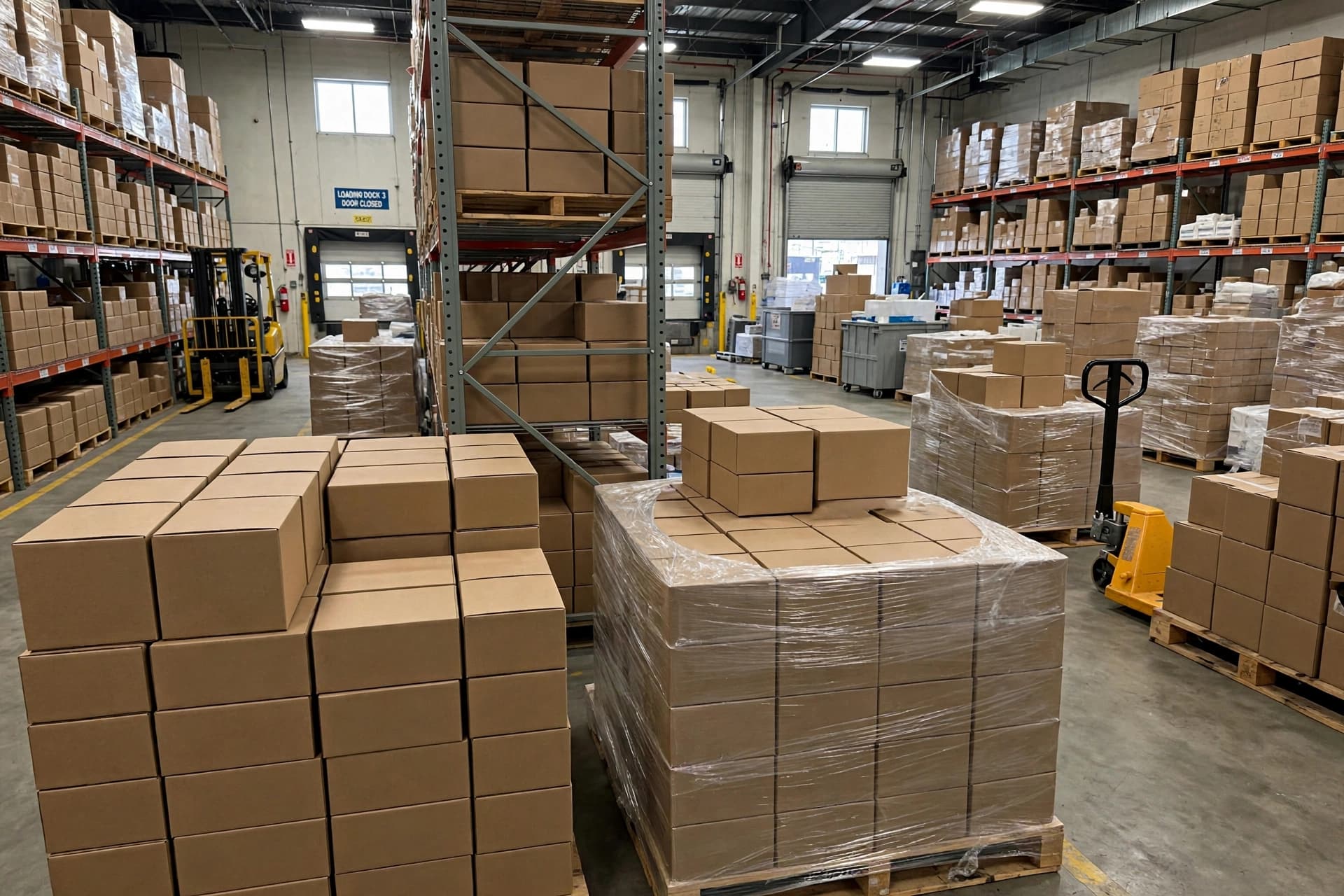
Image Disclaimer The visuals accompanying this article are AI-generated conceptual illustrations and do not depict actual Indonesian semiconductor facilities.
Sources Reuters Ministry of Industry of the Republic of Indonesia Indonesia Investment Coordinating Board International Trade Administration ASEAN The Jakarta Post Nikkei Asia
Published by Banx Network. This article is part of the Banx decentralized media programme, powered by the BXE token on the XRP Ledger.