Bali’s identity has long been shaped by its landscapes, cultural traditions, and steady movement of visitors from around the world. Alongside those familiar rhythms, another transformation is taking place as Indonesia explores how knowledge, research, and advanced technology might find a lasting home on the island. The ambition reaches beyond tourism, toward an economy in which ideas and technical expertise become increasingly valuable resources.
On October 11, 2026, ANTARA News reported that Indonesia was promoting the Kura-Kura Bali Special Economic Zone as a hub for artificial intelligence research and semiconductor development. The initiative seeks to build on growing technological and economic cooperation with China, bringing academic institutions and business interests closer together within an established special economic zone.
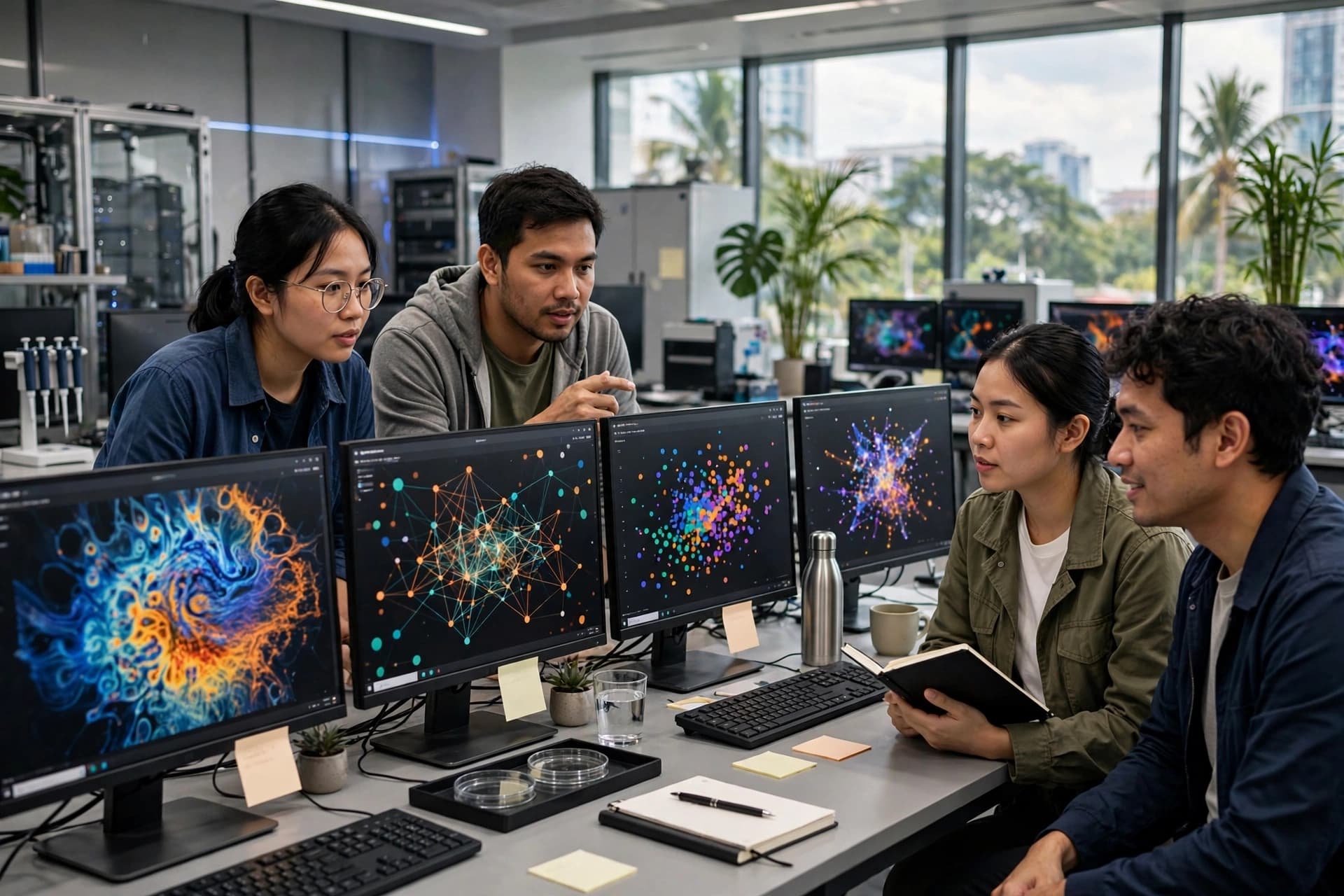
One part of this effort involves the Tsinghua Southeast Asia Center, which has introduced foundational research programs in physics and neuroscience. The center has also launched a semiconductor forum in cooperation with Beijing’s Tsinghua University. These activities provide an initial framework for academic exchange and technical collaboration, although the development of a major regional technology hub will require continued investment, research capacity, and skilled personnel.
Artificial intelligence has become a significant force in the global economy, influencing industries ranging from manufacturing and logistics to healthcare and financial services. Its development depends on more than software alone. Research institutions, computing infrastructure, reliable electricity, technical education, and access to specialized hardware all contribute to the wider ecosystem that supports innovation.
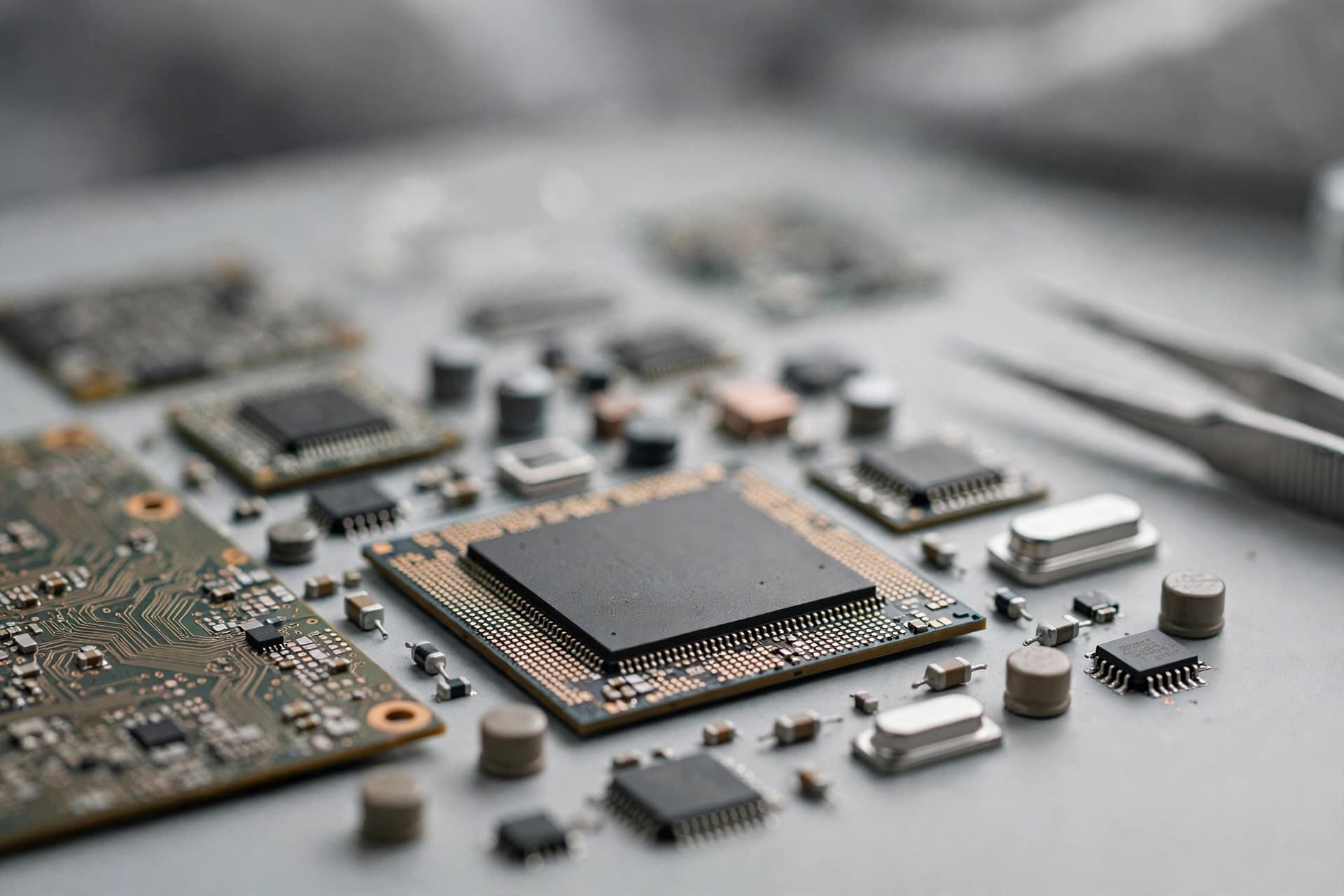
Semiconductors occupy an important place within that ecosystem. These components are essential to computers, telecommunications equipment, industrial machinery, and many AI systems. Countries seeking a stronger position in advanced technology must therefore consider not only research and design but also the broader networks of suppliers, engineers, educational institutions, and investors required to support the industry.
Indonesia already has a network of special economic zones intended to encourage investment and industrial development. According to figures cited by ANTARA, the country had 25 such zones covering approximately 23,797.88 hectares. By the second quarter of 2026, they hosted 481 business entities, including 97 Chinese enterprises, and had recorded cumulative investment of $20.7 billion. The figures illustrate the scale of the existing industrial framework in which the Bali initiative is developing.
The Kura-Kura Bali zone has its own developing economic footprint. ANTARA reported that by the first half of 2026, cumulative realized investment there had reached approximately 1.8 trillion rupiah, equivalent to about $101.12 million. The zone had generated 2,173 jobs and welcomed 131,657 visitors. These figures provide a baseline against which future research and technology projects may be assessed as they progress.
Cooperation with Chinese institutions also raises the question of how international partnerships can contribute to domestic capabilities. Investment can provide funding and access to technical expertise, but lasting benefits depend on whether local researchers, students, and businesses gain meaningful opportunities to participate. Joint research, technology transfer, workforce training, and the development of local suppliers can help turn cooperation into broader economic capacity.
For Bali, the potential expansion into advanced technology represents a different kind of economic horizon. Tourism will remain an important part of the island’s identity, while research and digital industries could create additional opportunities for education, professional employment, and international collaboration. The challenge will be to develop these activities in ways that complement the island’s existing economy and respect the environmental and social conditions that make it distinctive.
Indonesia’s promotion of the Kura-Kura Bali Special Economic Zone reflects an effort to connect the country more closely with regional research and advanced technology networks. The Tsinghua Southeast Asia Center and its semiconductor-related activities provide an early foundation for that ambition. The longer-term outcome will depend on sustained investment, research partnerships, workforce development, and the ability to translate promising initiatives into practical results.
SEO Slug: `indonesia-bali-special-economic-zone-ai-semiconductor-hub`
Hashtags: #IndonesiaTechnology #KuraKuraBali #ArtificialIntelligence #Semiconductors #TsinghuaUniversity #DigitalEconomy #BaliInvestment
Image Disclaimer
The accompanying visuals were generated with AI tools for illustrative purposes and should not be interpreted as real photographs of the facilities or research activities described.
Sources
\- ANTARA News
Published by Banx Network. This article is part of the Banx decentralized media programme, powered by the BXE token on the XRP Ledger.