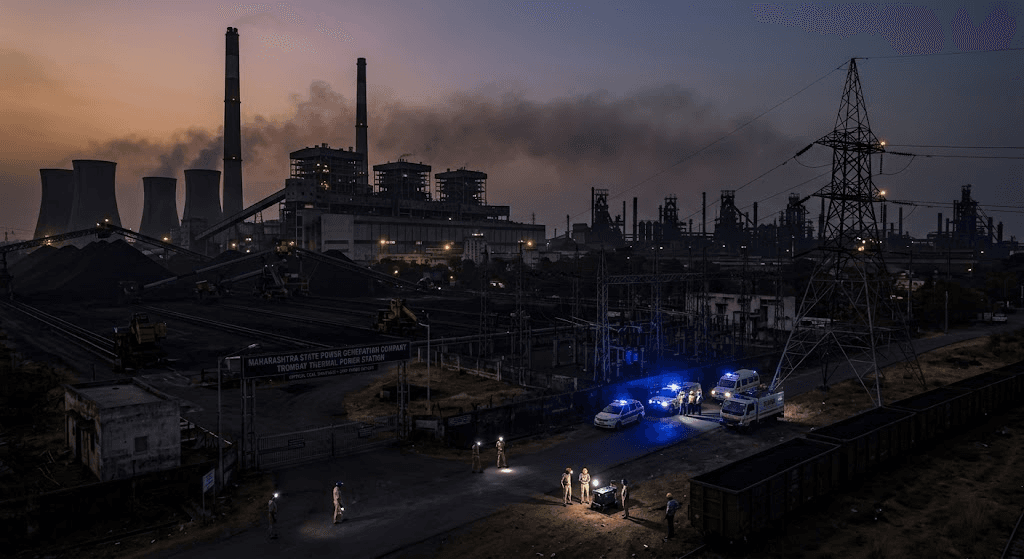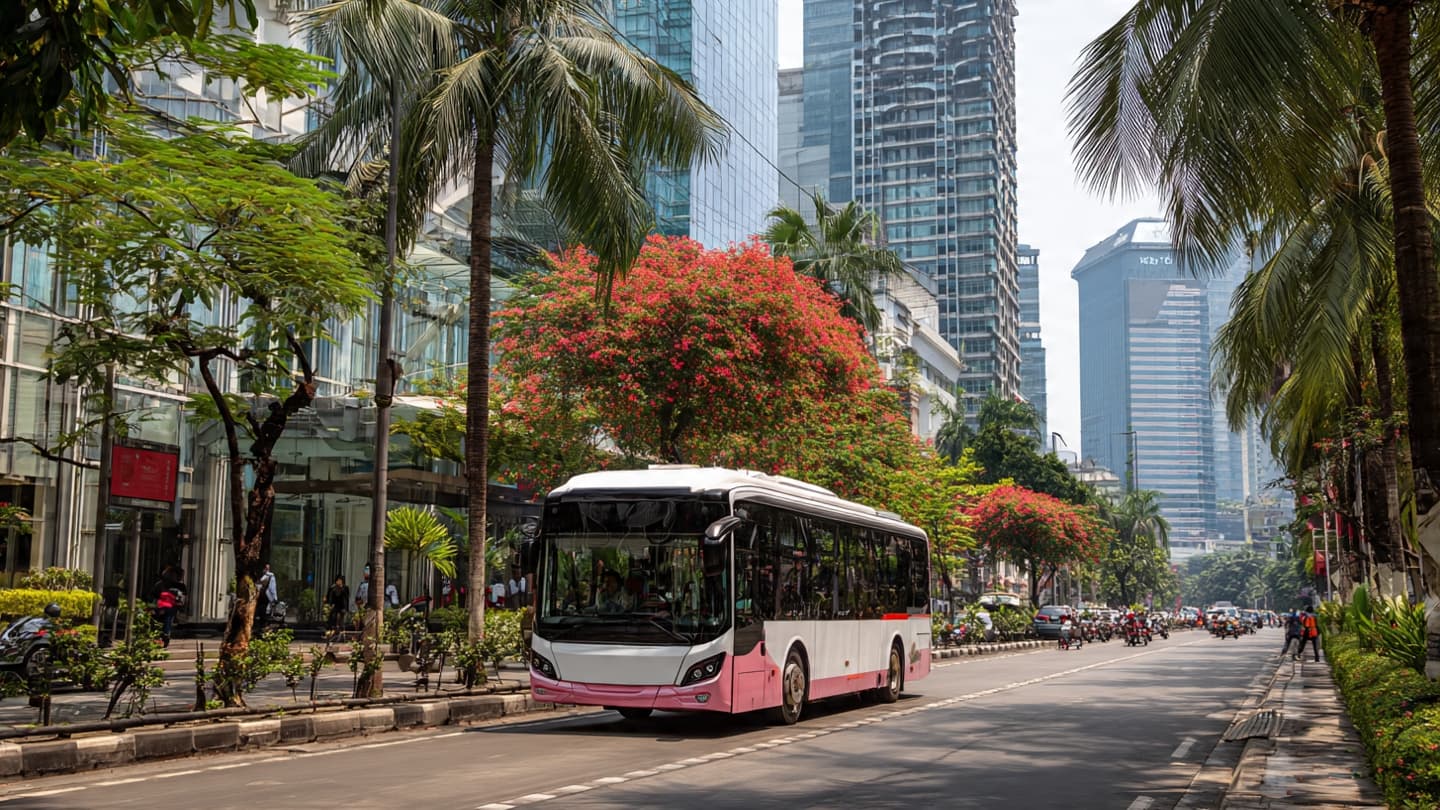
Every city has its own rhythm of movement. Morning traffic begins before sunrise, buses fill with passengers and roads gradually become crowded as the day unfolds. In Indonesia's largest cities, electric public transportation is beginning to add another rhythm to that familiar scene.
Electric buses are increasingly being introduced as cities seek alternatives to conventional diesel-powered public transport. The transition is part of a broader effort to improve mobility while reducing emissions from urban transportation.
Jakarta has been at the center of Indonesia's electric-bus development. TransJakarta has expanded its electric fleet, bringing battery-powered buses into one of the country's largest public transportation networks.
The change involves more than replacing one type of vehicle with another. Charging stations, depot infrastructure, maintenance systems and electricity supply must all be adapted to support electric fleets.
Electric buses can also change the experience of operating a city service. They produce no tailpipe emissions while running and generally operate more quietly than conventional diesel buses.
For passengers, the difference may be subtle. A bus arrives, doors open and people board just as they have before. Behind that ordinary experience, however, the energy system powering the vehicle is different.
The transition is especially relevant in dense urban environments. Transportation contributes significantly to air pollution and greenhouse-gas emissions, while traffic congestion creates additional economic and social costs.
Indonesia's push toward electric mobility also connects with its position as a major producer of nickel, a material used in many battery technologies. The country is seeking to develop more of the electric-vehicle supply chain domestically, from raw materials through manufacturing.
Still, public transportation must remain practical. Electric buses require sufficient range, reliable charging and appropriate routes. Fleet operators must also consider battery replacement costs and maintenance over the vehicles' working lives.
The shift toward electric public transport is therefore likely to unfold over years rather than months. As more buses enter service and charging infrastructure expands, Indonesian cities are gradually testing what urban mobility can look like when the energy beneath the journey becomes quieter and increasingly electric.
AI Image Disclaimer These visuals were created using AI to illustrate electric public transportation in Indonesia and are not actual photographs of specific bus fleets.
Sources ANTARA News Ministry of Transportation of Indonesia TransJakarta Ministry of Energy and Mineral Resources The Jakarta Post
Published by Banx Network. This article is part of the Banx decentralized media programme, powered by the BXE token on the XRP Ledger.