Artificial intelligence is often imagined through glowing screens and distant laboratories, but its next chapter may be found in much more ordinary places. A school kitchen, a logistics center or a government office can become part of the technology's expanding landscape.
Indonesia is planning to integrate artificial intelligence into several major public programs, including its $15 billion free-meals initiative, according to a draft presidential regulation reviewed by Reuters. The plan forms part of a broader national strategy for AI adoption.
The proposed use of AI reflects an effort to apply technology to large-scale administrative systems. Programs involving millions of people generate extensive amounts of information, creating potential opportunities for software to assist with planning, monitoring and resource allocation.
The free-meals program offers a particularly complex example. Food must move from suppliers to kitchens and then toward schools and other recipients. Coordinating those movements requires information about quantities, locations, schedules and distribution.
AI systems could potentially assist with identifying patterns within that information. They could help officials analyze demand, organize logistics and detect irregularities, although the effectiveness of such systems would depend on data quality and appropriate human oversight.
The proposal is part of a larger Indonesian ambition to strengthen its digital economy. Government planners have estimated that AI adoption could contribute substantially to economic activity by 2030, reflecting expectations that the technology will affect industries well beyond software.
Indonesia's large population provides both an opportunity and a challenge. Digital systems can potentially serve large numbers of people efficiently, but they must also operate across a country made up of thousands of islands and communities with different levels of connectivity.
That geographic reality makes infrastructure important. AI applications depend on data networks, computing capacity and reliable digital services, meaning technological ambitions must develop alongside the physical systems that support them.
There are also questions about how AI should be used in public services. Automated systems can assist human decision-making, but government programs still require accountability, transparency and people capable of evaluating the information produced by machines.
The proposed integration therefore represents an early stage rather than a completed transformation. The government still has to develop the systems, establish implementation procedures and determine how AI will interact with existing public institutions.
For now, Indonesia's strategy places artificial intelligence closer to everyday public administration. The plan includes the $15 billion free-meals program and forms part of a broader strategy that the government believes could help raise GDP by as much as 12% by 2030.
As the technology moves from laboratories into public programs, its significance will increasingly be measured by practical results: whether information can move more efficiently, resources can be managed more effectively and digital services can reach the people they are intended to serve.
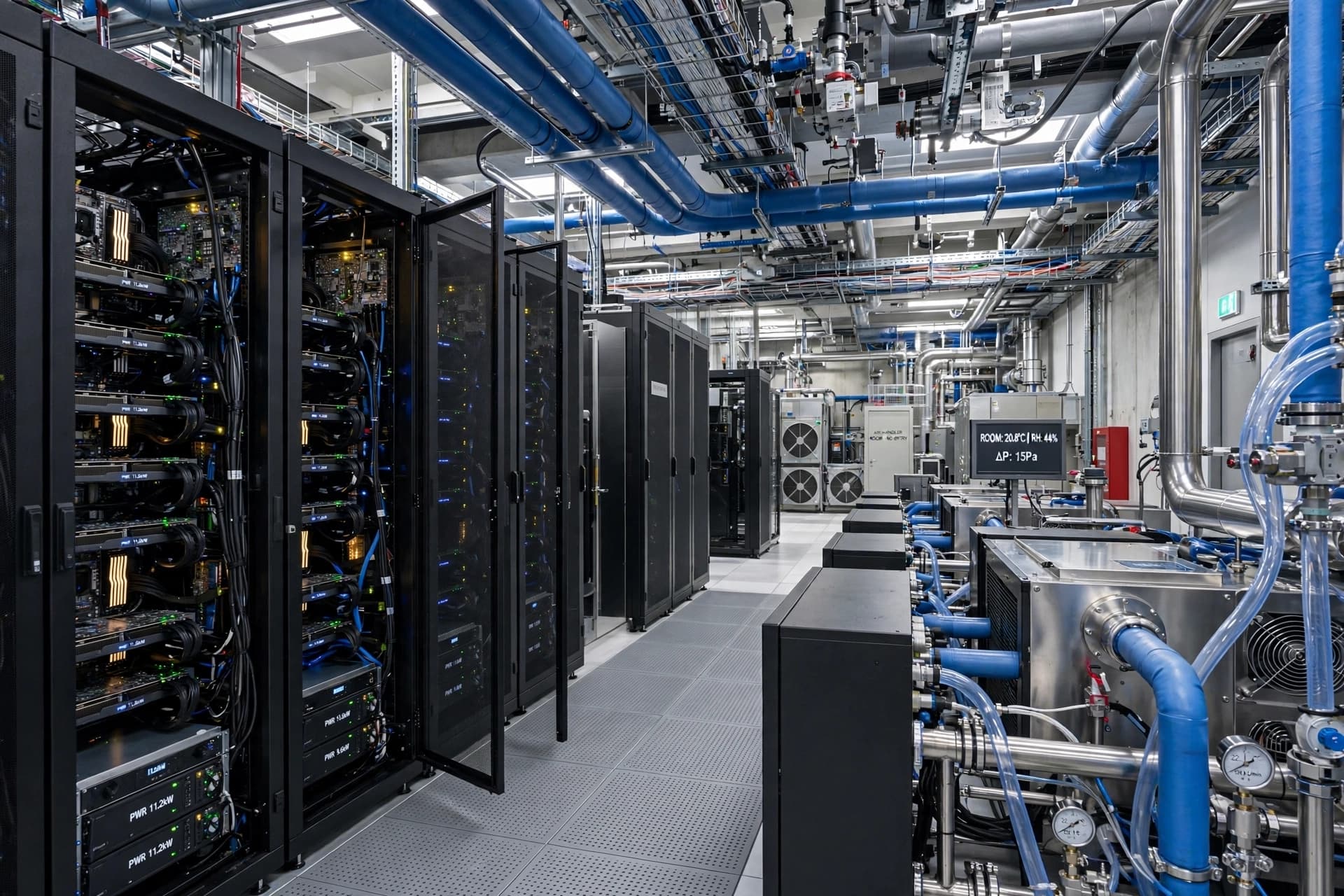
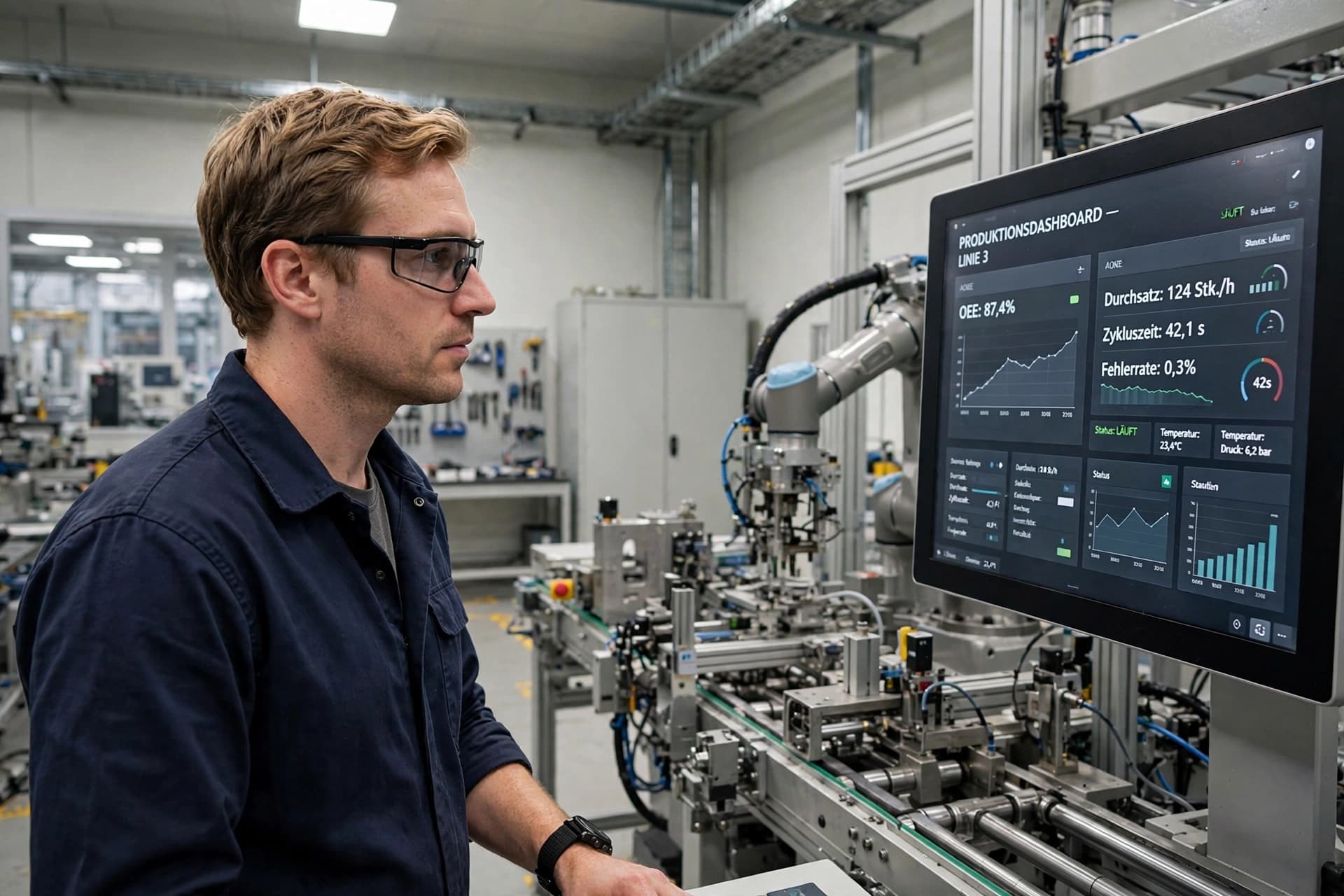
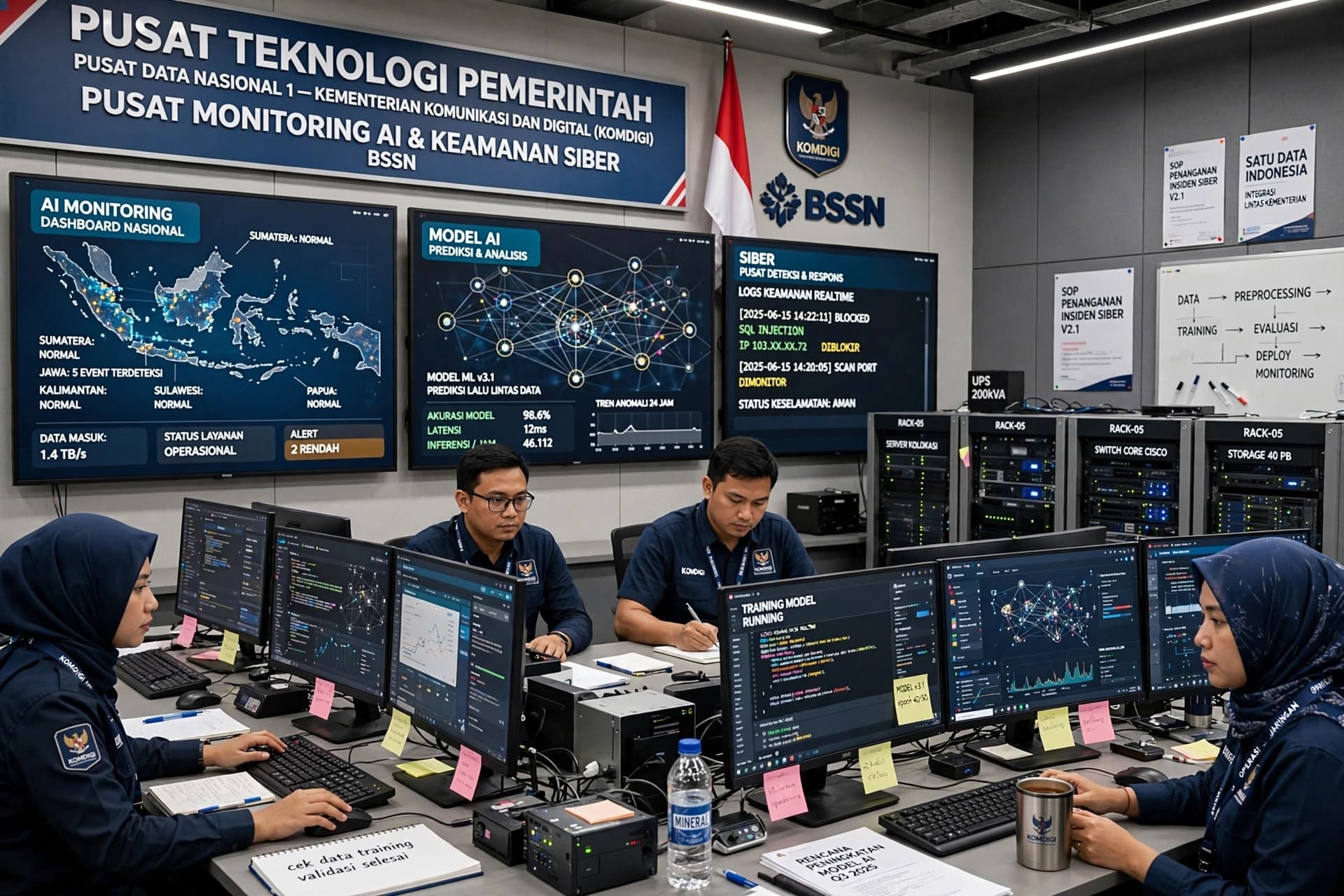
AI Image Disclaimer: These illustrations were generated with AI tools to visualize possible applications of artificial intelligence in Indonesia and do not depict actual government systems.
Sources: Reuters ANTARA National Research and Innovation Agency (BRIN)
Published by Banx Network. This article is part of the Banx decentralized media programme, powered by the BXE token on the XRP Ledger.