Factory buildings often seem permanent. Their walls remain standing through changes in technology, ownership, and generations of workers, becoming part of the landscape around them. But inside the automotive industry, permanence has become harder to assume as vehicle technology and production economics change.
Volkswagen’s chief financial officer, Arno Antlitz, said four German production sites currently lack an economically viable follow-up product once existing vehicle programs end. The comments were reported by Reuters on August 31.
The statement reflects the broader transformation facing Germany’s automotive industry. Manufacturers are moving from combustion-engine vehicles toward electric cars while simultaneously adjusting to changes in consumer demand, competition, production costs, and global supply chains.
For Volkswagen, Germany remains central to its industrial identity. The company operates major facilities across the country, employing large numbers of workers and supporting extensive networks of suppliers, logistics providers, engineering firms, and service businesses.
The challenge is that electric vehicles can require different production processes and, in some cases, fewer components than traditional combustion-engine vehicles. Factories designed around older technologies therefore need investment and adaptation if they are to remain competitive.
Competition is also changing. Chinese electric-vehicle manufacturers have expanded rapidly, while European and American automakers are investing heavily in new platforms, batteries, software, and production technologies.
Germany’s industrial environment adds another layer. Energy costs, labor expenses, environmental requirements, and the need for highly skilled workers all influence decisions about where future vehicle production should take place.
Volkswagen has said it will work to protect employment at its German sites as effectively as possible. Yet the company’s comments indicate that economic viability remains central to decisions about future products and factory utilization.
The issue extends beyond Volkswagen itself. Automotive factories can serve as anchors for entire communities, with local suppliers and service businesses often depending heavily on production volumes. Changes inside a large factory can therefore gradually affect the economic rhythm of surrounding regions.
At the same time, Germany’s automotive sector is not standing still. Investment in electric vehicles, software, batteries, and advanced manufacturing continues, creating the possibility that some facilities will transition toward different forms of production.
The question now is how quickly those changes can take shape. For four Volkswagen sites, the absence of a clear follow-up production plan illustrates the uncertainty created when an established industrial model meets a new technological era. The factories remain, but their next chapter has yet to be written.
AI IMAGE DISCLAIMER
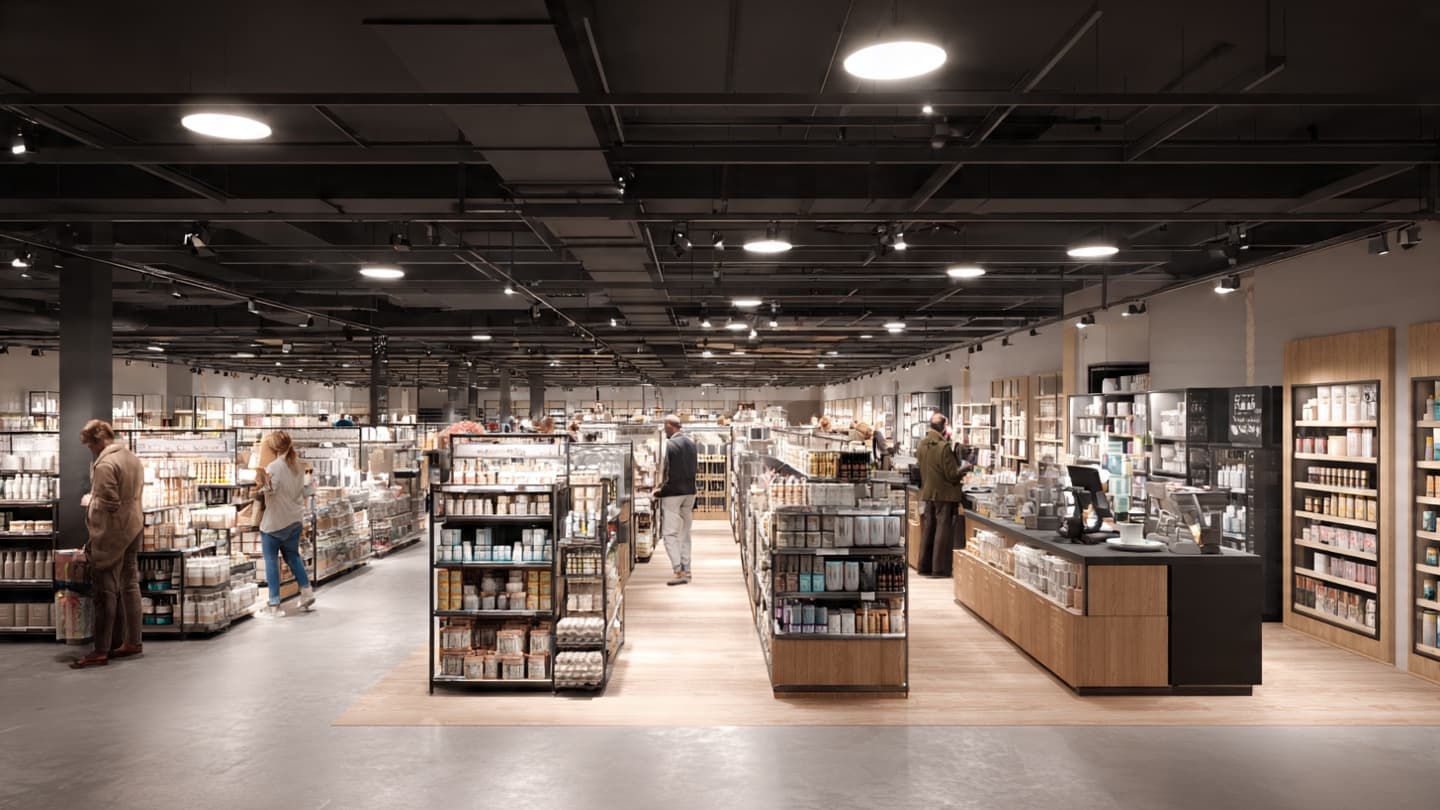
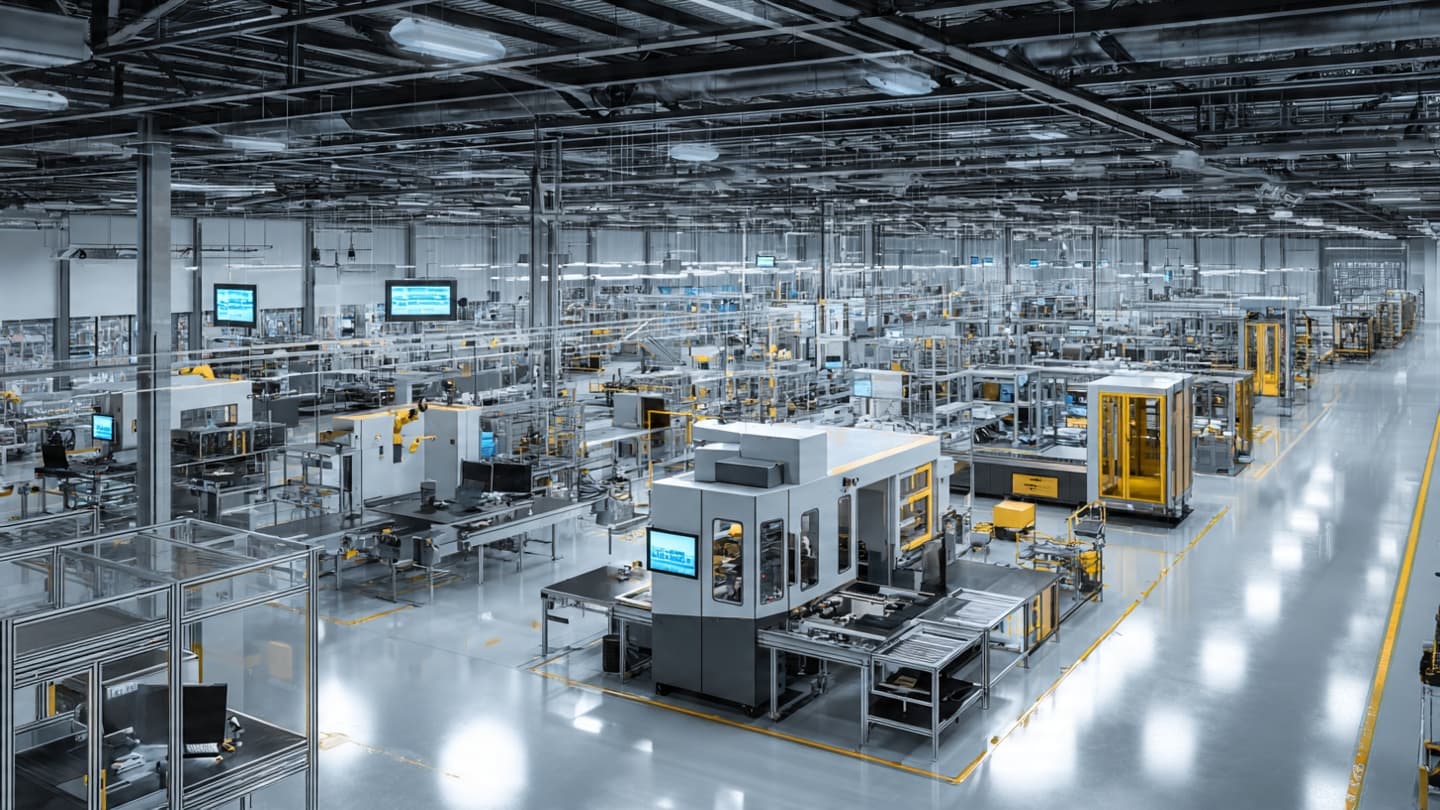
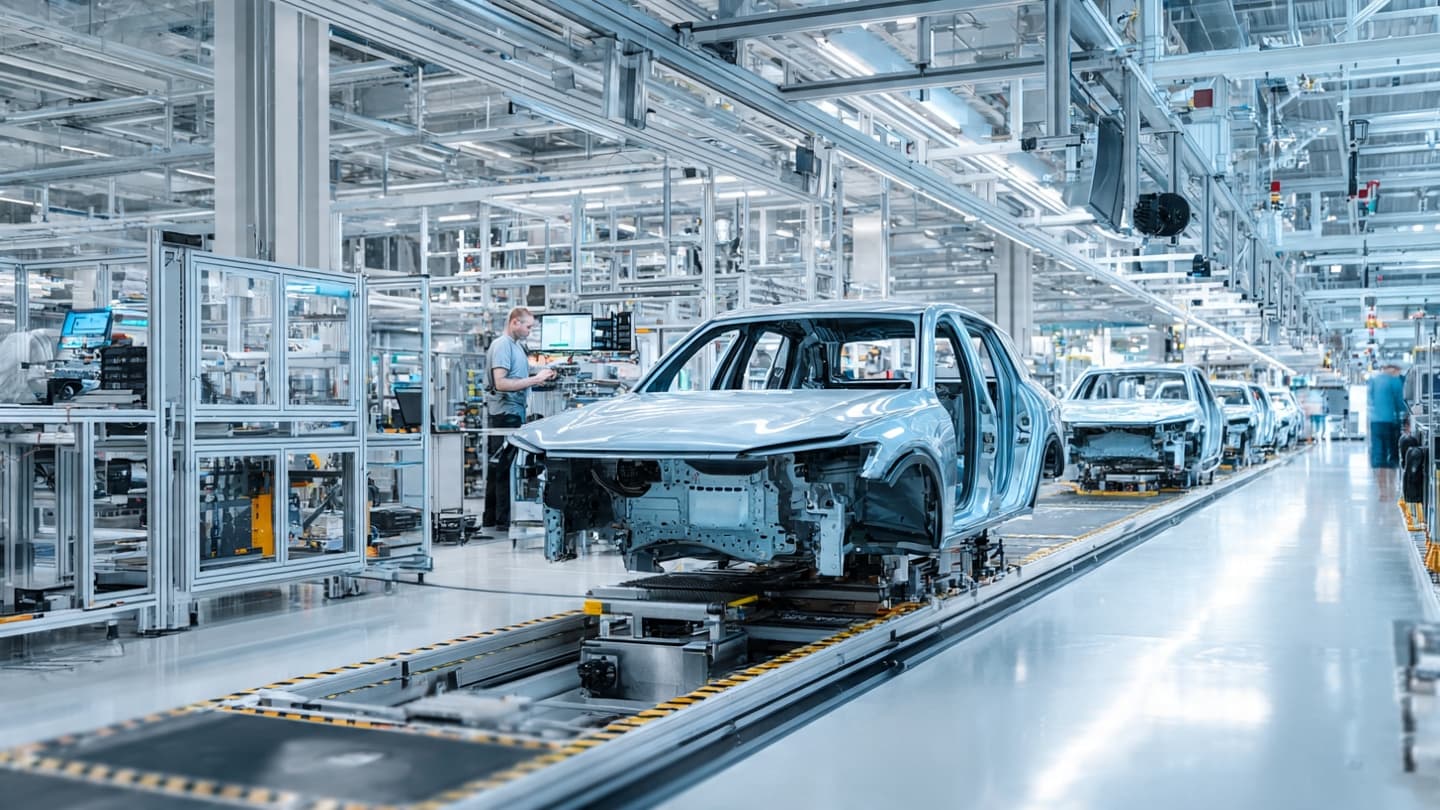
These visuals were created using AI tools and are conceptual representations of Germany’s automotive manufacturing industry, not actual photographs.
SOURCES
Reuters Volkswagen Germany Trade & Invest
Published by Banx Network. This article is part of the Banx decentralized media programme, powered by the BXE token on the XRP Ledger.