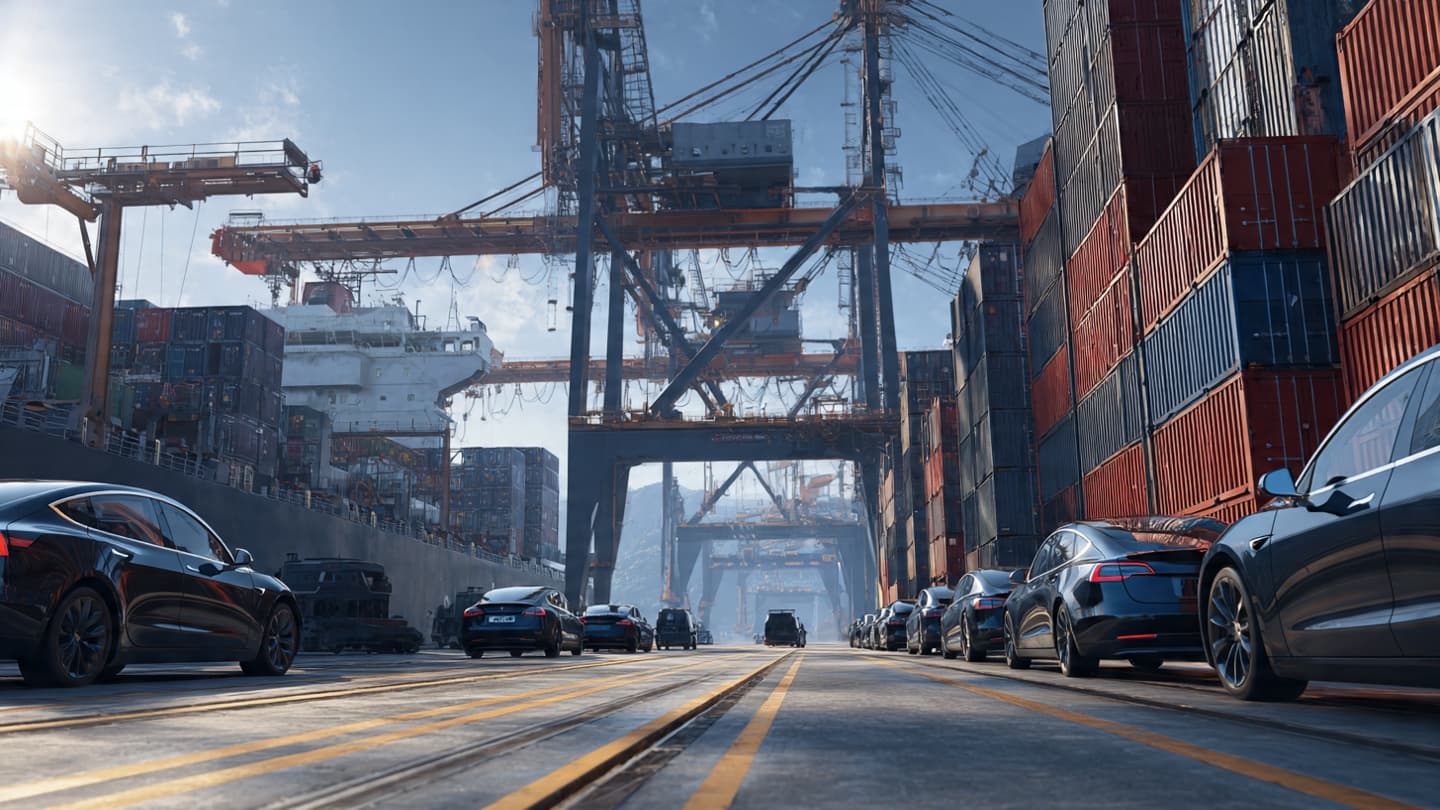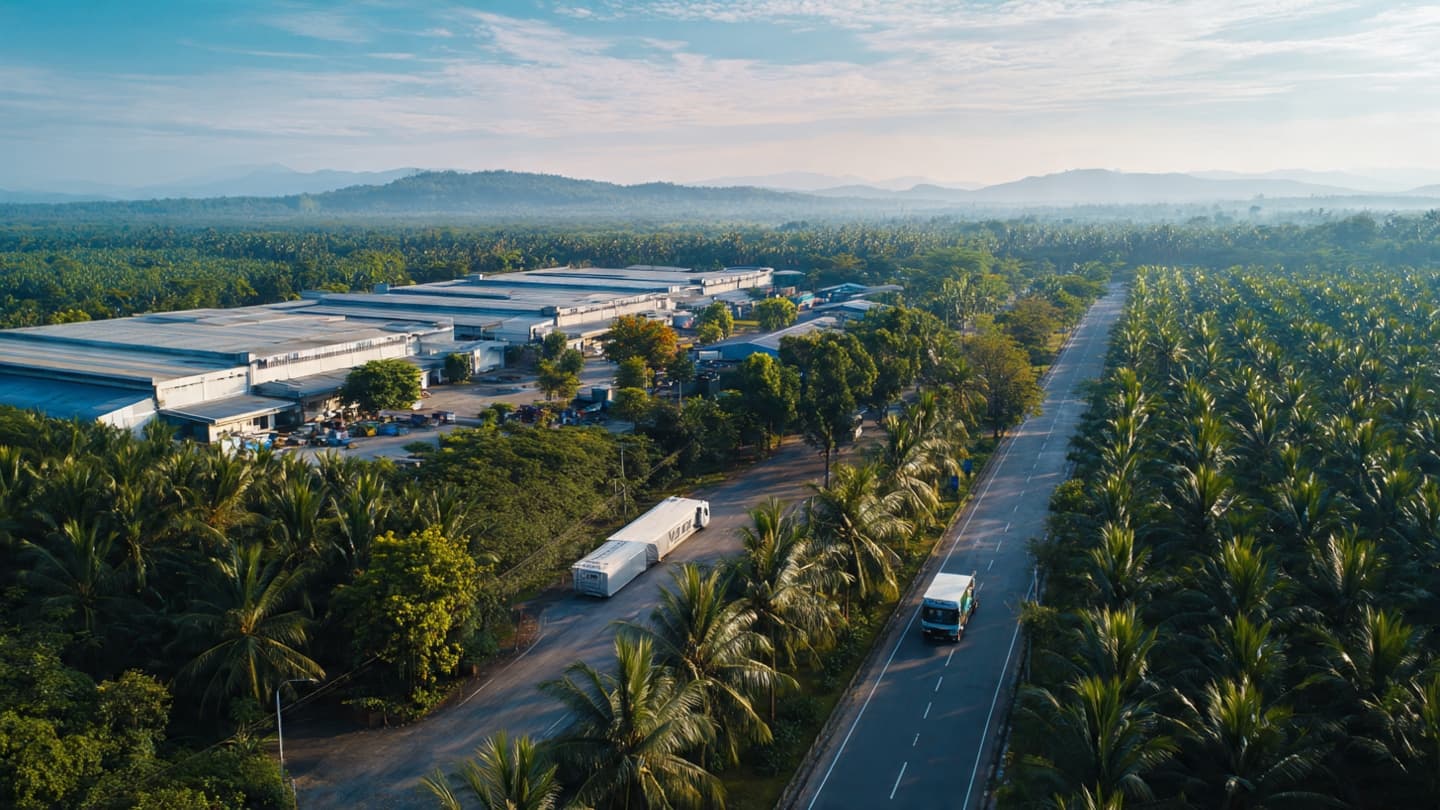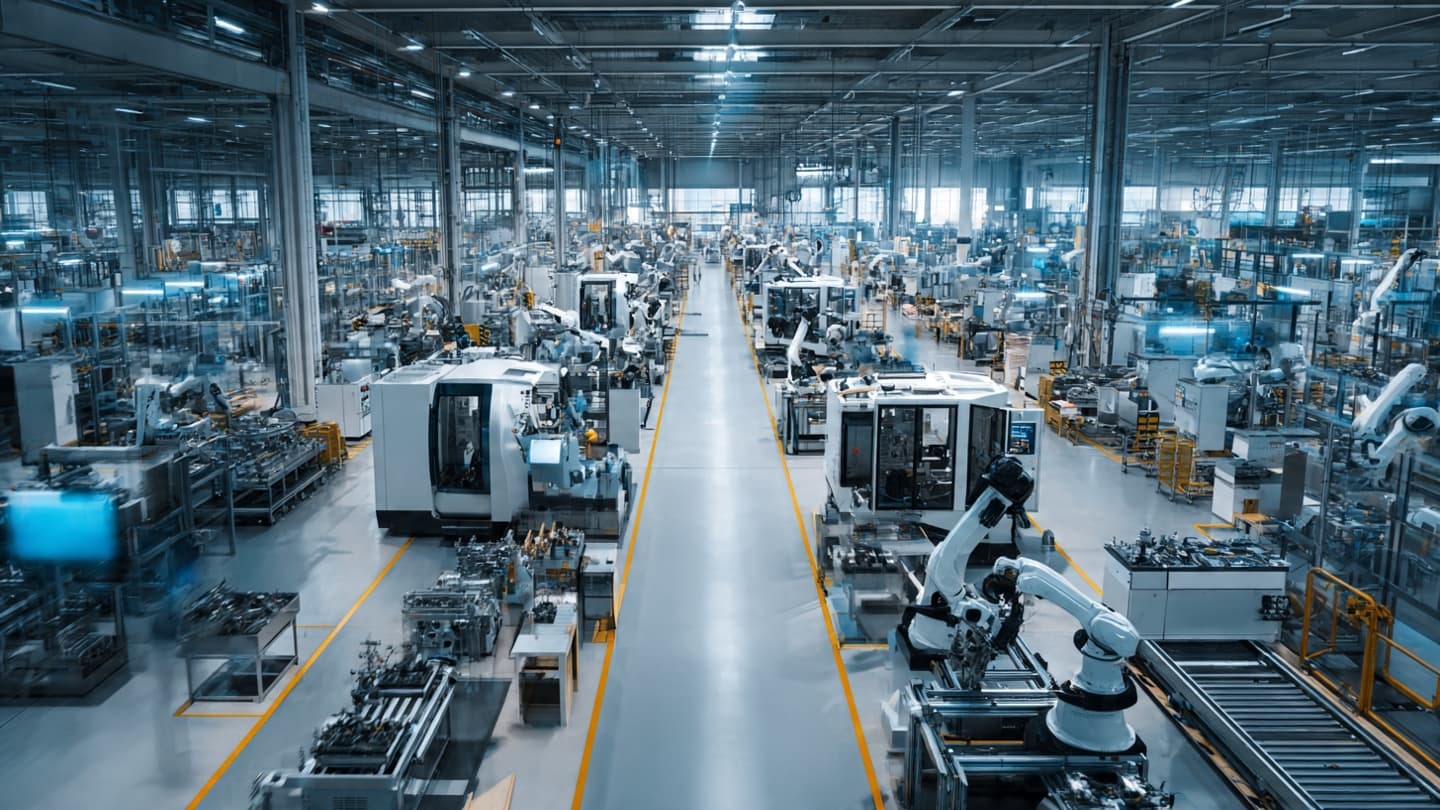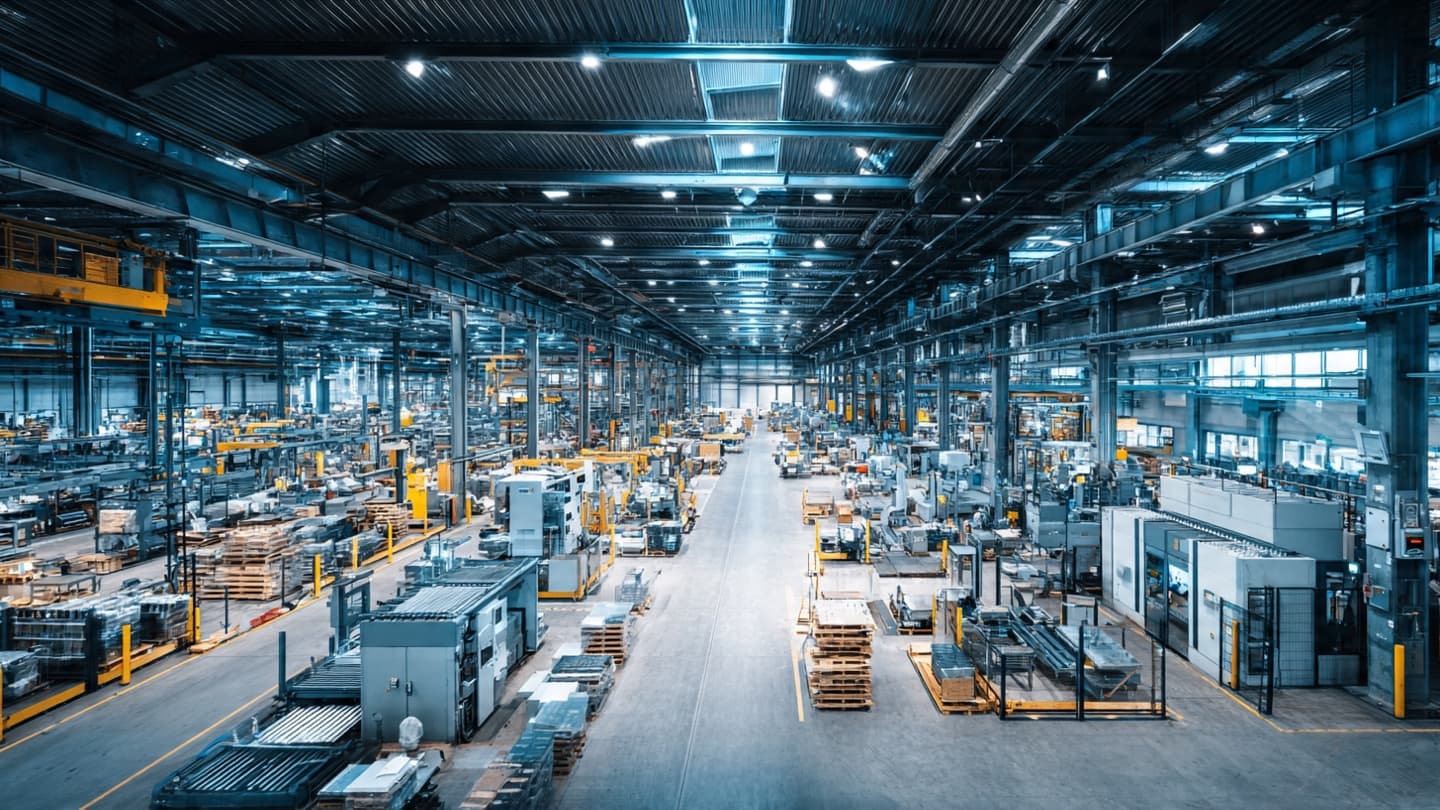
There are mornings in Germany when the sound of a factory seems to carry farther than usual. Machines begin their familiar movement, trucks arrive at loading bays, and workers step into buildings whose rhythms have been shaped by decades of industrial life. In August, that rhythm grew noticeably stronger.
Germany’s manufacturing sector recorded a significant acceleration during the month, according to a business survey released September 1. New orders increased sharply, helping production growth reach its strongest level since January 2022.
The change is important because German industry has spent a long period moving through weak demand and structural pressures. Automotive manufacturing, chemicals, machinery, and other export-oriented industries have faced changing global markets, higher costs, and increasingly intense competition.
The latest improvement suggests that some of those pressures may be easing, at least temporarily. New orders provide factories with a clearer reason to increase production, replenish inventories, and make greater use of existing capacity.
Germany’s industrial network is unusually broad. Large manufacturers are surrounded by thousands of specialized suppliers producing everything from precision components to industrial equipment, meaning changes in demand can gradually travel through entire regional economies.
The improvement also arrives as European manufacturers continue adapting to a changing technology landscape. Electric vehicles, renewable-energy equipment, automation, and advanced electronics are reshaping investment decisions and creating new areas of industrial demand.
Yet the latest figures do not erase the difficulties facing German companies. Energy costs remain an important consideration, while international competition continues to pressure manufacturers to improve efficiency and reconsider where future production should take place.
The contrast can be seen within the automobile industry. Volkswagen’s finance chief recently said four German sites currently lack economically viable follow-up production once existing products are phased out in the early 2030s, illustrating the longer-term restructuring pressures facing some major manufacturers.
That makes the August manufacturing improvement particularly interesting. Germany’s industrial story is not simply one of recovery or decline, but of different forces moving at different speeds. New orders can strengthen today’s production schedules while companies continue making difficult decisions about tomorrow’s factories.
As September begins, the stronger flow of orders gives German manufacturers a more favorable starting point than they had earlier in the year. Whether the momentum continues will depend on domestic demand, exports, investment, and the ability of factories to remain competitive in a changing global market.
AI IMAGE DISCLAIMER
The illustrations were created using AI tools and are conceptual representations of German industrial activity, not real photographs.
SOURCES
Reuters S&P Global HCOB
Published by Banx Network. This article is part of the Banx decentralized media programme, powered by the BXE token on the XRP Ledger.