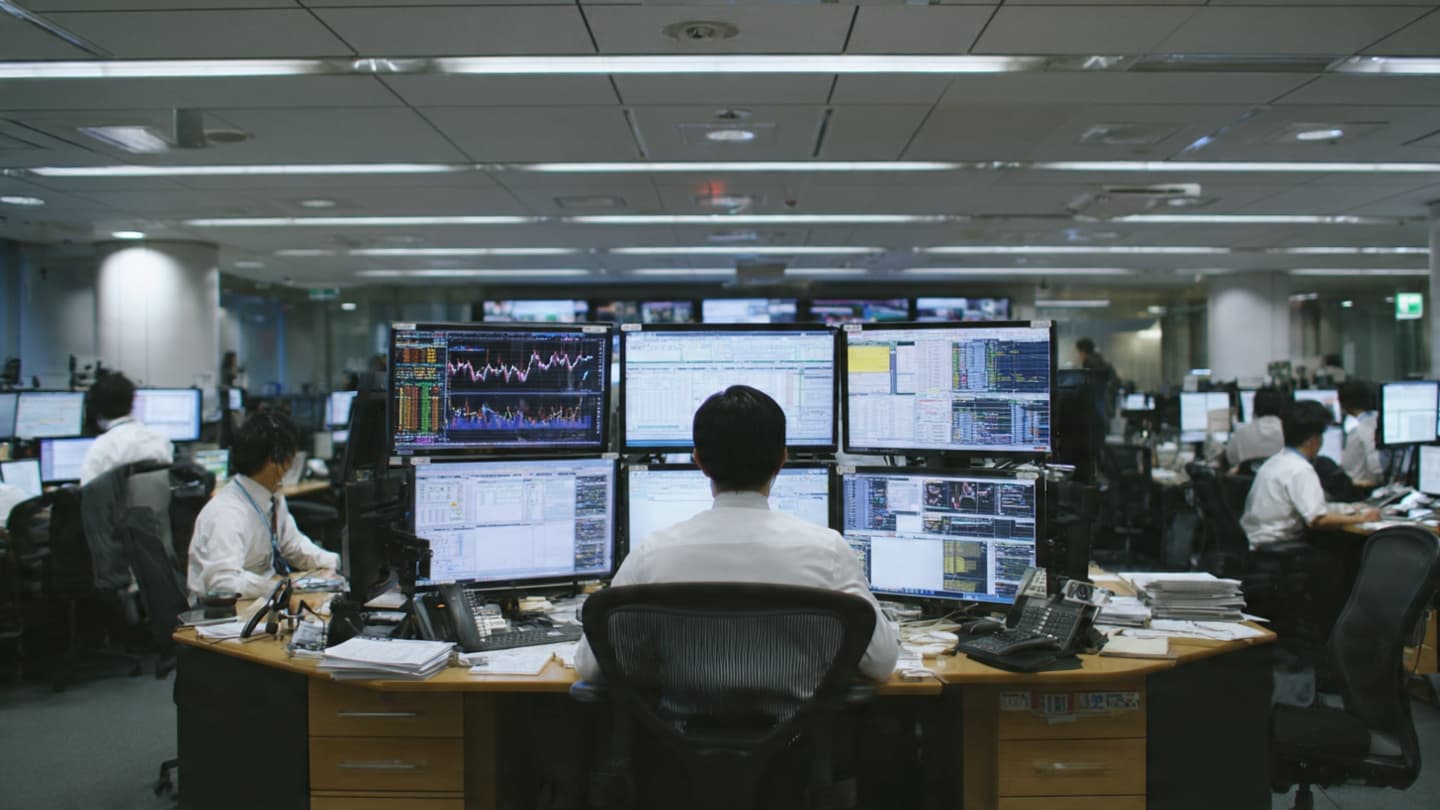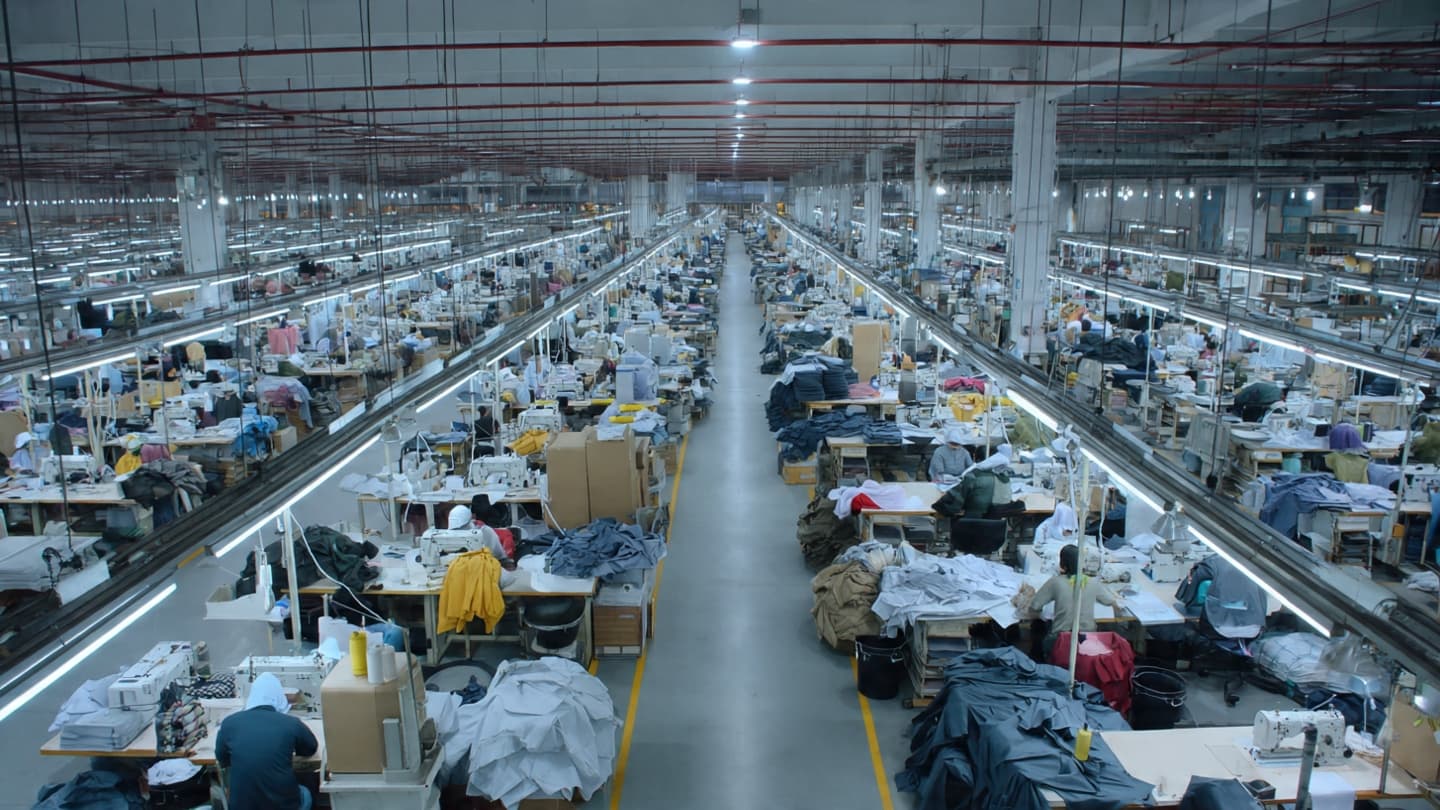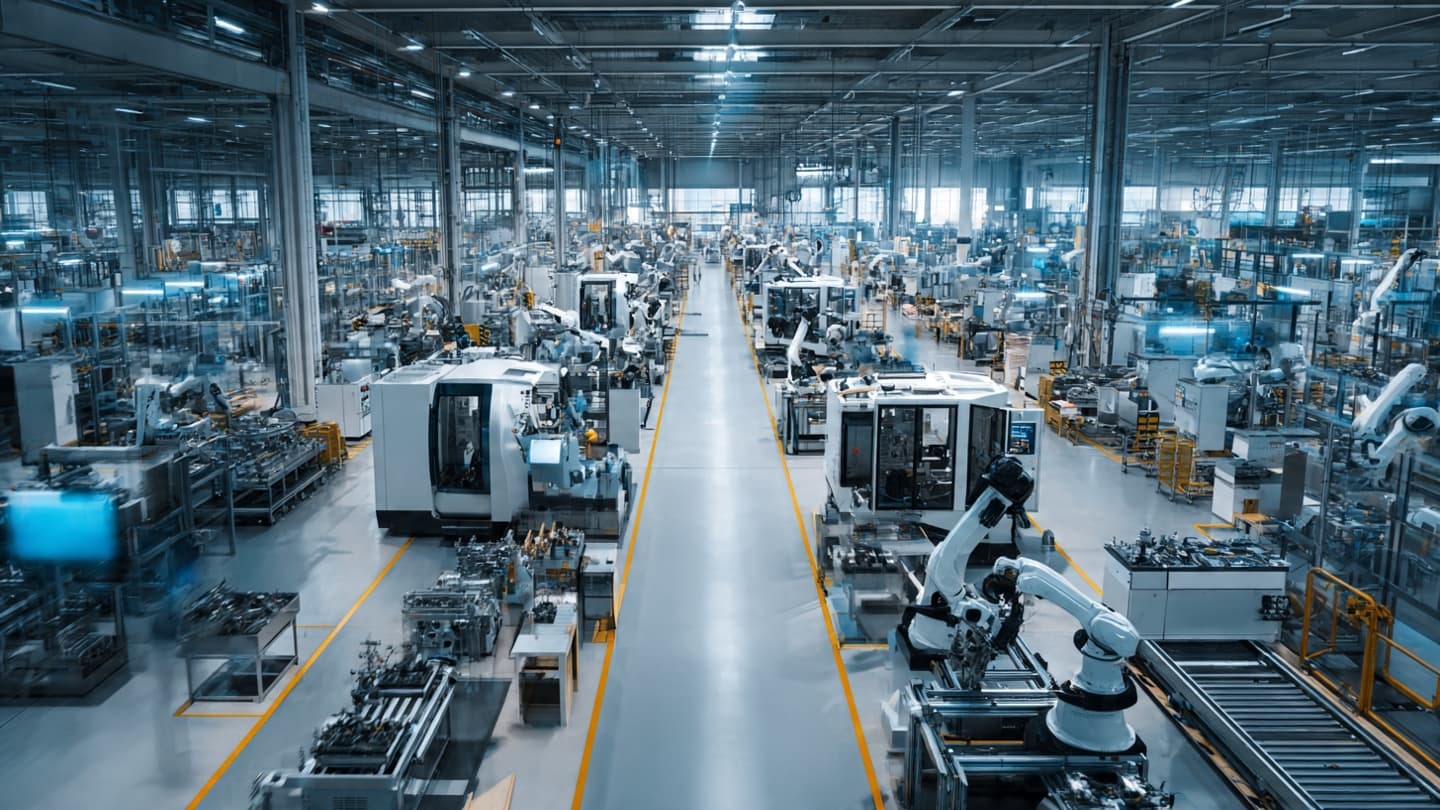
In Japan, the machinery of investment often moves quietly. It can be seen in new factory equipment, upgraded production lines, research facilities, and increasingly in the infrastructure required to support artificial intelligence. Behind the country's familiar industrial landscape, companies are committing more capital as demand for advanced technology changes the shape of future production.
Japanese companies increased capital spending by 1.6% year over year in the second quarter of 2026, according to data from the Finance Ministry. The increase followed almost no growth in the previous quarter and provided a stronger signal of corporate investment activity.
The quarterly improvement was also reflected in seasonally adjusted figures. Capital expenditure rose 1.5% from the previous quarter, suggesting that companies were continuing to invest despite a broader environment in which household and business spending remained relatively subdued.
Artificial intelligence has become one of the important forces behind that investment. Demand for AI-related technology has encouraged companies across Asia to expand production and increase spending on semiconductors, computers, advanced machinery, and other equipment connected to the digital economy.
Japan has particular strengths in several parts of this industrial chain. Its companies produce semiconductor equipment, electronic components, precision machinery, robotics, and other technologies used by manufacturers around the world.
The latest figures also showed stronger corporate earnings. Japanese companies recorded sales growth of 5.9%, while recurring profits reached a record 44.7 trillion yen, according to the Finance Ministry data reported by Reuters. A weaker yen and lower U.S. tariffs contributed to the improvement.
That combination of stronger profits and increased capital spending can create a useful cycle. Companies with healthy earnings have greater room to invest, while investment in machinery and technology can increase productive capacity and improve competitiveness over time.
The areas receiving attention extend beyond traditional factories. Japan has been encouraging investment in artificial intelligence, semiconductors, advanced manufacturing, and energy infrastructure as companies search for new sources of productivity in an economy facing demographic and labor constraints.
There is also a wider regional context. Japan's manufacturing PMI climbed to 54.9 in August, the strongest pace of new business growth since 2018, as demand for AI-related products helped support factory activity across Asia.
The investment figures therefore arrive at a moment when Japanese industry is finding new reasons to expand. From semiconductor equipment to automated manufacturing, corporate spending is increasingly connected to technologies expected to shape the next generation of global production.
AI IMAGE DISCLAIMER
These AI-generated illustrations are conceptual representations of Japanese manufacturing and technology investment and are not real photographs.
SOURCES
Reuters Japan Ministry of Finance S&P Global
Published by Banx Network. This article is part of the Banx decentralized media programme, powered by the BXE token on the XRP Ledger.