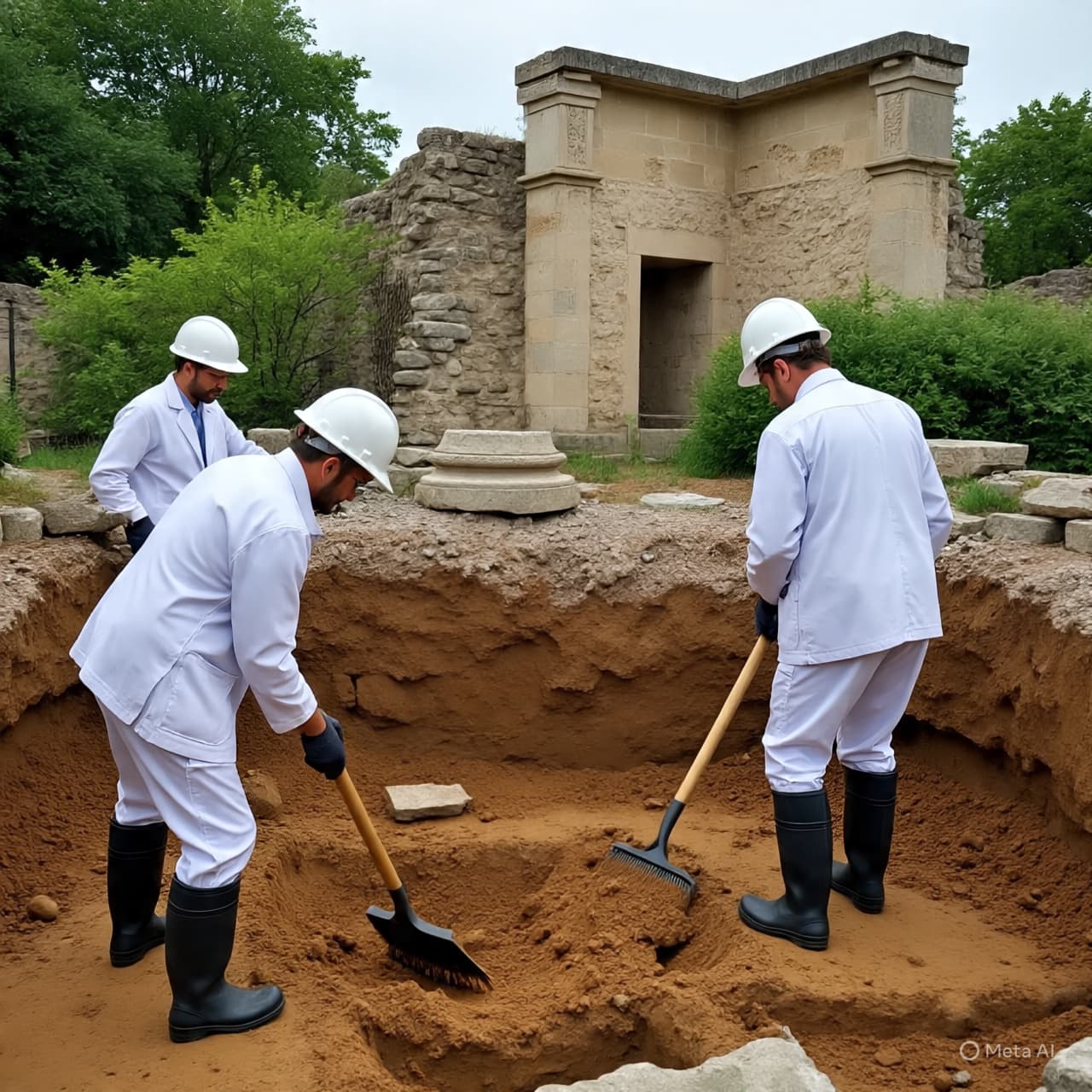
History often lingers beneath the surface, quiet and unseen, waiting for a method gentle enough to uncover it. Through advances in genetic research, fragments of the past are beginning to speak again, as scientists studying ancient DNA near Paris uncover traces of a population that once lived—and then disappeared.
The study, conducted by an international team of researchers, analyzed genetic material from ancient human remains found in the region surrounding Paris. The findings suggest that an earlier population was largely replaced by incoming groups thousands of years ago.
This transition appears to have occurred during a period of broader migration across Europe. Genetic evidence indicates that new populations introduced distinct ancestry patterns, gradually becoming dominant in the region.
Researchers emphasize that such changes were not necessarily abrupt. Instead, they likely unfolded over generations, shaped by migration, intermarriage, and shifting social dynamics.
The use of ancient DNA has transformed the study of human history. By comparing genetic markers across time, scientists can trace population movements with increasing accuracy, offering insights that traditional archaeology alone cannot provide.
In this case, the findings contribute to a growing body of evidence that prehistoric Europe experienced multiple waves of migration. These movements helped shape the genetic and cultural landscape seen today.
The study also highlights the complexity of identity in ancient societies. Rather than static populations, early communities were often fluid, influenced by external interactions and environmental changes.
As research continues, each discovery adds nuance to the human story—revealing that even in familiar places, the past may hold chapters still waiting to be understood.
AI Image Disclaimer: Some visuals accompanying this article are AI-generated interpretations of archaeological and genetic research.
Sources: Nature, BBC, National Geographic
Published by Banx Network. This article is part of the Banx decentralized media programme, powered by the BXE token on the XRP Ledger.