The first days of September often bring a subtle change to Britain’s industrial landscape. Summer schedules begin to fade, production calendars are redrawn, and factories look toward the final stretch of the year. In August, British manufacturing moved more slowly, but the employment picture offered a quieter sign of confidence.
The latest manufacturing Purchasing Managers’ Index showed that activity growth weakened to its slowest pace since March. The sector nevertheless remained in expansion territory, suggesting that factories were still producing more even as the speed of growth diminished.
What makes the latest figures more interesting is the movement in employment. British factories increased hiring at the fastest pace in more than two years, creating a contrast between slower production growth and stronger demand for workers.
Employment decisions inside manufacturing often reflect expectations that extend beyond a single month. Companies may add workers when they anticipate future orders, need to replace departing employees, or prepare production facilities for upcoming projects.
The stronger hiring figure therefore provides a different view of the industrial economy. While August production was not as energetic as earlier in the year, some manufacturers appeared willing to strengthen their workforce rather than simply reduce costs.
Britain’s industrial base is broad, ranging from automotive and aerospace production to pharmaceuticals, machinery, food manufacturing, chemicals, and advanced technology. Conditions can differ considerably between these industries, meaning the national PMI captures a collection of different industrial currents.
Export demand remains particularly important. British manufacturers depend on customers across Europe, North America, and Asia, while changes in international supply chains can quickly influence orders received by domestic factories.
The sector is also adapting to longer-term changes. Automation, digital manufacturing, energy efficiency, and advanced engineering are reshaping production methods while companies seek to remain competitive in a world where industrial investment is increasingly technology-driven.
The combination of softer output and stronger hiring suggests that August should not be read as a simple deterioration. Instead, the data show an industrial sector moving at a more measured pace while maintaining enough confidence to add workers.
As September begins, British manufacturers face a mixed landscape. Production growth has lost some speed, but employment has strengthened. The coming months will reveal whether the stronger labor-market signal develops alongside renewed orders and a broader improvement in factory activity.
AI IMAGE DISCLAIMER
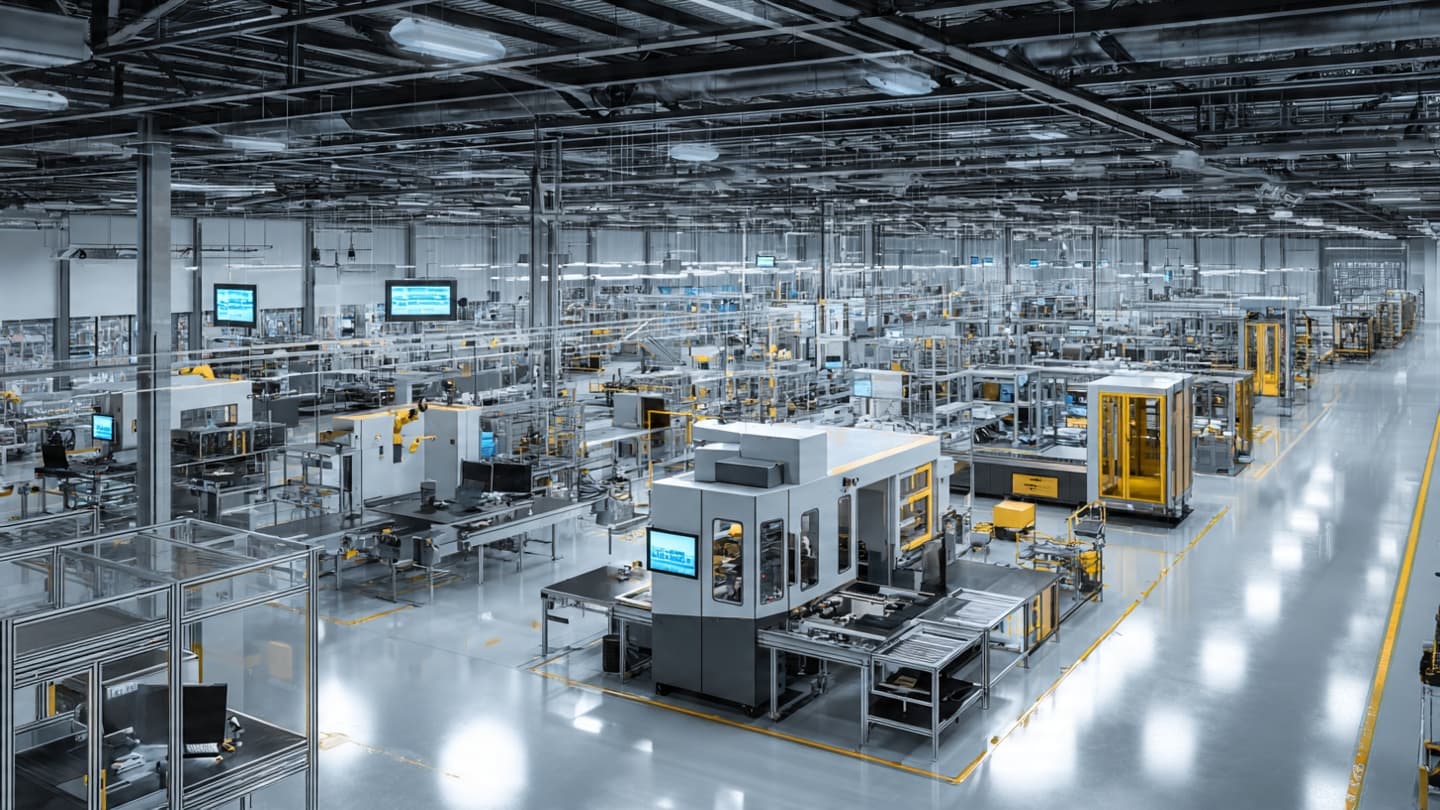
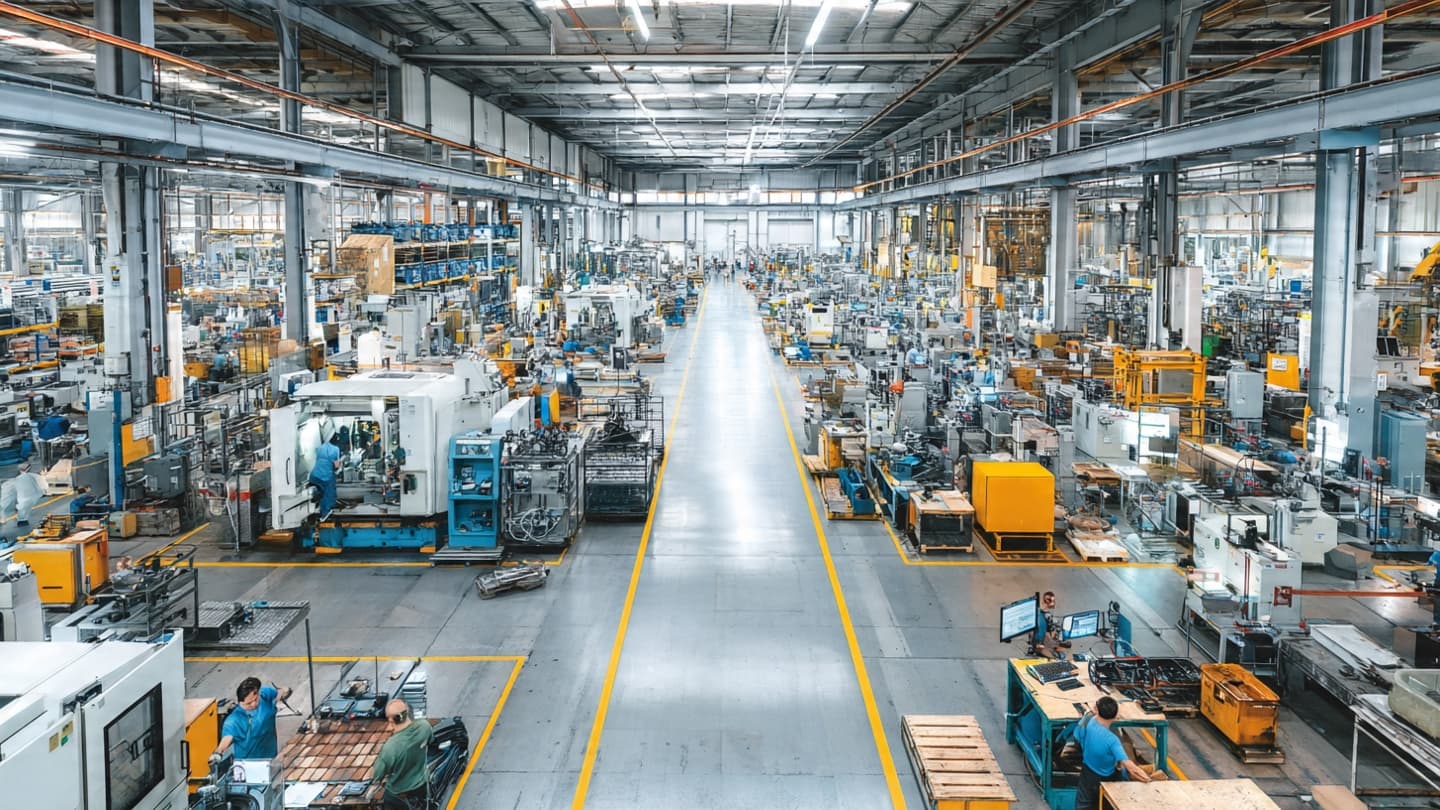
These AI-generated illustrations are conceptual representations of British manufacturing activity and employment, rather than actual photographs.
SOURCES
Reuters S&P Global Bank of England
Published by Banx Network. This article is part of the Banx decentralized media programme, powered by the BXE token on the XRP Ledger.