Economic resilience can sometimes look stronger from a distance than it feels inside a business. National output may continue to rise while individual companies measure energy bills, wages, financing costs and customer demand with greater care. Britain has entered the second half of 2026 with that contrast increasingly visible: economic activity has remained positive, yet businesses continue to navigate a difficult cost environment.
Britain's economy expanded 0.4 percent in the second quarter of 2026, according to the Office for National Statistics, while monthly GDP increased 0.3 percent in June. The figures were stronger than some expectations and showed that the economy retained momentum despite pressures affecting businesses and households.
Services provided much of the support behind the latest growth. The sector expanded during June, helping offset declines in industrial production and construction. For Britain, where services represent a large share of total economic activity, that resilience is particularly important to the overall direction of GDP.
But the strength of headline growth does not necessarily mean that all businesses are experiencing easier conditions. Energy costs remain a significant concern for companies with high electricity or gas consumption. Manufacturers, transport businesses, hospitality operators and other energy-intensive firms can be especially sensitive to changes in wholesale and retail energy prices.
Earlier in the year, Britain's economy experienced pressure from higher energy costs associated with international oil and gas markets. Reuters reported that the resulting increase in business costs affected activity among British firms, with services companies recording sharp increases in input costs during periods of heightened energy pressure.
Energy is only one part of the equation. Businesses are also managing wage costs, financing expenses, supply-chain pressures and changing consumer behavior. For smaller companies, these costs can have a particularly visible effect because they often have less financial room to absorb sudden increases without adjusting prices or reducing other expenses.
The recent economic data nevertheless show that businesses have continued operating through those pressures. Investment in technology and equipment has remained an important source of activity, while the growing adoption of artificial intelligence has provided opportunities for some sectors to expand productivity and develop new services.
Consumer demand presents another variable. Britain's retail sector has faced a complicated environment in which shoppers remain sensitive to prices. At the same time, food inflation has recently been lower than earlier forecasts suggested. Reuters reported that British food inflation had fallen to 1.7 percent in June, helped by supermarket competition, promotions and efforts by retailers and suppliers to control costs.
For businesses, lower food inflation can provide some relief to consumers, but margins remain an important consideration. Retailers may absorb some costs to maintain market share, while suppliers face their own expenses. The result is an environment in which headline inflation can soften even as individual companies continue to feel pressure.
The second half of the year therefore begins with a mixed economic picture. Britain has demonstrated growth, and several sectors are expanding, but operating costs remain a concern. The ability of businesses to maintain investment and employment while managing those costs will be important to the durability of the recovery.
For now, the latest figures show an economy that continues to move forward rather than one standing still. Britain recorded quarterly growth of 0.4 percent, while June brought another monthly increase. Yet beneath those numbers, companies continue to watch energy prices, wages, consumer demand and financing conditions closely as they prepare for the months ahead.
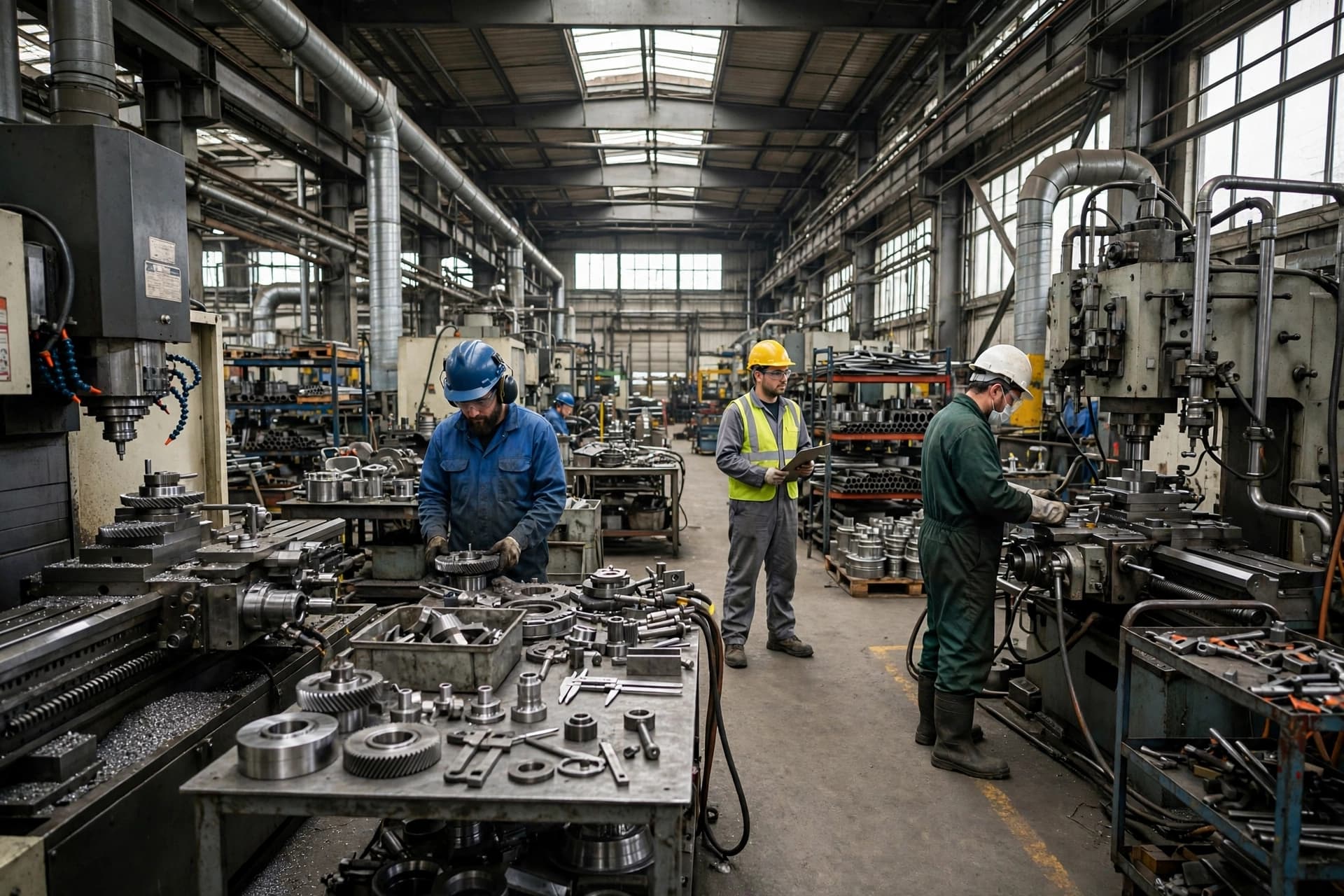
Image Disclaimer The following visuals were created using AI and are conceptual representations of Britain's business and economic environment.
Sources Reuters Office for National Statistics Bank of England Financial Times The Guardian BBC The Confederation of British Industry British Chambers of Commerce
Published by Banx Network. This article is part of the Banx decentralized media programme, powered by the BXE token on the XRP Ledger.