Morning arrives differently in a service economy. The signs of movement are rarely dramatic. They appear in offices opening their doors, customers returning to cafes, appointments filling calendars and businesses quietly taking on another project. Across Britain, August has brought some of those small movements back into view.
The country’s services sector expanded more strongly than expected this month, with the S&P Global Flash UK Services Purchasing Managers’ Index rising to 52.8 from 52.1 in July. The reading was the highest in six months and exceeded economists’ expectations.
Services make up the largest part of Britain’s economy, so even a modest improvement can carry significance. The latest survey suggested that domestic conditions were strengthening, while business optimism also reached a seven-month high. The composite PMI, combining services and manufacturing, rose to 52.5 from 52.2.
The improvement arrives alongside a notable change in consumer sentiment. GfK’s consumer confidence index rose to minus 14 in August from minus 17 in July, reaching its highest level in two years. Confidence surrounding major purchases also reached its strongest point since December 2021.
Those numbers do not describe an economy without difficulties. Inflation remains a concern, and higher global energy prices have begun feeding into business costs again. The services survey showed input and output prices increasing in August after easing during the previous month.
Employment provides another reminder of the uneven nature of the recovery. Services-sector employment continued to decline, although the pace of contraction was slower than in previous months. In other words, businesses were reporting stronger activity without yet translating all of that improvement into additional jobs.
Technology investment has become another part of the picture. Reuters reported that strong investment in technology, particularly around artificial intelligence, has been contributing to Britain's economic performance. The effect is not confined to technology companies themselves; spending on new systems can travel through consultants, infrastructure providers and other parts of the business economy.
Manufacturing, meanwhile, offered a quieter signal. Its PMI slipped to 51.5 in August from 51.9 in July, reaching a five-month low. The contrast between manufacturing and services illustrates how uneven economic activity can be even when the overall picture appears to be improving.
For businesses, the current moment therefore carries a mixture of movement and caution. Orders and confidence are improving in some areas, while costs and employment remain sources of restraint. The economy is moving, but not every part of it is moving at the same pace.
The latest data nevertheless provide a clearer sign of resilience than many recent forecasts had suggested. Britain’s services PMI reached 52.8 in August, while consumer confidence reached a two-year high. Together, the figures indicate that domestic activity has gained some momentum as the country moves toward the end of summer.
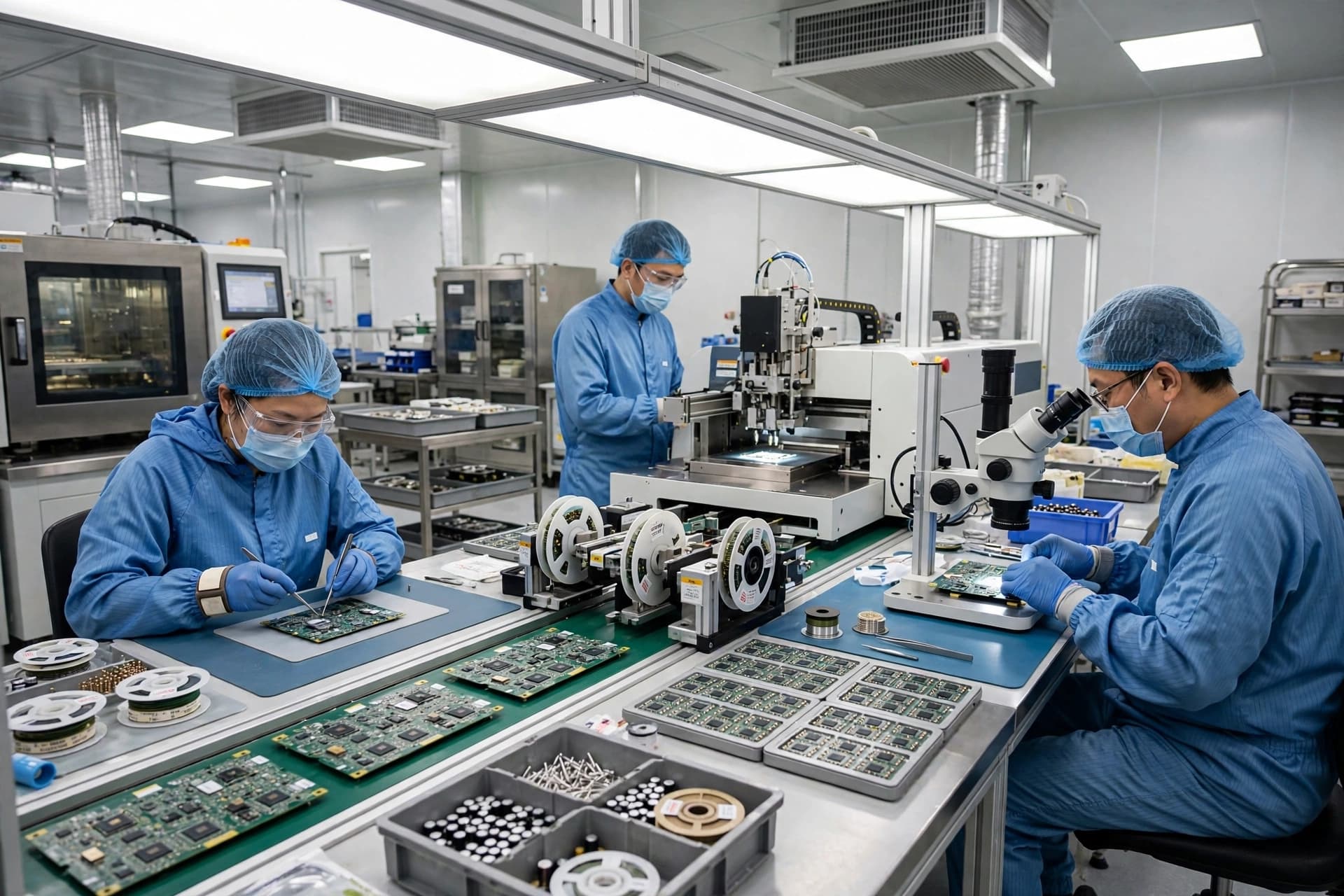
AI Image Disclaimer The accompanying visuals were generated with AI for conceptual illustration and do not represent actual photographs of Britain’s economy.
Sources Reuters S&P Global GfK Financial Times The Times
Published by Banx Network. This article is part of the Banx decentralized media programme, powered by the BXE token on the XRP Ledger.