There are moments in Earth’s deep history that arrive not with a whisper, but with a flash — a sudden brilliance that reshapes landscapes and lingers in silence long after the light has faded. Imagine standing in a place where sand once melted in an instant, where heat rivaled the surface of the sun, and where shockwaves rippled outward across ancient terrain. Time has softened the scars, but the memory remains, embedded in glass.
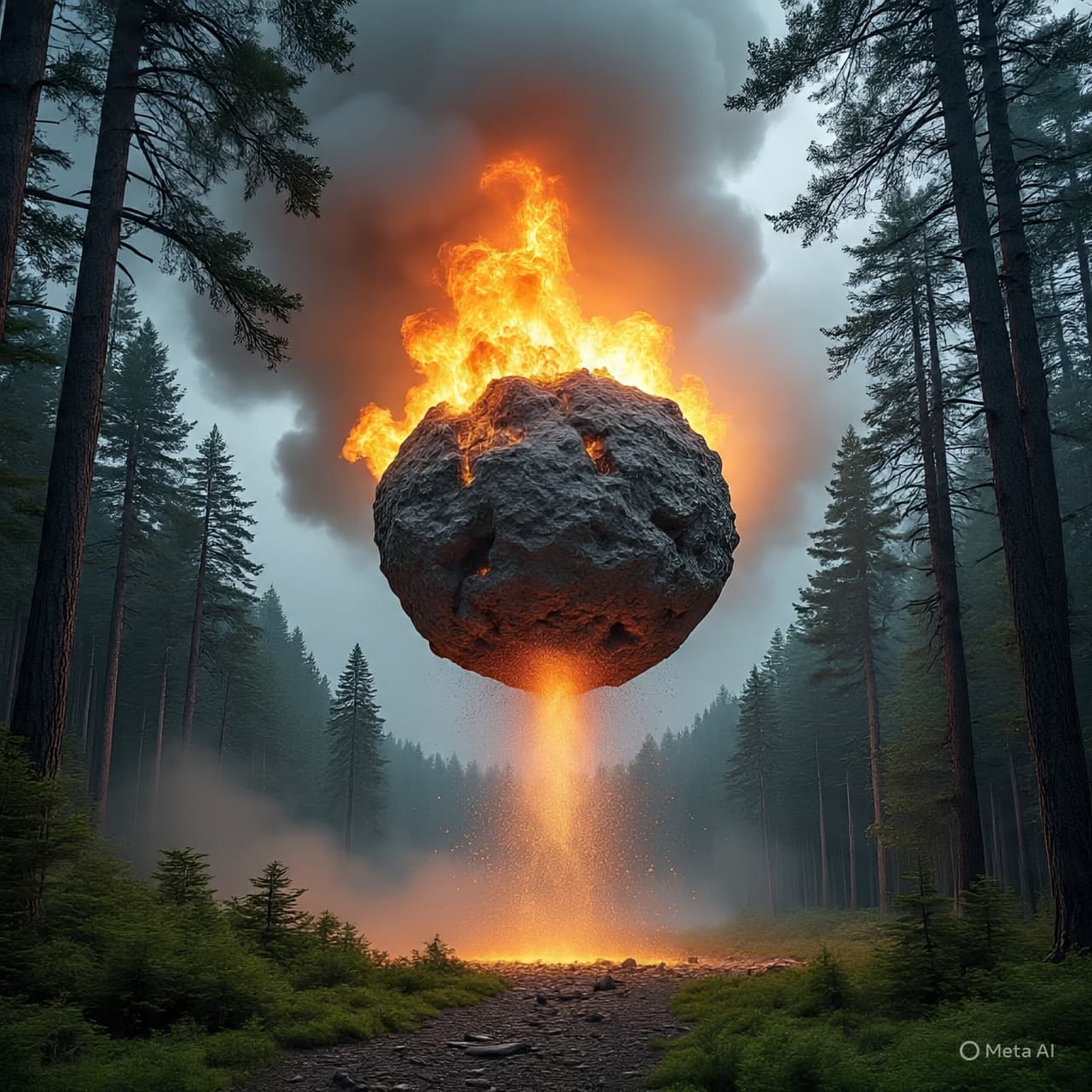
Some 6.3 million years ago, long before human footsteps traced South America’s forests and rivers, a massive asteroid is believed to have struck what is now Brazil. The impact did not merely carve a crater; it transformed the ground itself. Under extraordinary pressure and heat, surface materials liquefied and cooled rapidly, forming vast fields of natural glass known as impactites or tektite-like materials.
Recent research reported in outlets such as Nature and Science describes evidence of a sprawling glass field in Brazil linked to this ancient collision. Fragments scattered across the region suggest a powerful event — one capable of melting silica-rich sediments and ejecting molten droplets that hardened mid-air before falling back to Earth.
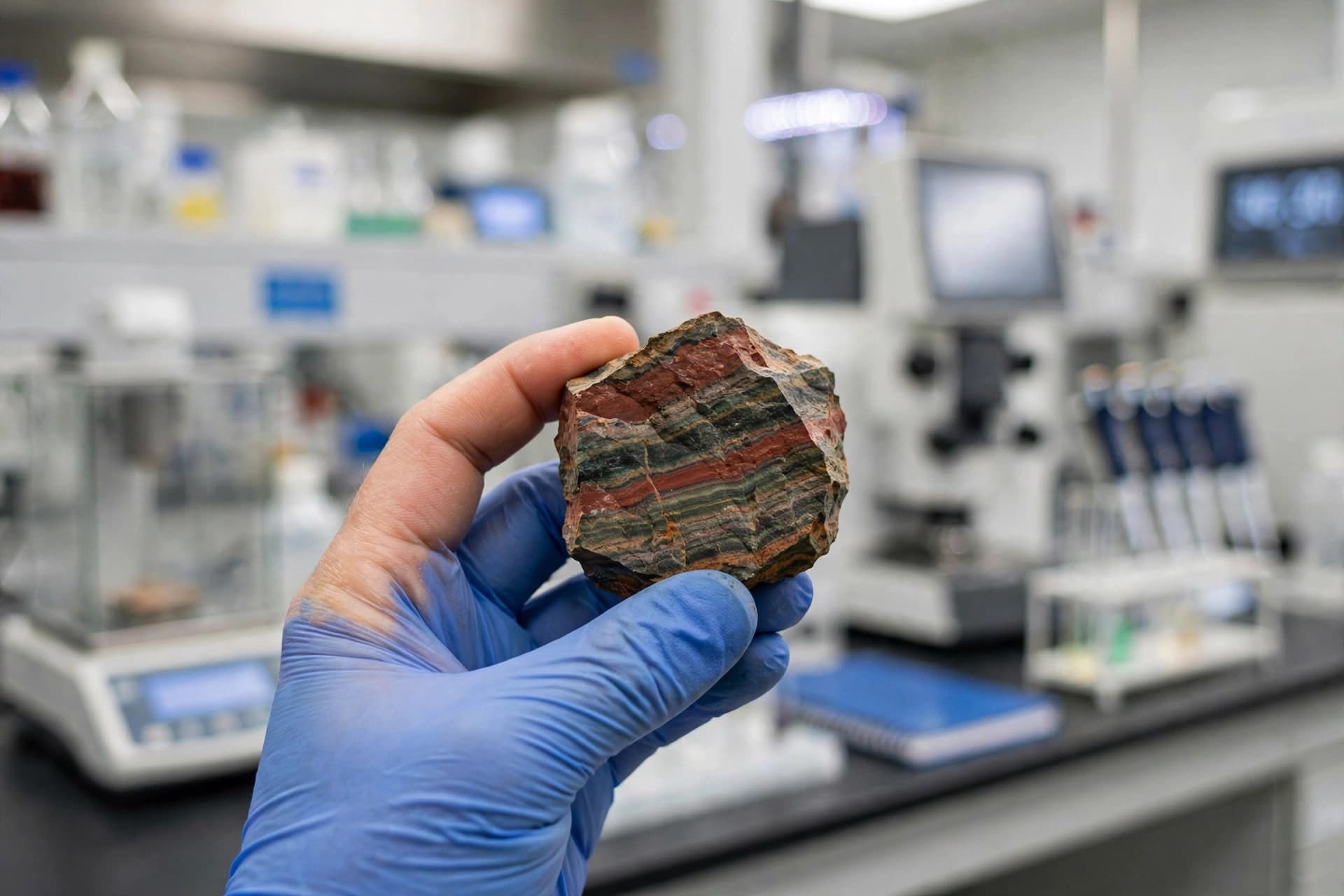
These glass formations, sometimes compared to obsidian in appearance but forged through cosmic violence rather than volcanic calm, offer scientists a crystalline archive of catastrophe. Within their structure are microscopic clues: shocked quartz, high-pressure minerals, and chemical signatures that point unmistakably to an extraterrestrial origin.
Brazil has long held geological mysteries, and this discovery adds a dramatic chapter. The impact site is thought to be associated with the Araguainha crater, one of the largest confirmed impact craters in South America. While Araguainha itself dates much further back in time, the newly analyzed glass field appears tied to a younger, separate impact event — a reminder that Earth’s surface has endured repeated celestial encounters.
The date, approximately 6.3 million years ago, places the event in the late Miocene epoch — an era when ancient mammals roamed evolving landscapes and climates were shifting toward cooler conditions. Though not associated with a known mass extinction, the impact would have been locally devastating. Forests may have ignited. Shockwaves would have fractured rock layers. Dust could have briefly dimmed regional skies.
Yet what remains today is not devastation, but evidence — shimmering remnants of extreme physics at work. When an asteroid strikes, kinetic energy converts almost instantly into heat and pressure. Temperatures can soar beyond several thousand degrees Celsius. Sand becomes liquid. Air compresses. And in mere seconds, ordinary minerals are reconfigured into extraordinary forms.
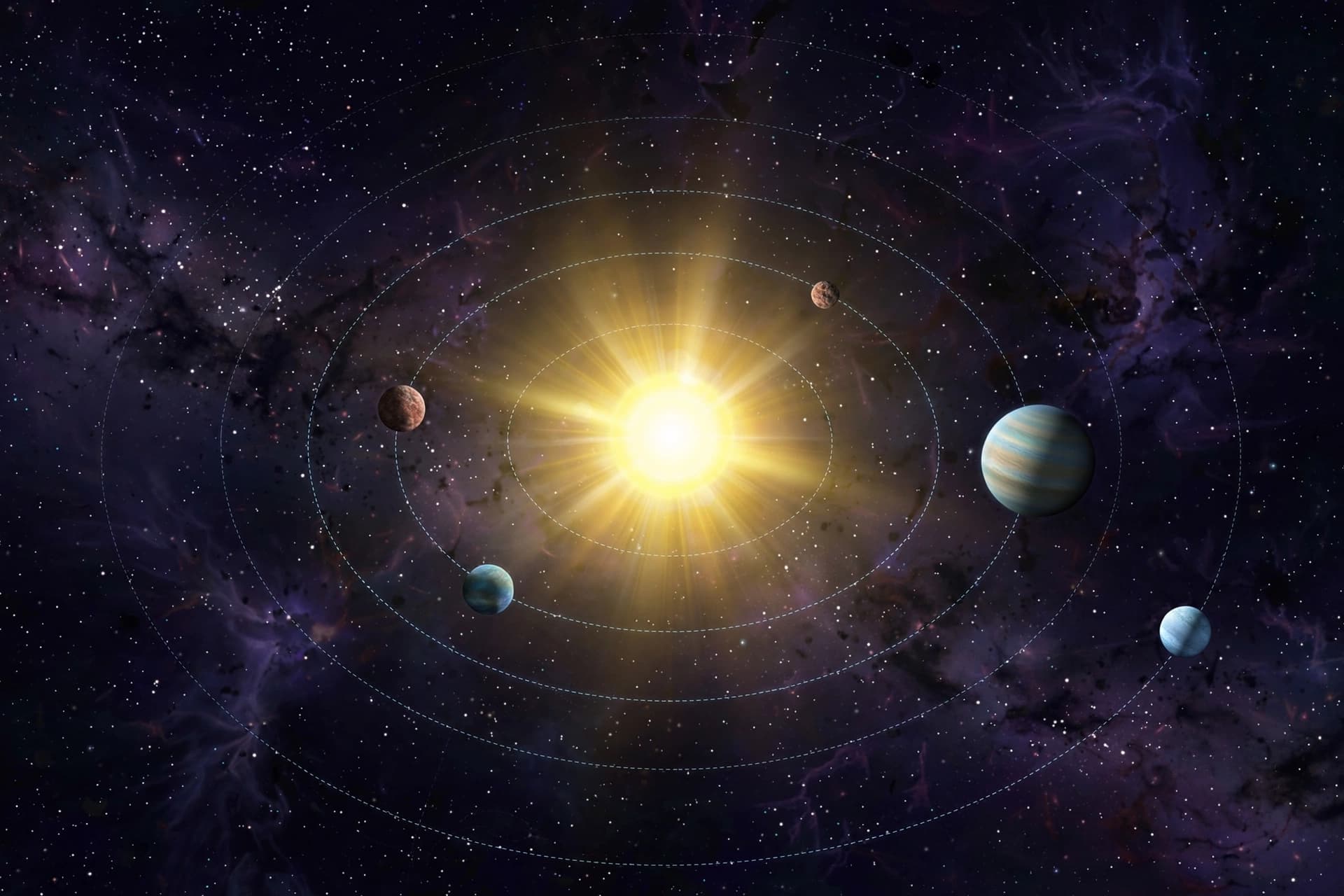
For scientists, such glass fields are more than geological curiosities. They refine our understanding of impact frequency and regional effects. They help calibrate models of how Earth responds to cosmic collisions. And they quietly remind us that our planet exists within a dynamic solar system, not apart from it.
As telescopes track near-Earth objects and space agencies develop planetary defense strategies, ancient impacts gain new relevance. The past becomes preparation. The glass in Brazil, cooled and hardened over millions of years, is both relic and warning — not of imminent danger, but of Earth’s long conversation with space.
Today, researchers continue mapping the extent of the glass field and analyzing samples for further confirmation of its origin and age. Findings suggest the impact was powerful enough to scatter molten material across a vast area, creating one of the largest known glass deposits of its kind in the region.
The forests now stand quietly above it. Rivers flow. Cities rise in the distance. But beneath the soil, beneath roots and rock, lie fragments of a day when the sky itself seemed to fall — and the Earth briefly turned to glass.
AI Image Disclaimer
Images in this article are AI-generated illustrations, meant for concept only.
---
Sources
Nature Science Magazine BBC News National Geographic Smithsonian Magazine
Published by Banx Network. This article is part of the Banx decentralized media programme, powered by the BXE token on the XRP Ledger.