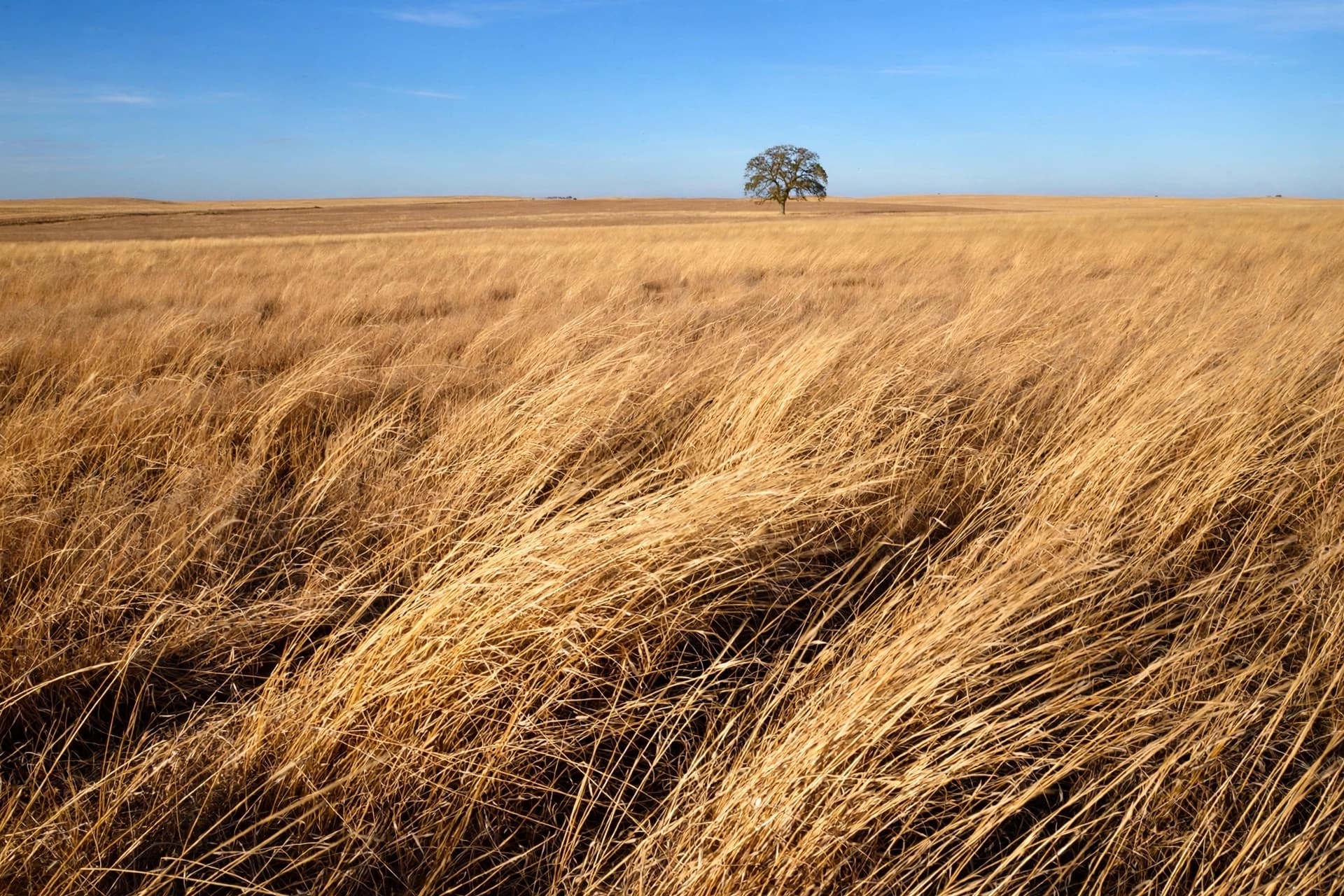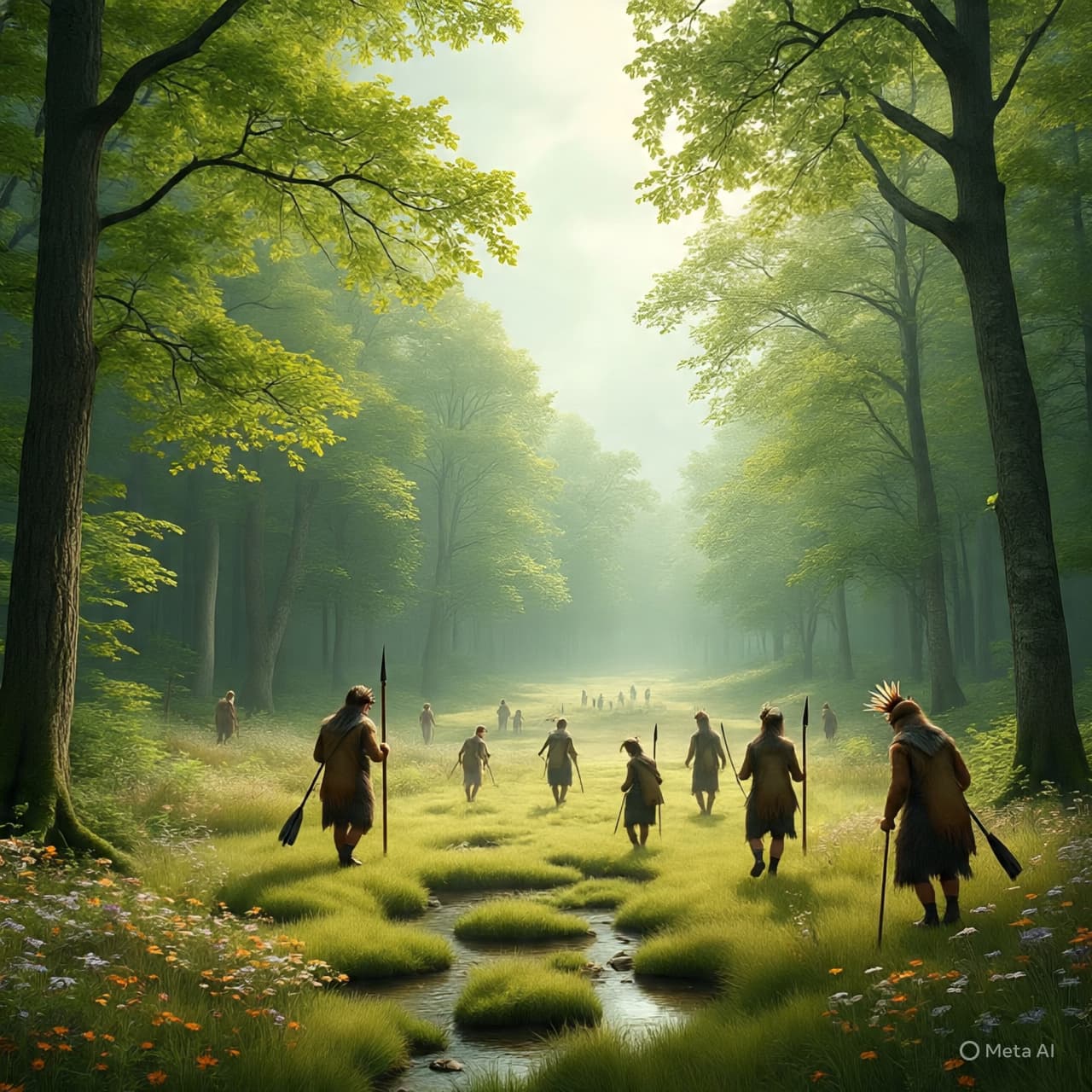
Europe’s forests often greet us with a promise of timelessness. Ancient oaks rise like witnesses to eternity, and open meadows seem to have waited quietly for centuries, untouched and undisturbed. In these places, it is easy to believe that nature stood apart from humanity, developing on its own terms while people arrived much later, as visitors rather than participants. The idea of an “untouched” wilderness has long shaped how Europe imagines its past.
Yet the land, when examined closely, tells a more layered story. Archaeological and environmental evidence increasingly suggests that long before farming villages or written history, Neanderthals and early hunter-gatherers were already shaping Europe’s ecosystems. Through controlled use of fire, selective hunting, and repeated movement across territories, these early humans gently but persistently influenced forests, grasslands, and the animals that inhabited them. The wilderness was not empty; it was lived in.
Rather than dense, closed forests stretching unbroken across the continent, many regions appear to have been mosaics. Open woodlands, grassy clearings, and shrublands emerged alongside thicker forest patches. Fire, often seen as purely destructive, acted as a tool that refreshed vegetation and maintained open spaces attractive to grazing animals. In turn, those animals influenced plant growth, completing a cycle that linked human behavior to ecological change.
This perspective challenges a long-held assumption in conservation thinking: that Europe’s natural state existed without people. Instead, humans were embedded in the landscape, not dominating it, but interacting with it in ways that accumulated over thousands of years. Neanderthals, often imagined as isolated or fleeting, now appear as long-term residents whose choices left subtle but lasting marks.
Importantly, this does not diminish the value of Europe’s remaining wild spaces. Rather, it reframes them. What we call “natural” may be less about absence of humans and more about continuity. The landscapes admired today are not fragile anomalies, but resilient systems shaped through long relationships between people, animals, and climate.
As new research continues to refine this understanding, scientists are careful not to replace one simple story with another. The past was not a garden carefully planned, nor a wilderness untouched. It was something in between, adaptive and responsive, much like the ecosystems of today.
Current findings suggest that Europe’s environments evolved alongside human presence, not in spite of it. This growing body of evidence invites conservationists and the public alike to consider history not as a dividing line between nature and humanity, but as a shared timeline that still informs how landscapes function now.
AI Image Disclaimer Visuals are created with AI tools and are not real photographs.
Sources Nature Science National Geographic Smithsonian Magazine BBC
Published by Banx Network. This article is part of the Banx decentralized media programme, powered by the BXE token on the XRP Ledger.