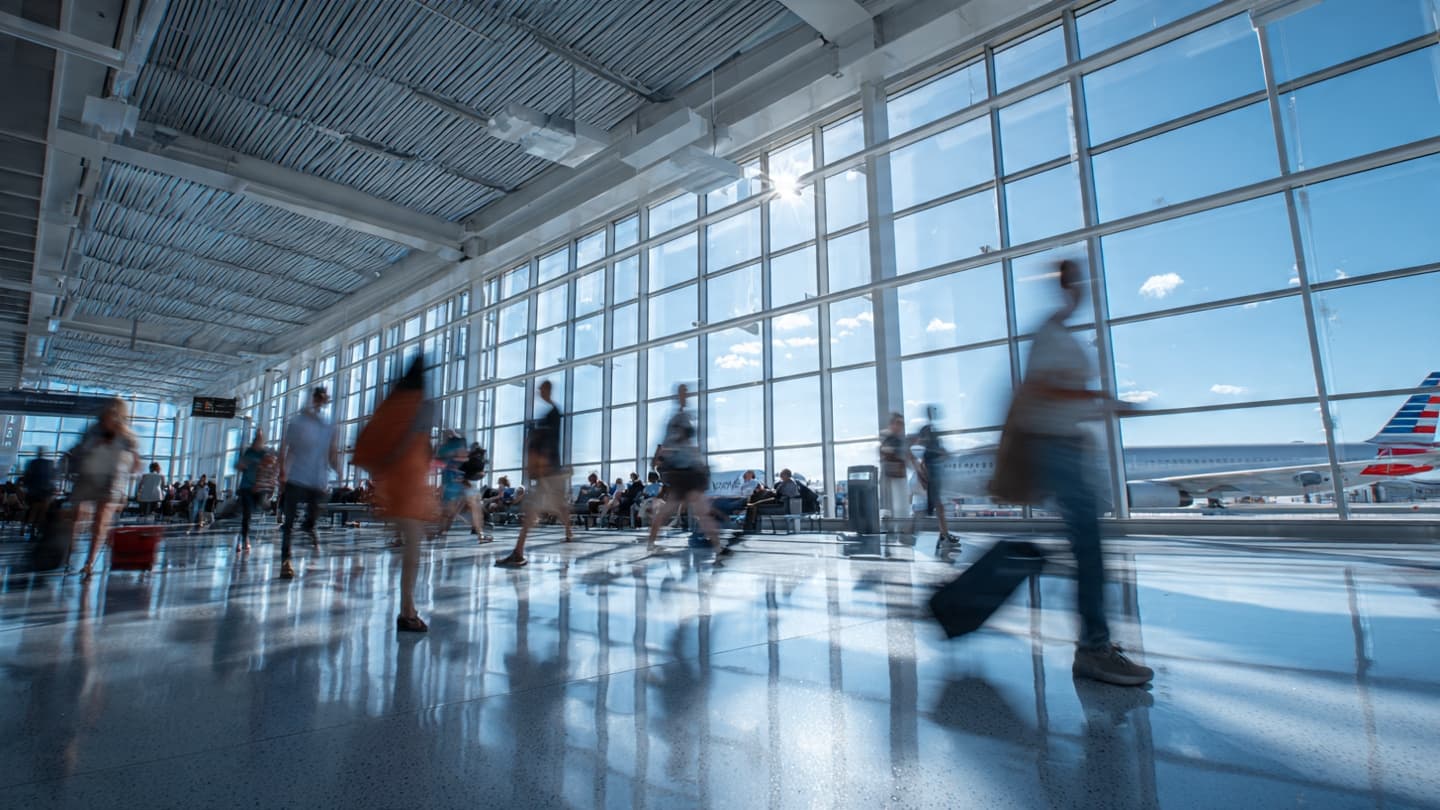
Airports have their own rhythm. Before dawn, lights come on across terminals, luggage begins moving through sorting systems and aircraft gradually fill with passengers heading toward cities many miles away. This summer, that familiar movement continues even as airlines face a more complicated cost environment.
U.S. airlines are navigating higher operating expenses while passenger demand remains relatively resilient. Fuel, labor, aircraft availability and airport infrastructure all contribute to the cost of moving people through an increasingly busy aviation system.
Travel demand has remained an important support for airlines. Consumers continue to prioritize vacations, family visits and business travel, giving carriers a steady flow of passengers even as the wider economy changes.
The pattern is particularly visible at major American hubs. Airports in cities such as Atlanta, Dallas, Chicago and Los Angeles serve as connecting points for domestic and international travelers, creating complex networks in which a disruption at one location can affect flights elsewhere.
Labor costs have become another important factor. Airlines require pilots, flight attendants, mechanics, ground crews and customer-service workers, while shortages in specialized aviation positions can place additional pressure on schedules and wages.
Aircraft supply is also influencing the industry. Airlines have been dealing with delivery delays and maintenance requirements that can limit the number of planes available for service. When capacity is constrained, carriers must carefully manage schedules and routes.
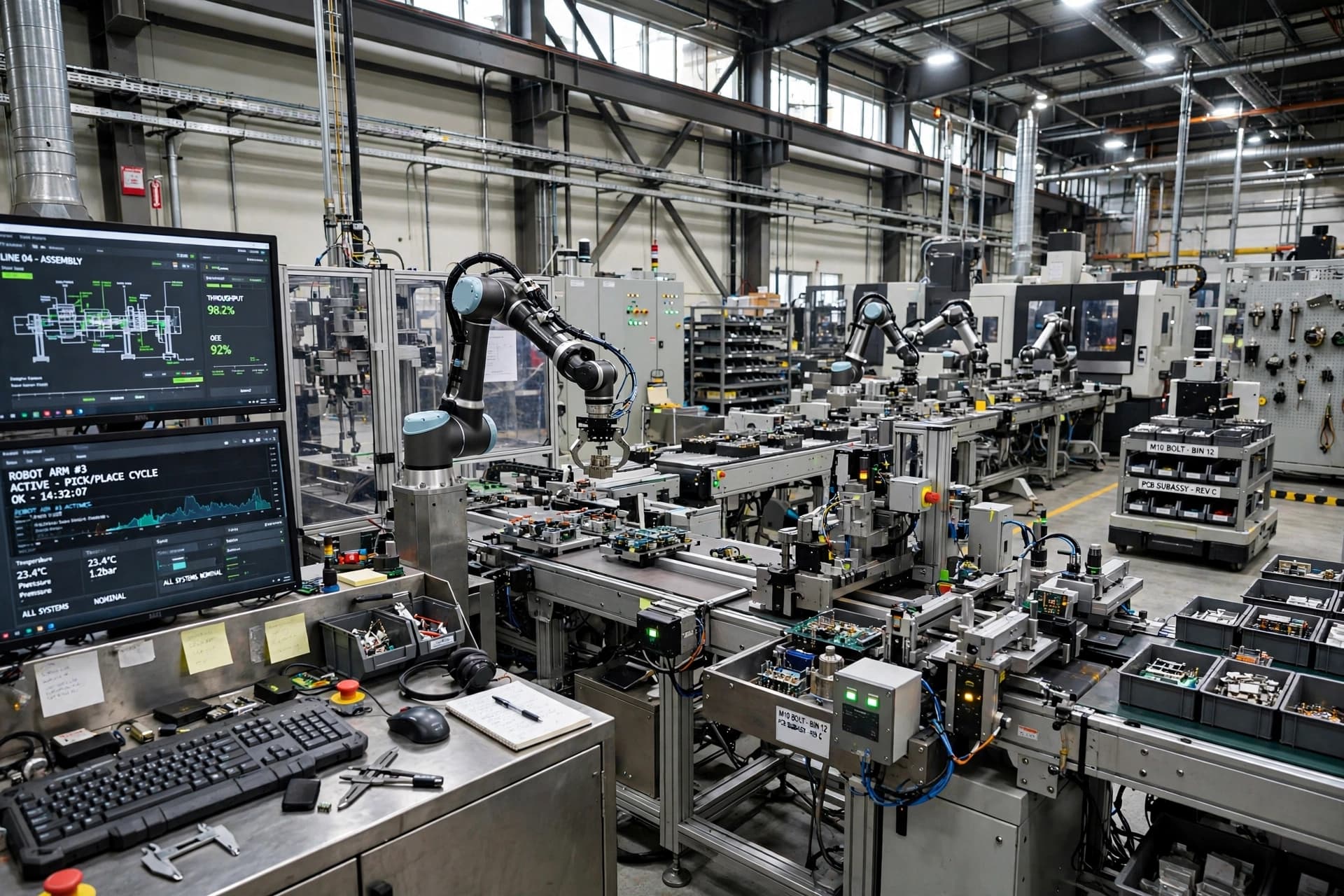
Technology is becoming part of that effort. Airlines are using automated systems for scheduling, baggage tracking, customer communications and maintenance planning, while airports are expanding digital tools to manage increasingly complex passenger flows.
The balance between demand and capacity remains important for ticket prices. When seats are plentiful, airlines may have more difficulty raising fares. When aircraft availability is limited, demand can place greater pressure on available capacity.
For travelers, the experience is ultimately measured in more immediate terms: the price of a ticket, the reliability of a flight and the time spent moving through an airport. Behind those simple experiences is a complicated business involving aircraft, crews, fuel, technology and infrastructure.
America’s aviation industry therefore continues to move through a season of strong travel activity alongside persistent cost and capacity pressures. Airlines are expanding technology and adjusting schedules as they seek to maintain reliable service while responding to changing conditions across the industry.
AI Image Disclaimer These visuals are AI-generated conceptual illustrations and are not photographs of actual airline operations or airports.
Sources Reuters U.S. Bureau of Transportation Statistics Federal Aviation Administration Airlines for America International Air Transport Association
Published by Banx Network. This article is part of the Banx decentralized media programme, powered by the BXE token on the XRP Ledger.