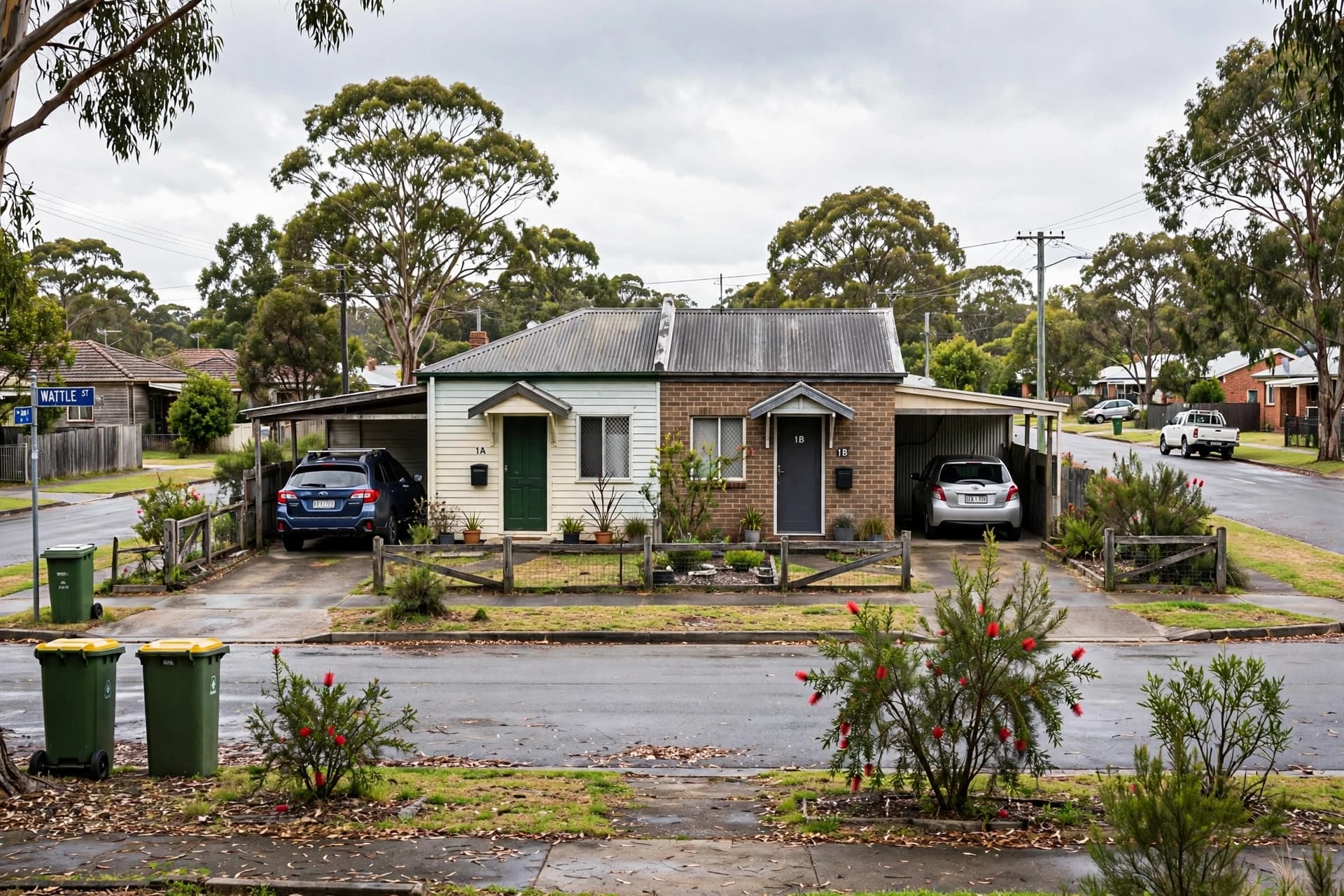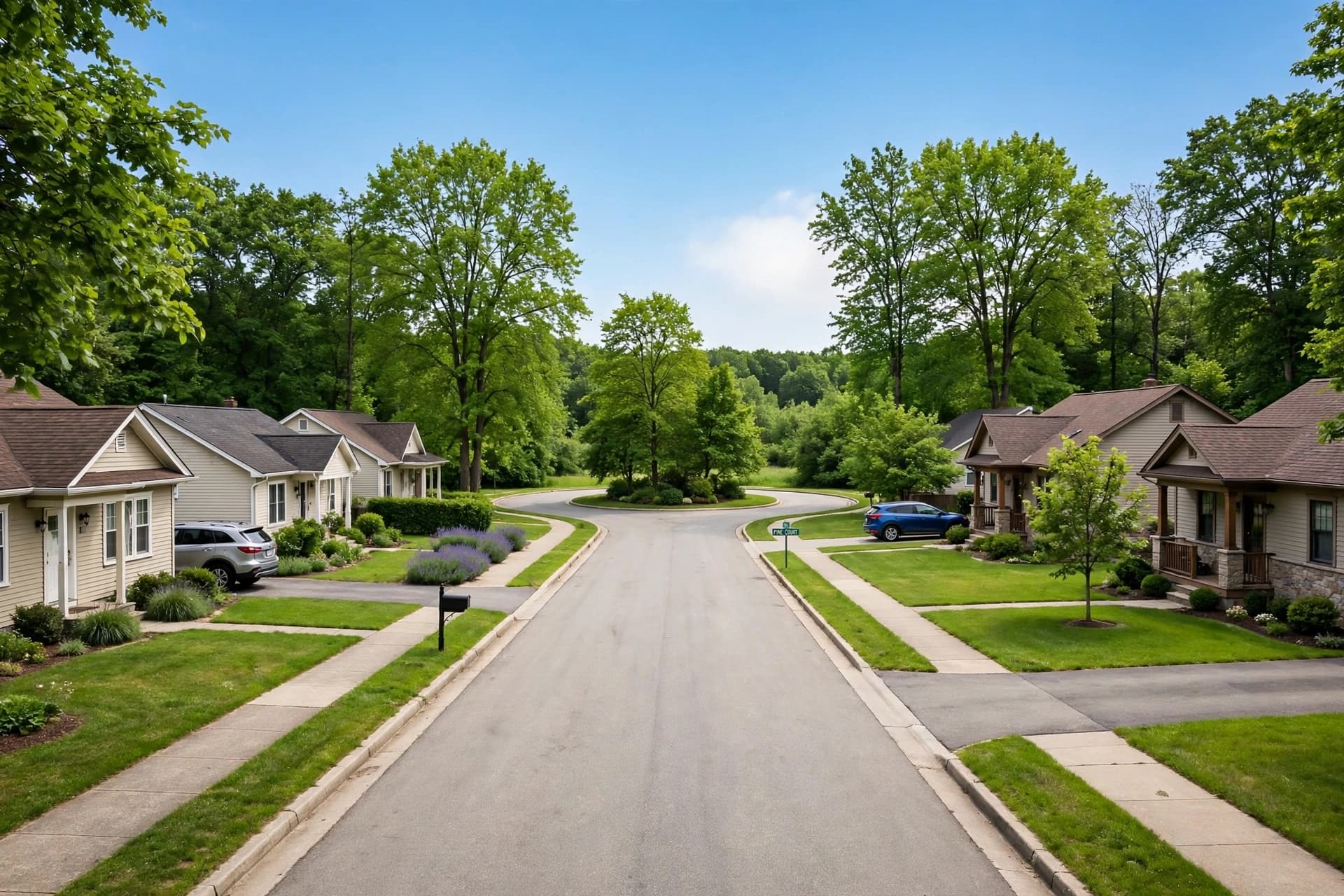
Across American neighborhoods, the housing market can appear deceptively quiet. Houses remain on streets, signs stand in front yards and prospective buyers continue searching online. Yet fewer transactions are taking place as mortgage costs and home prices make the decision to purchase increasingly demanding for many households.
Existing-home sales in the United States fell 1.7 percent in July to a seasonally adjusted annual rate of 4.06 million units, according to data reported by Reuters. It was the second consecutive monthly decline, with higher mortgage rates and elevated home prices continuing to discourage potential buyers.
The median existing-home price nevertheless increased 2 percent from a year earlier to $434,100. That combination — fewer transactions alongside higher prices — illustrates one of the defining features of the current U.S. housing market: demand remains constrained, but the supply of available homes is also relatively tight.
Housing inventory declined 1.9 percent in July to about 1.54 million units. When fewer properties are available, sellers can retain some pricing power even when buyers become more cautious. The result is a market in which affordability remains difficult despite slower sales.
Mortgage rates are central to the equation. A higher borrowing rate can significantly change the monthly payment on a home, particularly for first-time buyers who may already be saving for a down payment. Even a relatively small movement in rates can influence whether a household decides to purchase now or wait.
For existing homeowners, the calculation can be different. Some households that secured very low mortgage rates in previous years have little financial incentive to sell and take on a new loan at a higher rate. That dynamic can reduce the number of homes entering the market and contribute to limited inventory.
The situation varies across the country. Housing markets differ considerably between metropolitan areas, and local employment, construction activity, population growth and supply conditions can all influence prices. A national figure therefore provides a broad picture rather than describing every community.
For builders, the environment creates both challenges and opportunities. Limited existing-home supply can support demand for newly constructed properties, but construction costs and financing expenses remain important. Developers must balance the need for additional housing against the affordability limits facing potential buyers.
The housing market also influences the broader economy. Home purchases generate activity for mortgage lenders, real-estate agents, construction companies, furniture retailers and other businesses. When transactions slow, the effects can gradually reach those connected industries.
At the same time, a more cautious housing market can reflect households responding rationally to financial conditions. Buyers may wait for lower borrowing costs, while sellers may delay moving because of the expense of replacing an existing mortgage. The result is a market characterized by patience as much as urgency.
There was one brighter signal within the broader housing data: U.S. small-business sentiment reached an 11-month high in July, while hiring plans improved, according to the same Reuters report. That suggests some parts of the economy remain resilient even as housing activity slows.
For now, America's housing market remains caught between two forces. Buyers face high prices and borrowing costs, while limited inventory continues to support values. Until either financing becomes more affordable or housing supply expands meaningfully, the market may continue moving at a slower and more cautious pace.
Image Disclaimer These illustrations were produced with AI and are intended to visually represent general U.S. housing-market conditions rather than actual properties or transactions.
Sources Reuters National Association of Realtors U.S. Census Bureau Federal Reserve Freddie Mac Associated Press The Wall Street Journal
Published by Banx Network. This article is part of the Banx decentralized media programme, powered by the BXE token on the XRP Ledger.