Diplomatic calendars often move quietly, yet every visit between world leaders carries signals that extend beyond ceremonial meetings. In the shifting balance of global politics, the arrival or departure of a single president can subtly reshape conversations about alliances, influence, and strategic priorities. Shortly after Donald Trump concluded his visit abroad, Beijing announced that Russian President Vladimir Putin was expected to visit China, drawing renewed attention to the evolving relationship between the two powers.
Chinese officials confirmed that President Putin would visit China in the near future, a statement that quickly attracted international interest amid ongoing geopolitical tensions involving Russia, the United States, and Western allies. The announcement emerged during a period marked by heightened diplomatic activity among major global powers.
China and Russia have continued strengthening political and economic cooperation in recent years, particularly in areas involving energy trade, strategic coordination, and regional security discussions. While both countries maintain distinct national interests, their diplomatic relationship has increasingly been viewed as an important counterbalance within broader international dynamics.
Observers noted that the timing of Beijing’s announcement carried symbolic significance. Diplomatic scheduling, especially among influential nations, is often interpreted not only through formal agendas but also through the broader political atmosphere surrounding international events and state visits.
The relationship between Beijing and Moscow has remained closely watched since the outbreak of the Russia-Ukraine war. China has repeatedly positioned itself as advocating dialogue and stability while maintaining economic and diplomatic engagement with Russia despite criticism from several Western governments.
At the same time, analysts suggest that China continues balancing multiple priorities in its foreign policy approach. Beijing seeks to preserve economic partnerships with global markets while also maintaining strategic ties with nations challenging Western influence in international affairs.
Diplomatic visits between major powers frequently serve several purposes simultaneously. Beyond public ceremonies, they often involve negotiations related to trade, defense cooperation, regional security, and long-term geopolitical positioning.
Chinese authorities have not yet released the full schedule for President Putin’s expected visit. International observers continue monitoring how upcoming diplomatic engagements may influence broader global relations in the months ahead.
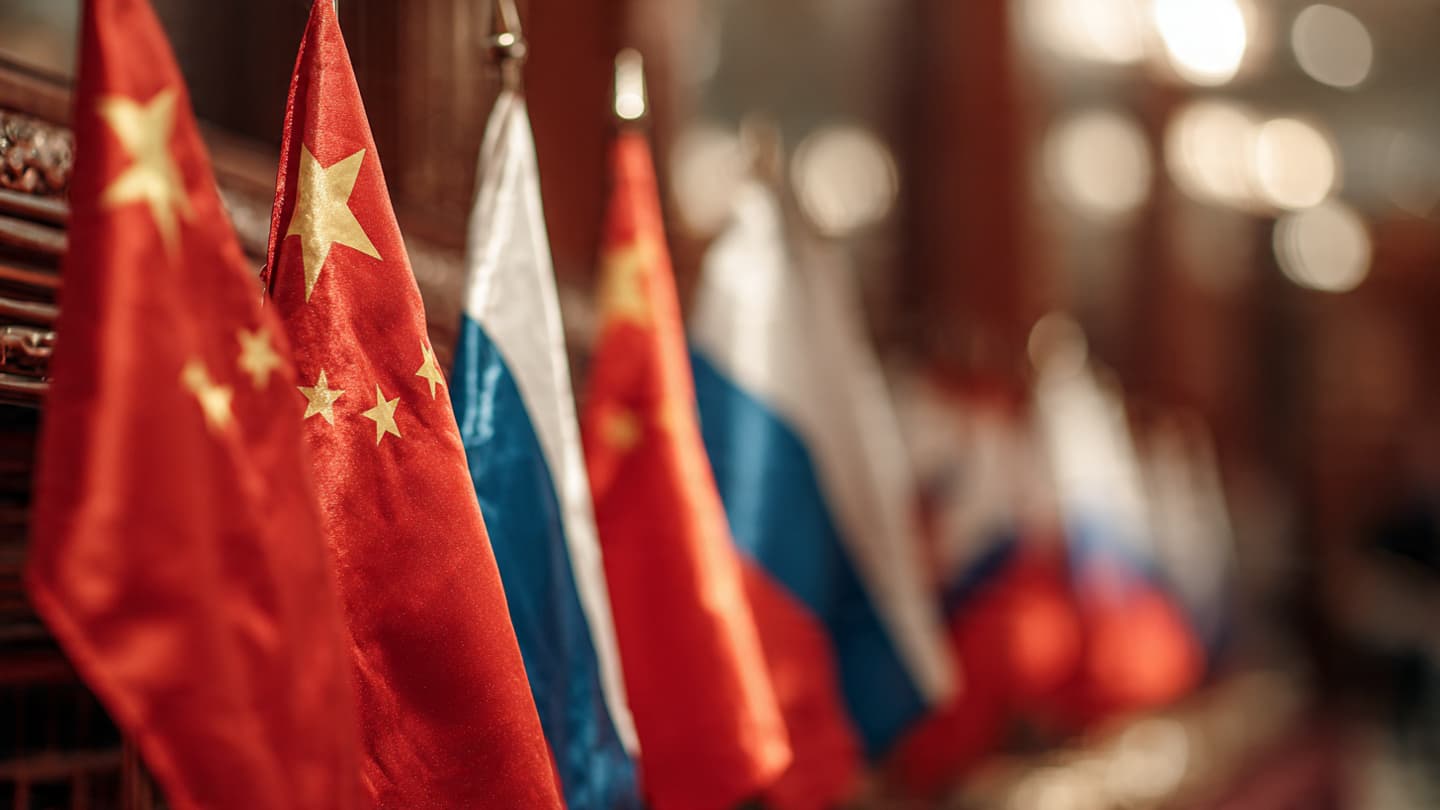
Some visuals presented alongside this article were generated using AI-based illustration technology.
Sources Verification Check: Reuters, Kompas, Associated Press, Bloomberg
Published by Banx Network. This article is part of the Banx decentralized media programme, powered by the BXE token on the XRP Ledger.