Hospitals are places where time moves differently. Days are measured not by calendars, but by recovery, waiting, and quiet endurance. In the Philippines, the decision to cross a hospital threshold often reflects more than medical need—it speaks to trust in a system, confidence in protection, and the hope that care will not become a financial burden. Within this delicate space, social health insurance quietly shapes who enters, how long they stay, and what kind of care they receive.
Evidence drawn from social health insurance claims data offers a revealing lens into the country’s use of inpatient care. These records, compiled through PhilHealth, do not tell personal stories outright, yet they trace patterns that echo lived experiences. They show when hospital care becomes accessible, where it remains uneven, and how insurance coverage influences the use of inpatient services across regions and populations.
The data indicate that enrollment in social health insurance is closely associated with higher utilization of inpatient care. For many Filipinos, coverage reduces the hesitation that once delayed hospital admission. Conditions that might have been endured at home now receive formal medical attention, suggesting that insurance plays a meaningful role in lowering financial barriers to care.
Yet access alone does not ensure equality. Claims data reveal notable differences in inpatient utilization depending on geography, hospital classification, and socioeconomic status. Urban areas and higher-level hospitals tend to report greater use, while rural and remote communities remain more constrained. These patterns reflect longstanding disparities in infrastructure, workforce distribution, and local health capacity.
Cost patterns further complicate the picture. While insurance coverage supports hospital use, it is also linked to variations in treatment intensity and expenditure. In some cases, insured patients incur higher average costs, raising questions about efficiency, provider behavior, and the balance between necessary care and system sustainability. Such findings invite careful interpretation rather than judgment, reminding policymakers that utilization data must be read with nuance.
Beyond numbers, the claims data highlight the central role of hospitals within the broader pursuit of universal health coverage. Inpatient care often represents the most critical—and most expensive—point of contact with the health system. When insurance works well, it cushions families during moments of vulnerability. When gaps persist, those same moments can deepen inequality.
As health authorities continue to refine financing and service delivery, the value of claims data becomes increasingly clear. Used wisely, it can guide improvements in benefit design, hospital performance, and equitable access. Used cautiously, it can help ensure that expanding utilization does not come at the expense of quality or fairness.
inpatient care utilization is not merely a measure of hospital activity. It is a reflection of how a nation cares for its people when they are most in need. The challenge ahead lies in transforming evidence into action—so that hospital doors remain open not only in theory, but in practice, for all who depend on them.
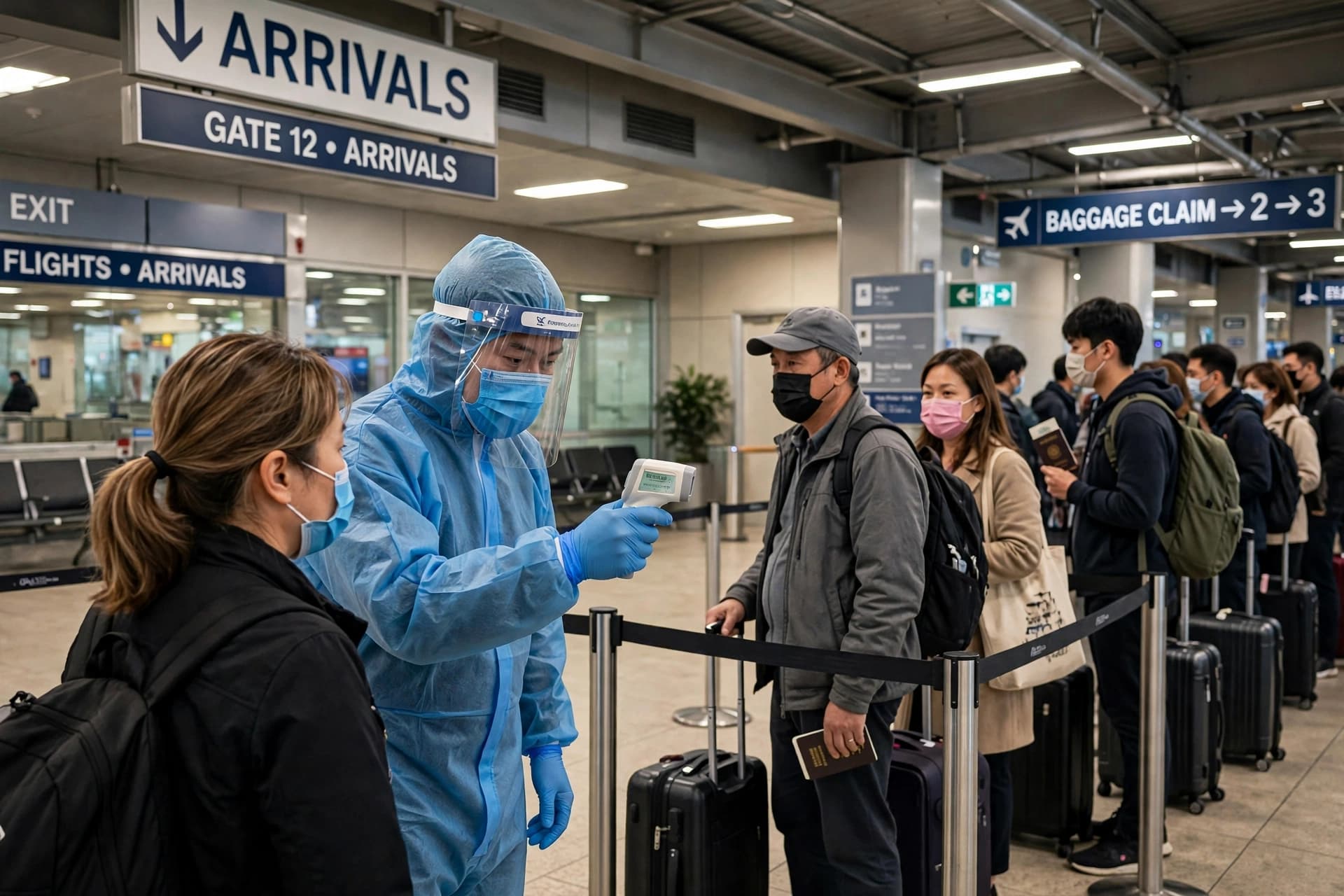
AI IMAGE DISCLAIMER Images in this article are AI-generated illustrations intended for conceptual representation only.
SOURCES Philippine Institute for Development Studies PhilHealth (Philippine Health Insurance Corporation) World Health Organization Asian Development Bank Peer-reviewed public health and health economics journals
Published by Banx Network. This article is part of the Banx decentralized media programme, powered by the BXE token on the XRP Ledger.