
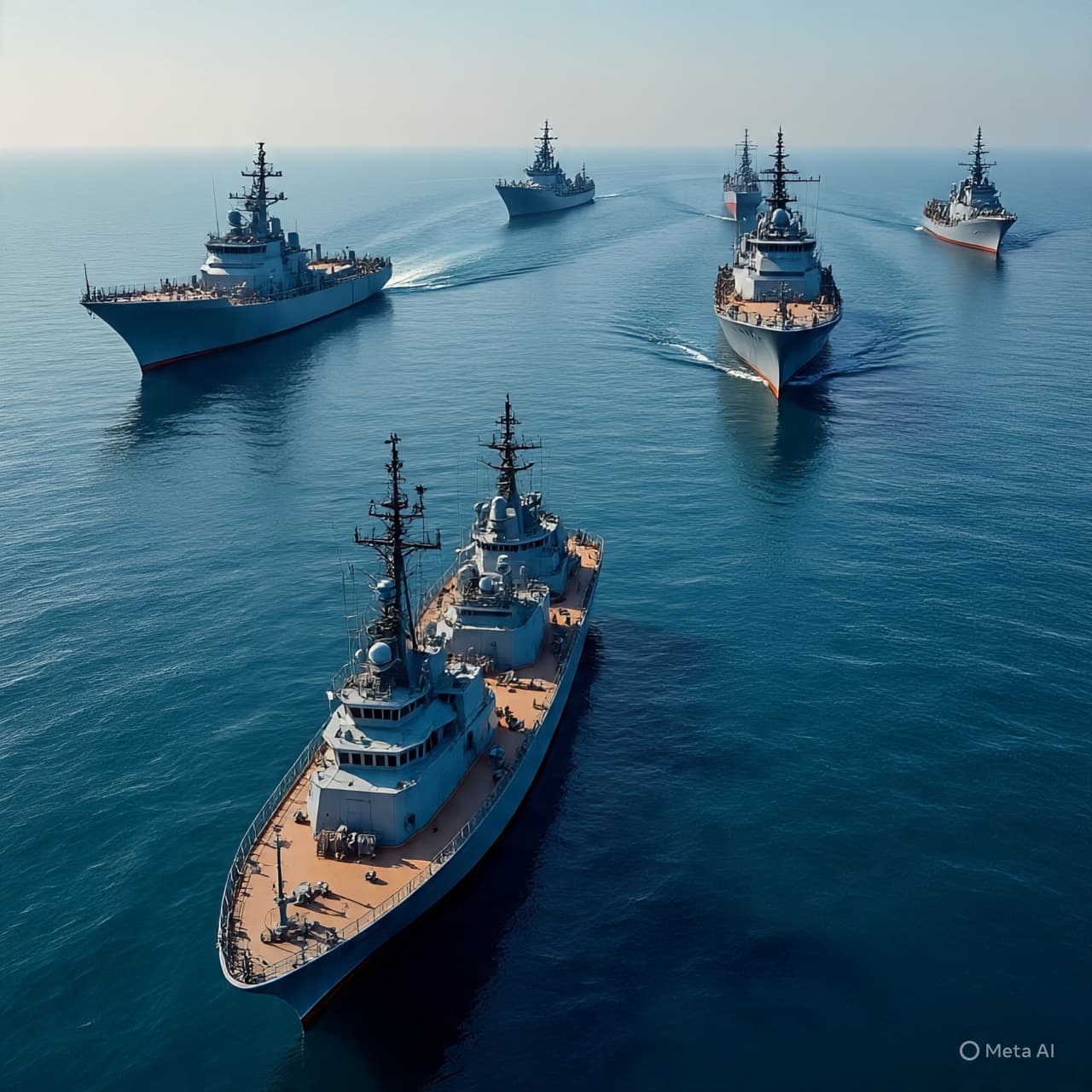
For decades, Japan’s postwar identity rested on restraint. Its constitution spoke softly of peace, its military carefully framed as defensive, its budgets modest by global standards. Yet history rarely waits for comfort. This year, Tokyo signaled a decisive shift—not with rhetoric, but with numbers.
Japan’s cabinet has approved its largest-ever defense budget, a move that quietly redraws the country’s strategic posture in an increasingly unsettled region. The scale alone is symbolic: defense spending now approaches levels once considered politically unthinkable, reflecting a government that no longer views restraint as sufficient protection.
The decision arrives amid growing anxiety over regional security. Tensions in the Taiwan Strait, expanding military activity across East Asia, and rapid advancements in missile and drone technologies have altered Japan’s threat perception. What was once theoretical has become proximate. In response, Tokyo is investing heavily in long-range strike capabilities, missile defense systems, unmanned platforms, and next-generation fighter development.
This shift is not framed as aggression, but as deterrence. Japanese officials describe the budget as a necessary adjustment to a harsher strategic environment—one where geography no longer guarantees safety and alliances require credible capabilities to remain meaningful. The emphasis is less on projecting power than on preventing miscalculation.
Yet the transformation is not without consequence. Expanding defense spending challenges long-held fiscal constraints and revives domestic debates about Japan’s pacifist identity. Critics warn of escalating regional arms competition, while supporters argue that deterrence, once neglected, has become the price of stability.
What makes this moment significant is not just the size of the budget, but its symbolism. Japan is signaling that it no longer sees security as a static inheritance from the postwar order, but as an evolving responsibility. The era of strategic minimalism is quietly giving way to one of calculated preparedness.
In that shift lies a broader message to the region: Japan intends to remain a stabilizing force, but no longer a passive one.
Published by Banx Network. This article is part of the Banx decentralized media programme, powered by the BXE token on the XRP Ledger.


