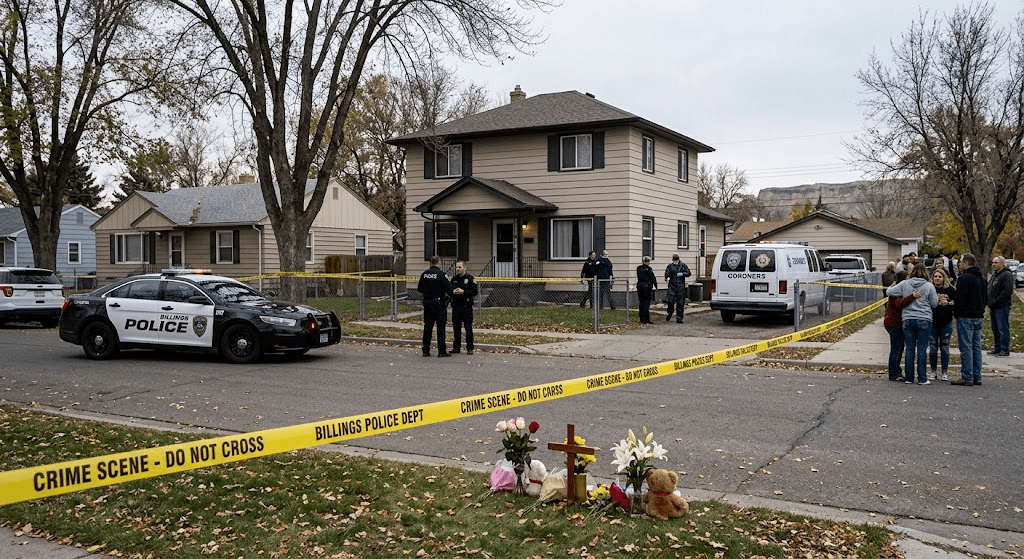
In the small hours of a night that should have dissolved into ordinary silence, violence entered a home where familiarity once lived. Walls that had known birthdays and arguments, routines and reconciliations, became witnesses instead. By morning, a life had ended — not in accident, but in fury.
A drug dealer has been convicted after stamping a mother to death while under the influence of cannabis, a court heard. The attack, described by prosecutors as sustained and brutal, left the woman with catastrophic injuries from which she could not recover. Emergency services were called, but she was pronounced dead at the scene.
During trial proceedings, jurors were told that the defendant had been heavily intoxicated at the time of the assault. While cannabis is often publicly framed as a softer drug, the court heard evidence that in this case it contributed to paranoia, agitation, and a loss of inhibition. Witness testimony and forensic findings detailed how the victim was repeatedly stamped on, causing fatal trauma.
Prosecutors argued that the violence unfolded inside a domestic setting, intensifying its gravity. The victim, a mother whose family described her as devoted and protective, had not anticipated the escalation that would follow an argument. What began as confrontation became something irretrievable.
The defense acknowledged cannabis use but contested elements of intent. Ultimately, the jury found the defendant guilty of murder. In sentencing remarks, the judge described the attack as ferocious and sustained, emphasizing that voluntary intoxication does not excuse extreme violence. A life sentence was imposed, with a minimum term set before eligibility for parole.
The case has reignited discussion about the intersection of drug use and violent crime. Experts note that while cannabis does not commonly produce lethal aggression, high-potency strains and underlying mental health vulnerabilities can, in rare instances, exacerbate psychosis or extreme behavioral shifts. Courts, however, consistently draw a firm line: intoxication does not diminish responsibility for actions taken.
For the family left behind, legal outcomes offer structure but not restoration. In victim impact statements, relatives spoke of absence in daily rituals — phone calls unanswered, birthdays unmarked, the quiet spaces that follow laughter. They described a woman who held her family together, now remembered in photographs and stories rather than presence.
Domestic homicides often carry a particular weight in public consciousness. They occur not in shadowed alleyways but in kitchens and living rooms — places designed for safety. The betrayal of that expectation lingers long after headlines fade.
As the defendant begins a sentence measured in decades, the house where the killing occurred stands altered by what happened inside it. Courtrooms close, transcripts are filed, and justice proceeds in formal cadence. Yet beyond the legal record remains something less measurable: the fracture of trust, the echo of raised voices, the knowledge that one night’s violence redrew the outline of many lives.
In the end, the judgment affirms accountability. But remembrance belongs to those who loved her — and to a community reminded that harm can erupt where comfort once resided, and that responsibility does not blur under the haze of intoxication.
AI Image Disclaimer Images are digitally generated for illustrative purposes.
Sources BBC News The Guardian Sky News Crown Prosecution Service
Published by Banx Network. This article is part of the Banx decentralized media programme, powered by the BXE token on the XRP Ledger.