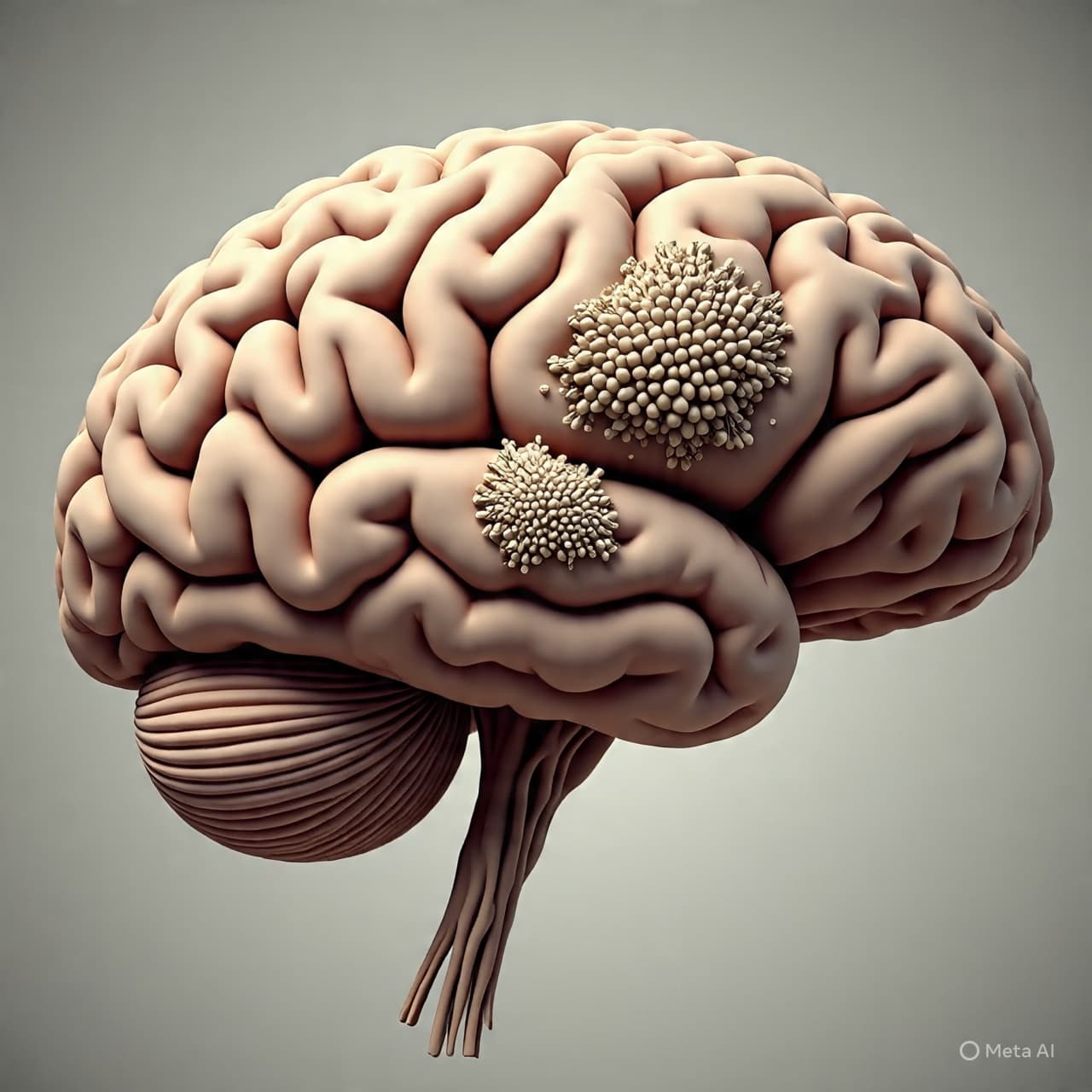
There are moments in medicine when the future does not arrive as something entirely new, but as something rediscovered. A familiar medicine, long resting on pharmacy shelves, may quietly hold another purpose—like an old key that fits a door only recently noticed. In the long and uncertain search for answers to Alzheimer’s disease, even modest possibilities carry weight.
New research suggests that an existing epilepsy drug may help prevent the formation of toxic Alzheimer’s-related proteins before they accumulate into plaques in the brain. The study does not promise reversal of disease, nor does it claim immediate clinical change. Instead, it explores whether early molecular intervention—before visible damage appears—could alter the course of neurodegeneration.
Alzheimer’s disease is marked by the buildup of amyloid-beta proteins that cluster into plaques between nerve cells, disrupting communication and contributing to cognitive decline. For years, treatments have largely focused on reducing these plaques after they form. Yet growing evidence suggests that the most harmful processes may begin earlier, when smaller, soluble protein clusters—often described as toxic oligomers—start interfering with brain function.
Researchers investigating the epilepsy medication found that it appears to reduce the production or accumulation of these early toxic protein forms in laboratory and animal models. By acting upstream—before plaques consolidate—the drug may interrupt the chain of events that leads to neuronal damage.
The medication in question has been widely prescribed for seizure control, meaning its safety profile is already well documented. This raises cautious optimism among scientists, as drug repurposing can shorten the pathway from laboratory research to clinical trials. Still, researchers emphasize that results observed in preclinical models do not always translate directly to human outcomes.
The approach reflects a subtle shift in Alzheimer’s research. Rather than focusing solely on removing visible plaques, scientists are increasingly exploring the earliest biological triggers. The idea is simple in principle yet complex in execution: if the toxic proteins can be prevented from forming or accumulating, perhaps downstream damage can be minimized.
Laboratory findings suggest the drug influences neuronal activity patterns associated with amyloid production. By modulating electrical signaling in the brain—originally its intended purpose in epilepsy—the medication may indirectly reduce processes linked to toxic protein buildup. This intersection between neurology and molecular biology underscores how interconnected brain systems truly are.
Global health experts note that Alzheimer’s disease remains one of the most pressing neurological challenges, with cases expected to rise as populations age. Despite significant investment in research, effective disease-modifying treatments remain limited. In this context, repurposing established drugs represents a pragmatic and potentially efficient strategy.
Yet caution remains essential. The study’s authors stress that controlled human trials are necessary to determine whether the drug can meaningfully delay or prevent Alzheimer’s progression. Dosage, timing, and long-term effects must all be carefully evaluated. What appears promising in controlled experimental settings must withstand the complexity of real-world biology.
The broader scientific landscape reflects both persistence and humility. Alzheimer’s disease has resisted simple solutions, and each discovery tends to illuminate both new possibilities and new questions. Whether this epilepsy medication ultimately becomes part of preventive therapy remains uncertain, but its investigation broadens the field’s understanding of early intervention.
If future trials confirm these findings, clinicians may one day consider earlier therapeutic strategies aimed not at removing plaques, but at preventing their formation. Such a shift would mark a significant reframing of treatment philosophy—from reaction to anticipation.
For now, researchers continue to analyze data and prepare for further studies. Established Alzheimer’s management strategies, including cognitive care, lifestyle adjustments, and emerging approved therapies, remain central to patient care. The epilepsy drug’s potential role, while intriguing, awaits the careful scrutiny of clinical evaluation.
In the quiet progress of neuroscience, sometimes the most meaningful steps are those that revisit what we already know, asking whether familiar tools might serve new purposes.
AI IMAGE DISCLAIMER Illustrations were produced with AI and serve as conceptual depictions.
SOURCES Reuters BBC The Guardian CNN Nature News
Published by Banx Network. This article is part of the Banx decentralized media programme, powered by the BXE token on the XRP Ledger.